sacaste
“sacaste” means “you took out” in Spanish. It has 3 different meanings depending on context:
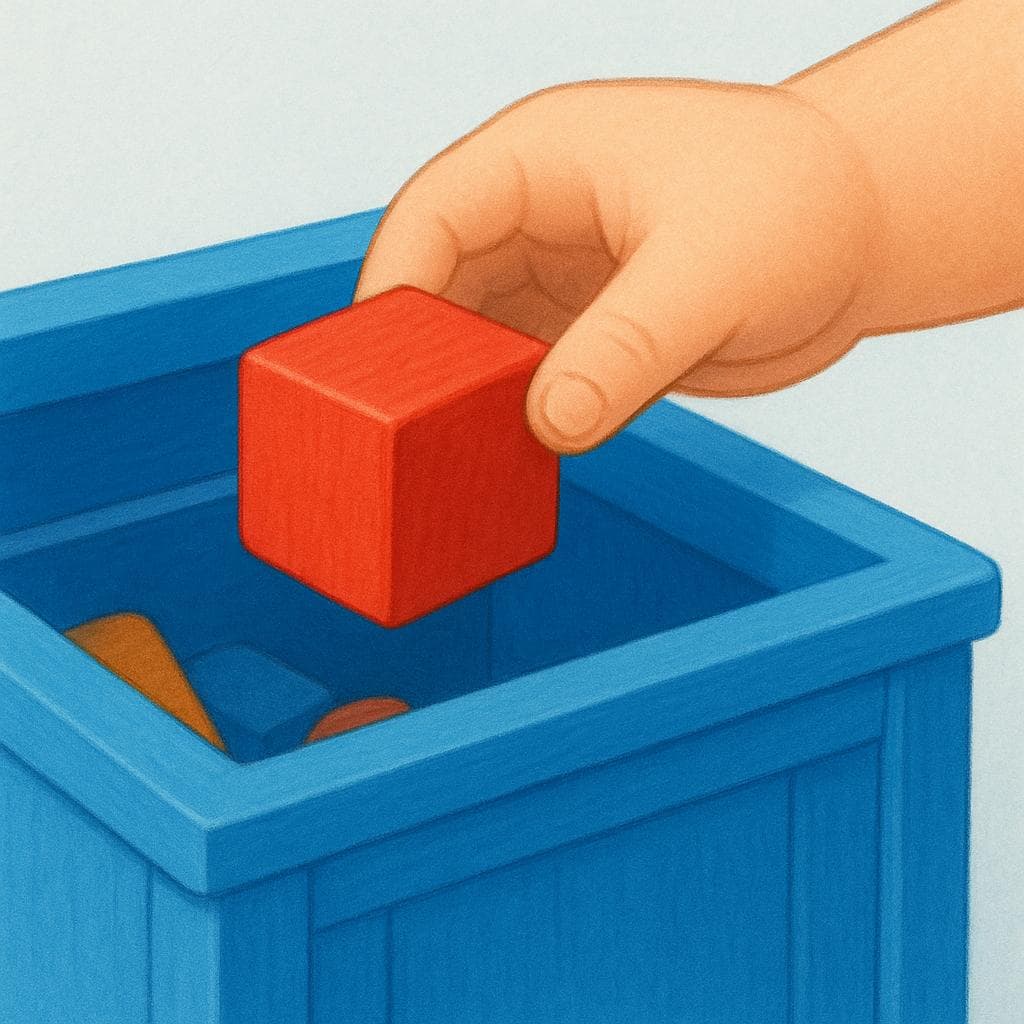


you took out, you removed
Also: you pulled out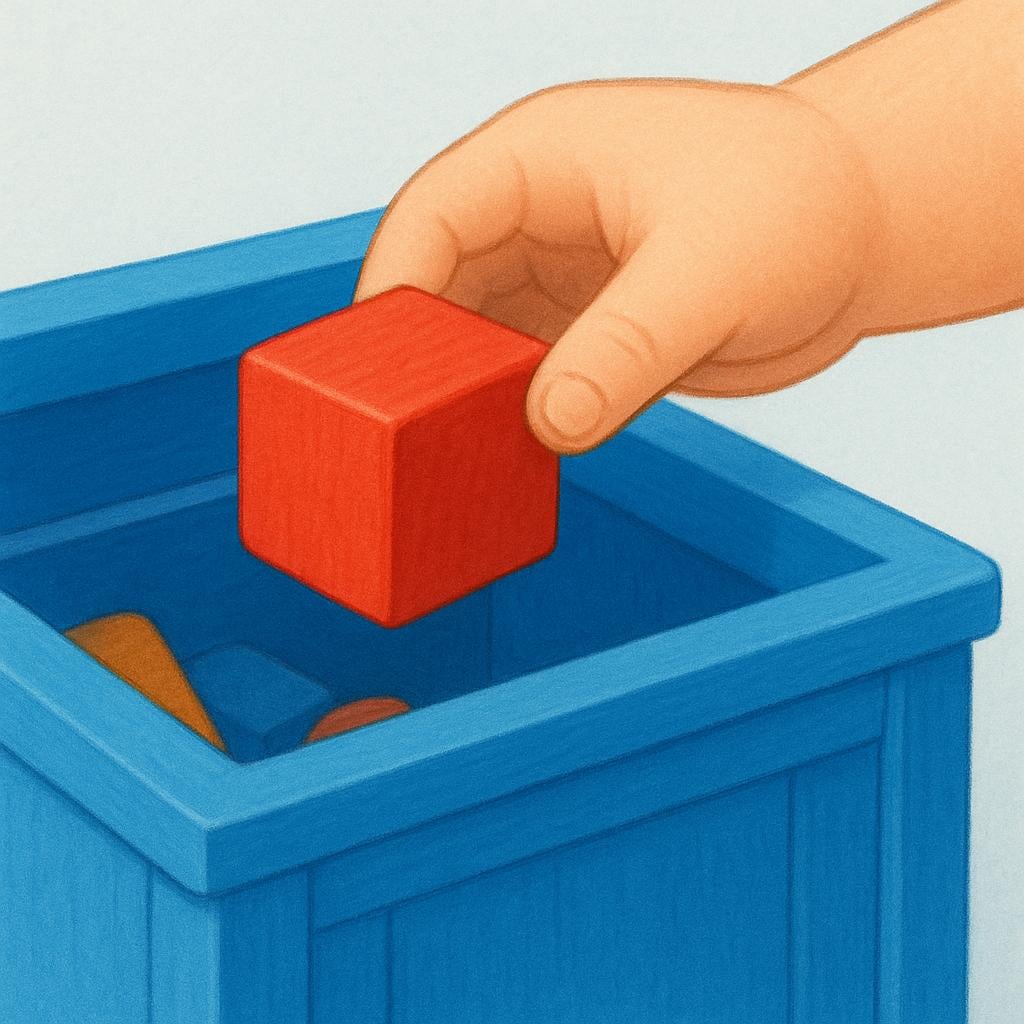
📝 In Action
¿Por qué sacaste el libro de mi mochila?
A1Why did you take the book out of my backpack?
Sacaste la basura justo antes de irte.
A2You took out the trash right before you left.
you got, you obtained
Also: you scored
📝 In Action
¡Felicidades! Sacaste una nota perfecta en el examen.
A2Congratulations! You got a perfect grade on the exam.
¿Qué número sacaste en la lotería?
B1What number did you get in the lottery?
you withdrew, you took out

📝 In Action
¿Cuánto dinero sacaste del cajero automático ayer?
B1How much money did you withdraw from the ATM yesterday?
Sacaste todos tus ahorros para comprar el coche.
B2You took out all your savings to buy the car.
Indicative
Present
Imperfect
Preterite
Subjunctive
Present Subjunctive
Imperfect Subjunctive
Translate to Spanish
Words that translate to "sacaste" in Spanish:
you got→you obtained→you removed→you scored→you withdrew→✏️ Quick Practice
Quick Quiz: sacaste
Question 1 of 1
Which sentence uses 'sacaste' in the sense of obtaining a result?
📚 More Resources
👥 Word Family▼
🎵 Rhymes▼
📚 Etymology▼
Comes from the vulgar Latin word *saccare*, meaning 'to put into a sack' or 'to take out of a sack.' This root is related to the word for 'sack' (saco or saca).
First recorded: 13th century
Cognates (Related words)
💡 Master Spanish
Take your Spanish to the next level. Read 200+ illustrated and narrated Spanish stories tailored to your level with the Inklingo app!
Frequently Asked Questions
How do I know if I should use 'sacaste' (tú) or 'sacó' (usted)?
Use 'sacaste' only when you are speaking informally to one person (a friend, child, or peer). Use 'sacó' when speaking formally (to a boss, a stranger, or an older person) or when referring to a third person (he/she took out).
Why is 'sacaste' in the past tense?
'Sacaste' is the simple past (preterite) tense. It describes an action that started and finished completely at a specific point in the past. Example: 'Yesterday, you took out the trash.' (A finished action).