mona
“mona” means “female monkey” in Spanish. It has 4 different meanings depending on context:
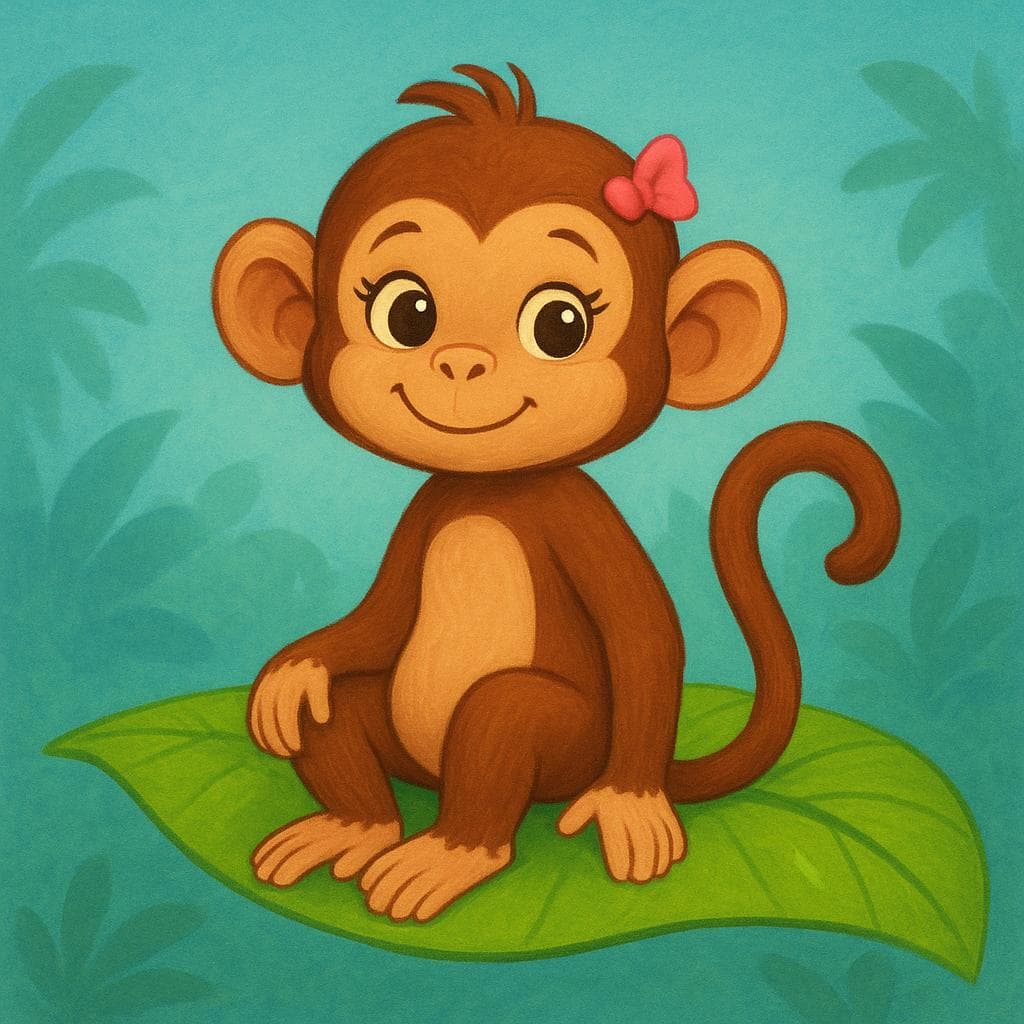

female monkey
Also: ape
📝 In Action
La mona del zoológico estaba jugando con su cría.
A2The female monkey at the zoo was playing with her baby.
Vimos una mona muy grande trepando el árbol.
B1We saw a very large monkey climbing the tree.
cute, pretty
Also: lovely, dainty
📝 In Action
¡Qué casa tan mona! Me encanta la decoración.
B1What a cute house! I love the decoration.
Ella es una chica muy mona, siempre sonríe.
B1She is a very pretty girl, she always smiles.
Llevas una camiseta muy mona.
A2You are wearing a very cute t-shirt.
hangover
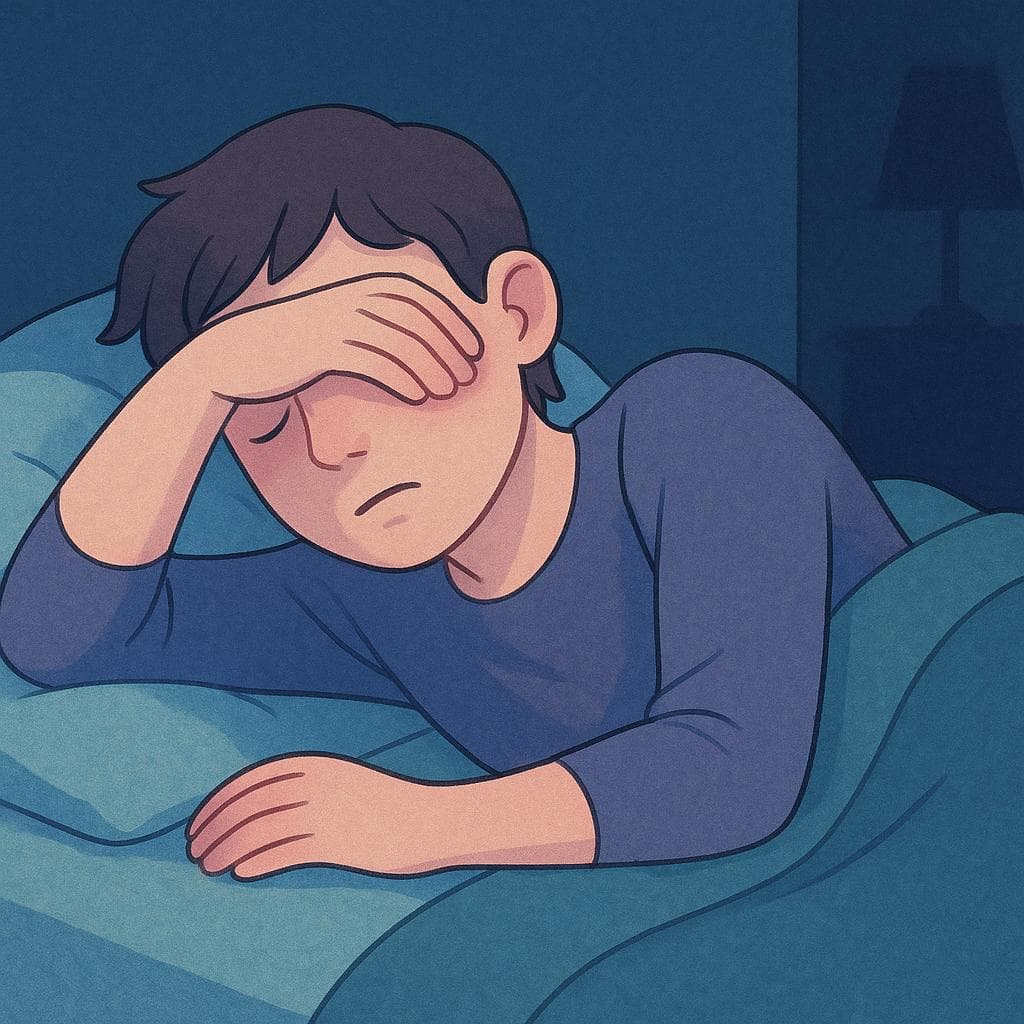
Also: tipsiness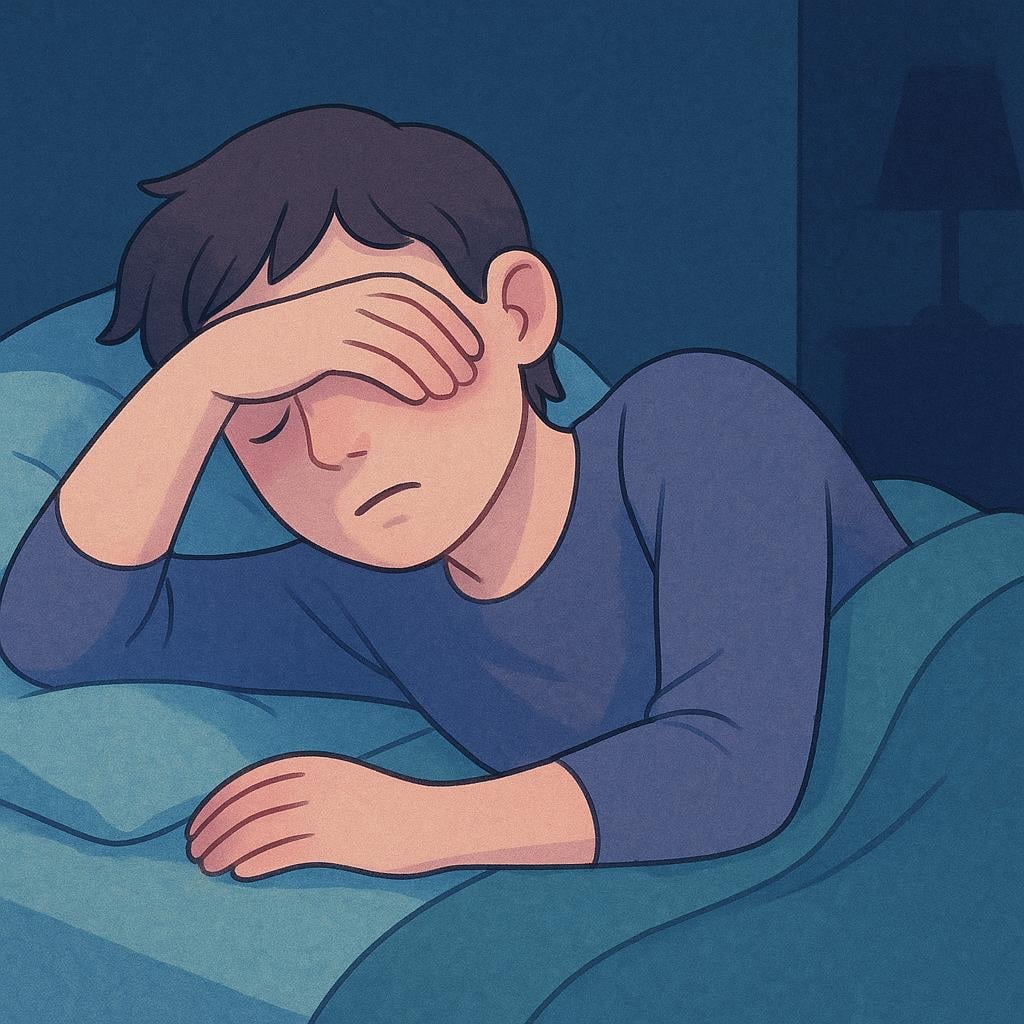
📝 In Action
Después de la boda, tenía una mona que no me dejaba levantarme.
C1After the wedding, I had a hangover that wouldn't let me get up.
Todavía tiene la mona de anoche, no puede ni hablar.
C1She still has the tipsiness from last night, she can't even speak.
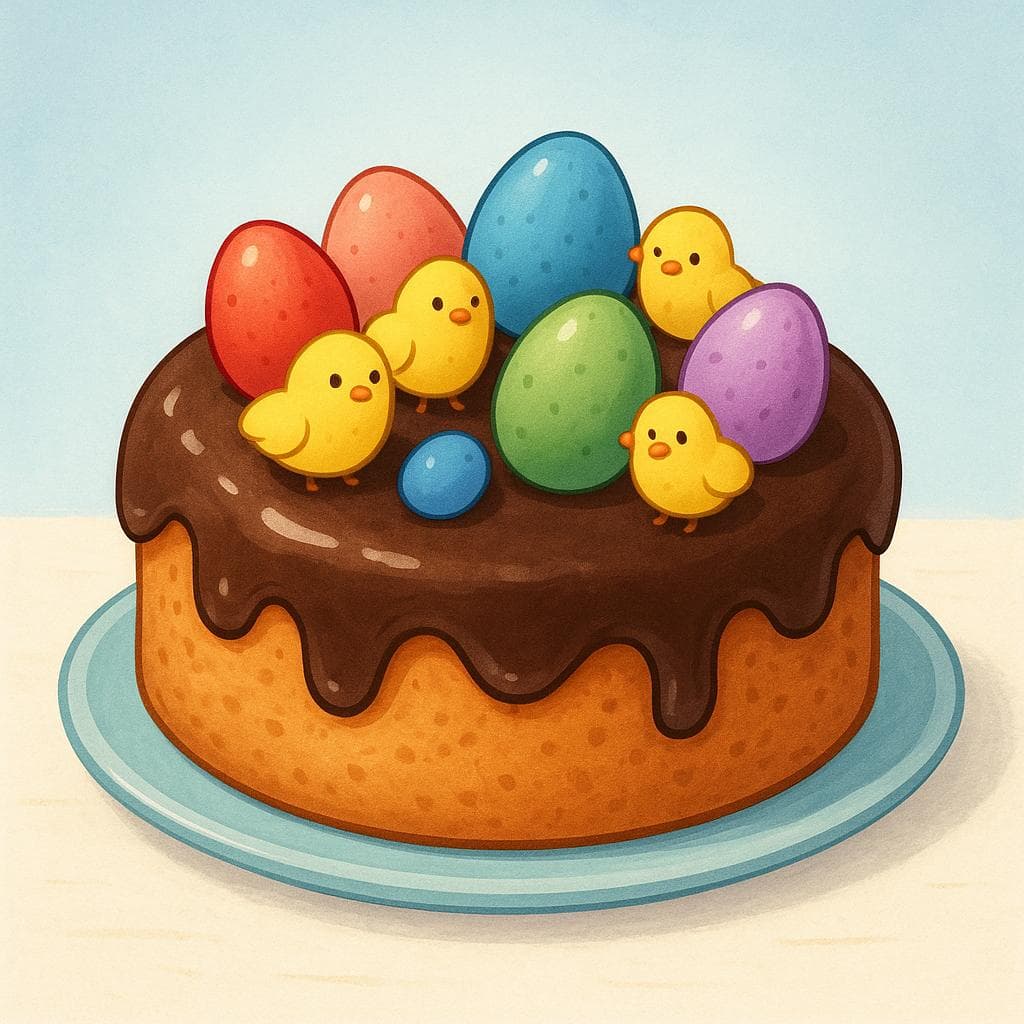
Easter cake
Also: Mona de Pascua
📝 In Action
Vamos a comprar una mona para la Pascua con figuras de chocolate.
B1We are going to buy an Easter cake with chocolate figures for Easter.
Vocabulary Collections
Translate to Spanish
Words that translate to "mona" in Spanish:
dainty→easter cake→female monkey→hangover→lovely→tipsiness→✏️ Quick Practice
Quick Quiz: mona
Question 1 of 2
Which of the following sentences uses 'mona' to mean 'cute'?
📚 More Resources
👥 Word Family▼
📚 Etymology▼
Likely comes from the Arabic word *maymūn*, which meant 'monkey' or 'good fortune.' The meaning 'cute' developed in Spanish because monkeys were often kept as pets and dressed up, giving them a charming, doll-like appearance.
First recorded: 15th century (as 'mono')
Cognates (Related words)
💡 Master Spanish
Take your Spanish to the next level. Read 200+ illustrated and narrated Spanish stories tailored to your level with the Inklingo app!
Frequently Asked Questions
Why does 'mona' mean both 'monkey' and 'cute'?
The meaning 'cute' developed because small monkeys were historically popular pets, often dressed in tiny clothes. This practice made them seem charming or quaint, leading to the adjective 'mono/mona' meaning 'cute' or 'pretty' based on that association.
Is 'mona' used to describe men as well?
Yes, but you must use the masculine form, 'mono.' For example, 'Él es muy mono' means 'He is very cute.'