monarca
“monarca” means “monarch” in Spanish. It has 2 different meanings depending on context:

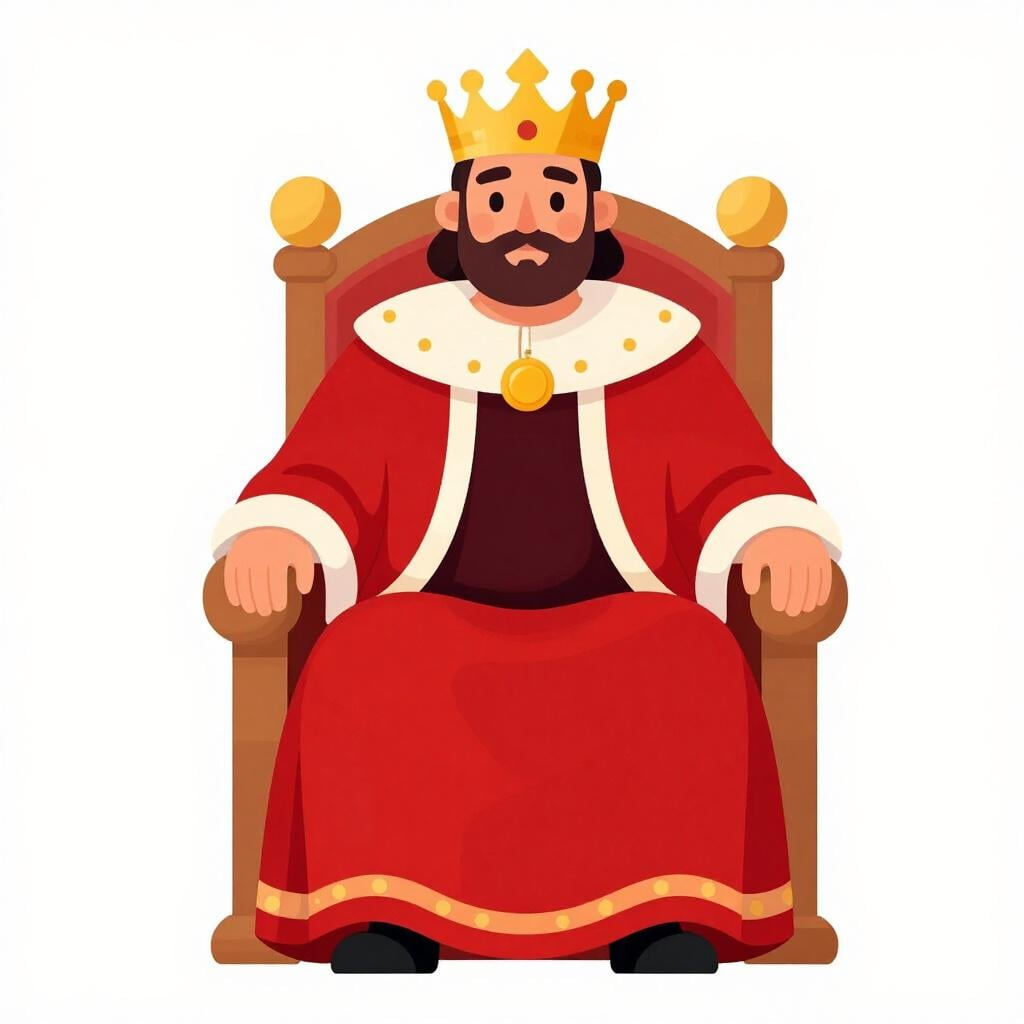
monarchAlso: sovereign, ruler
📝 In Action
El monarca actual ha visitado muchos países.
A2The current monarch has visited many countries.
Muchos monarcas europeos asistieron a la ceremonia.
B1Many European monarchs attended the ceremony.
La figura del monarca es simbólica en esta constitución.
B2The figure of the monarch is symbolic in this constitution.
Word Connections
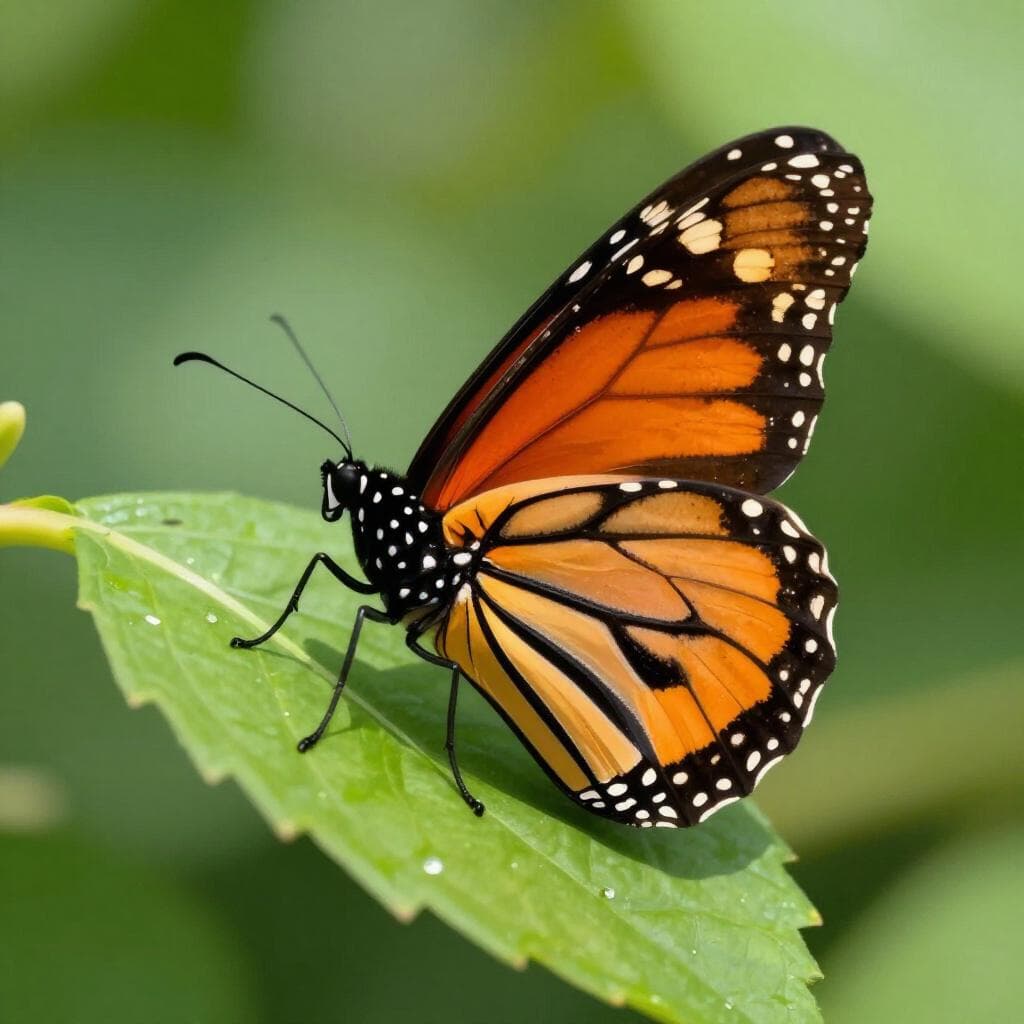
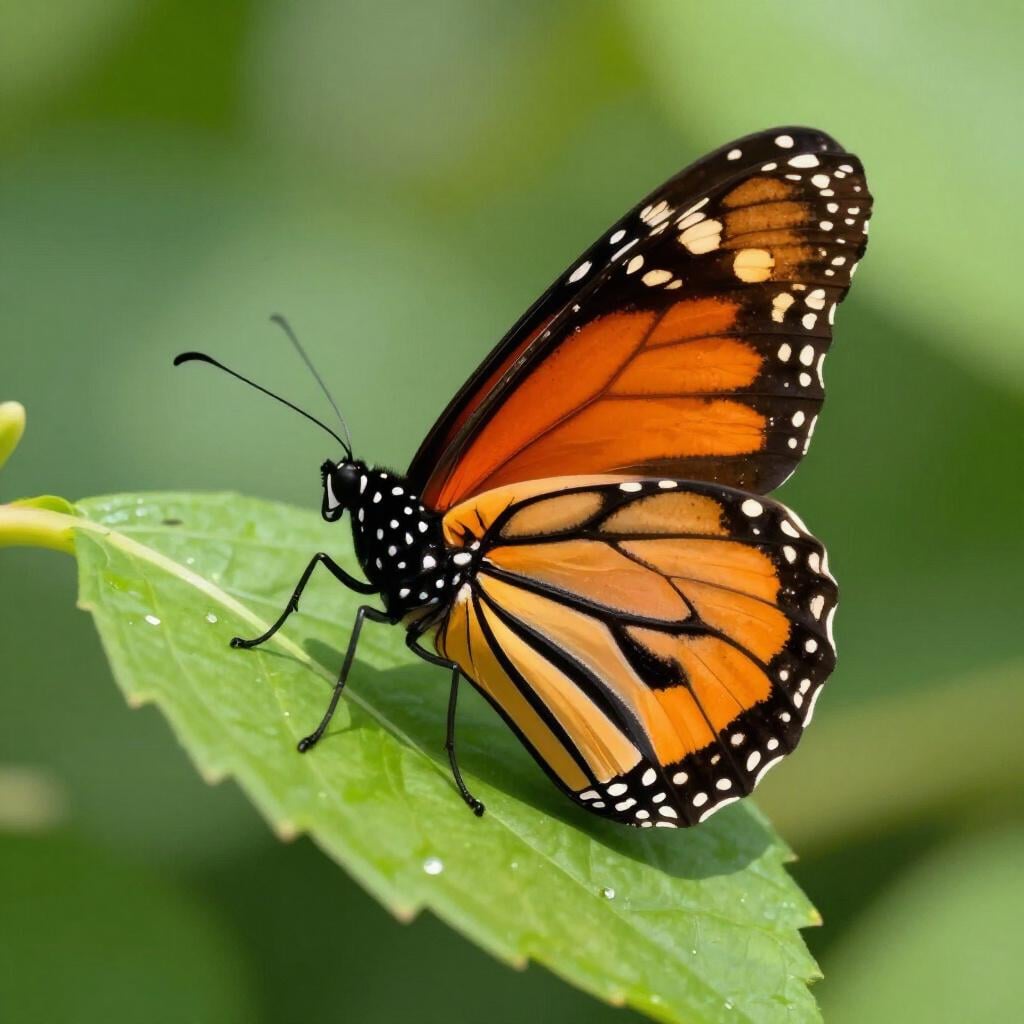
monarch (butterfly)
📝 In Action
La mariposa monarca viaja miles de kilómetros.
B1The monarch butterfly travels thousands of kilometers.
Word Connections
Vocabulary Collections
Translate to Spanish
✏️ Quick Practice
Quick Quiz: monarca
Question 1 of 3
How do you say 'the queen' using the word 'monarca'?
📚 More Resources
👥 Word Family
📚 Etymology
From Ancient Greek 'monarkhēs', which combines 'monos' (alone/one) and 'arkhein' (to rule). It literally means 'someone who rules alone.'
First recorded: 13th century
Cognates (Related words)
💡 Master Spanish
Take your Spanish to the next level. Read 200+ illustrated and narrated Spanish stories tailored to your level with the Inklingo app!
Frequently Asked Questions
Is there a difference between 'monarca' and 'rey'?
'Monarca' is a bit more formal and technical. It's like the difference between 'the sovereign' and 'the king'.
Why does it end in 'a' if it can be a man?
Spanish has a group of words (like 'atleta' or 'poeta') that end in 'a' but can refer to any gender. Only the article (el/la) tells you the gender.
Can 'monarca' be used as an adjective?
Not usually. We use 'monárquico' to describe things related to a monarchy (e.g., 'un sistema monárquico').