How to Say "sovereign" in Spanish
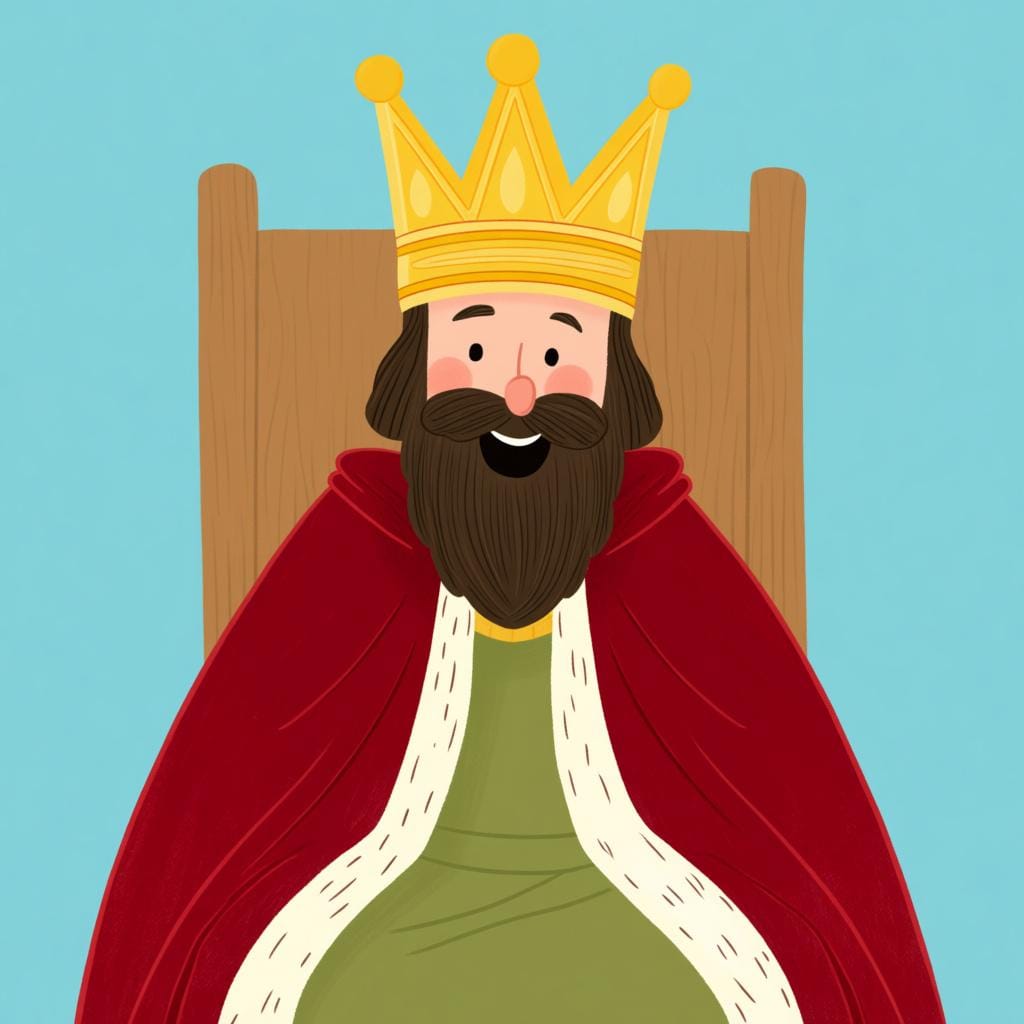
The most common Spanish word for “sovereign” is “rey” — use 'rey' when referring to a king, the most common term for a male supreme ruler of a monarchy.
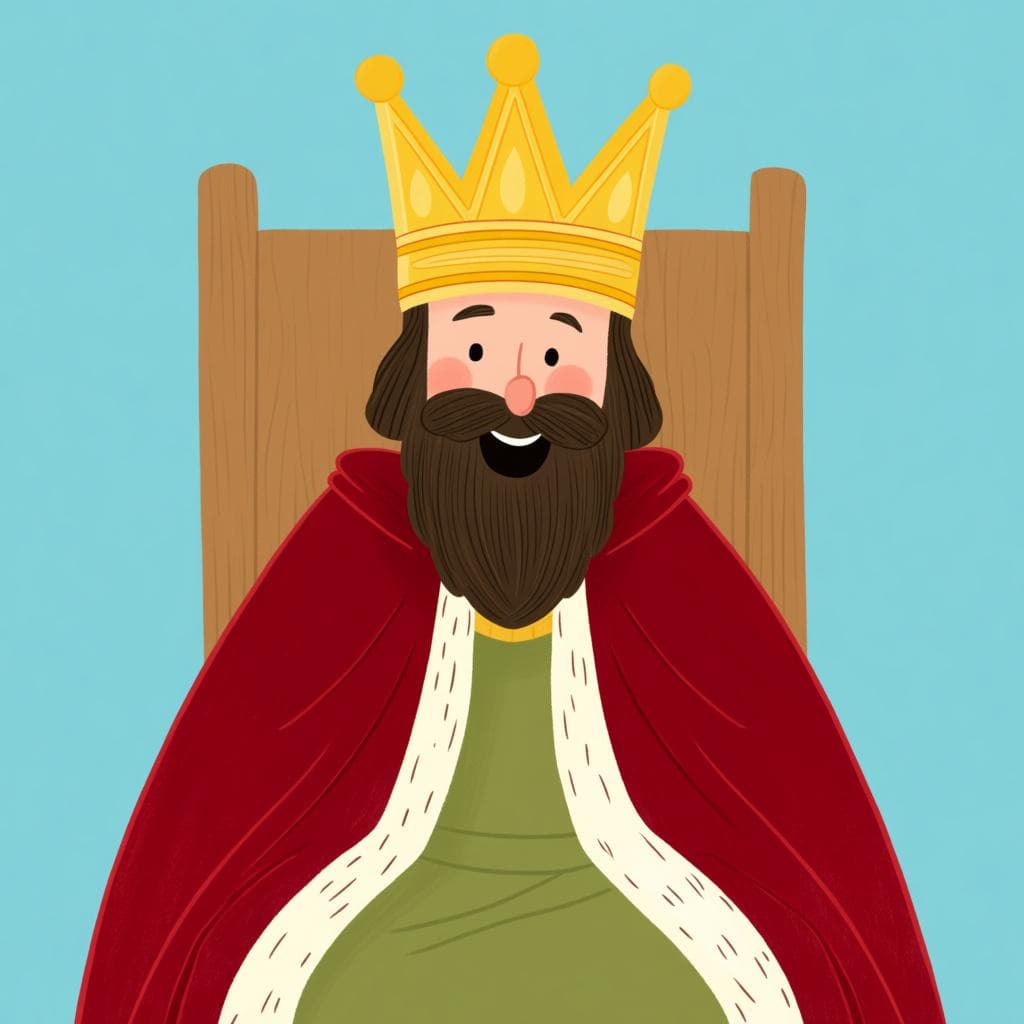
Use 'rey' when referring to a king, the most common term for a male supreme ruler of a monarchy.
Learn more →
Choose 'monarca' for a general term for a monarch, a person holding supreme autocratic authority, often used for rulers of kingdoms or empires.
Learn more →
Use 'soberano' as an adjective to describe a country or state that is independent and self-governing.
Learn more →
Use 'emperador' specifically for the head of an empire, a ruler with a higher rank than a king.
Learn more →Use 'príncipe' for the ruler of a principality or a state, often a smaller territory, or a prince who is heir to a throne.
Learn more →rreyrei̯
Examples
El rey de España se llama Felipe VI.
The king of Spain is named Felipe VI.
La corona del rey era de oro puro.
The king's crown was made of pure gold.
Los Reyes Magos traen regalos a los niños el 6 de enero.
The Three Wise Men (literally, 'Magic Kings') bring gifts to children on January 6th.
Feminine and Plural Forms
The female version is 'reina' (queen). For the plural, 'reyes' can mean 'kings,' but it can also mean 'the king and queen' together, just like 'padres' can mean 'parents'.
Capitalization
Mistake: “El Rey de España es Felipe. / El rey Felipe es de España.”
Correction: Use a capital letter for 'Rey' only when it's used as a formal title without the name (e.g., 'el Rey viajará...') or right before the name ('el Rey Felipe VI'). In general conversation, it's lowercase: 'El rey vive en un palacio'.
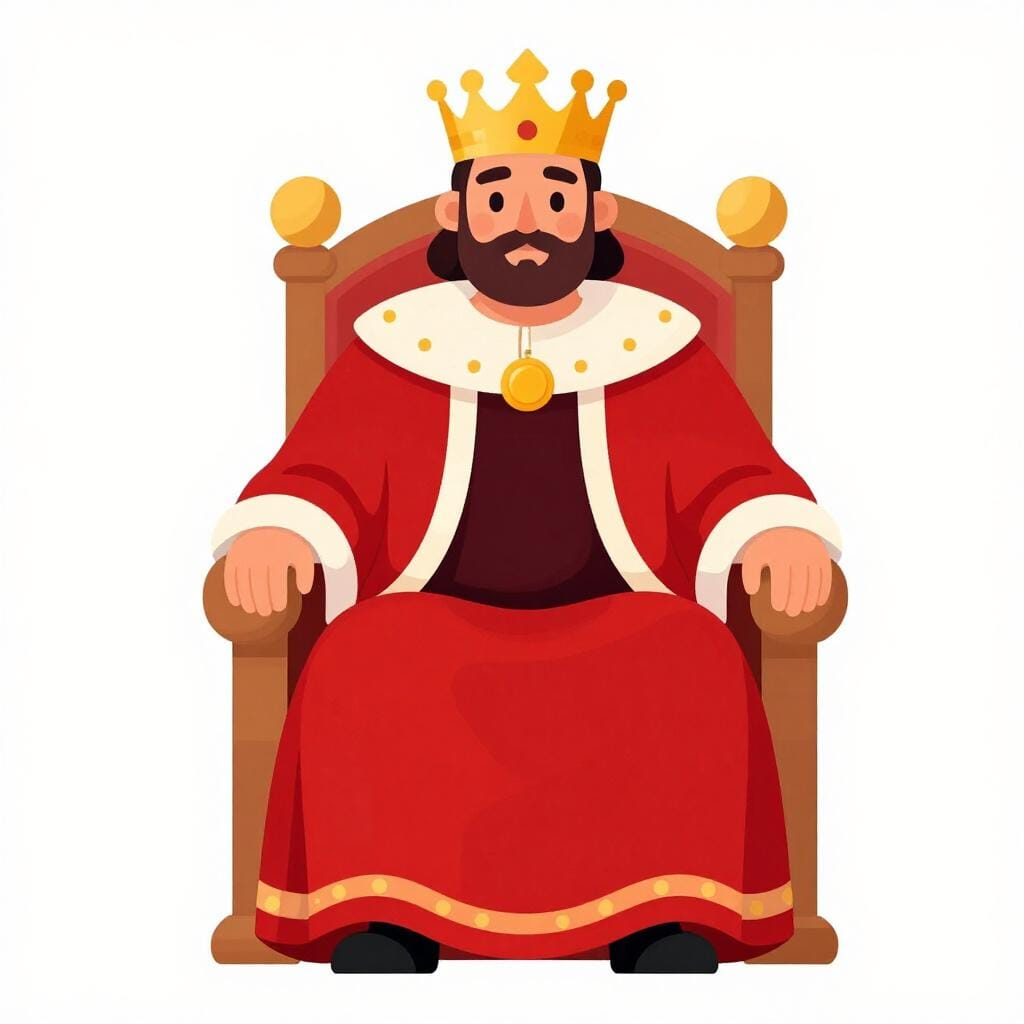
mo-NAR-kamoˈnaɾka
Examples
El monarca actual ha visitado muchos países.
The current monarch has visited many countries.
Muchos monarcas europeos asistieron a la ceremonia.
Many European monarchs attended the ceremony.
La figura del monarca es simbólica en esta constitución.
The figure of the monarch is symbolic in this constitution.
One word, two genders
This word doesn't change its ending; you say 'el monarca' for a king and 'la monarca' for a queen.
Ends in -a but can be masculine
Just like 'dentista' or 'artista,' it ends in -a even when referring to a man.
Don't say 'monarco'
Mistake: “El monarco es muy sabio.”
Correction: El monarca es muy sabio. This word never ends in -o.
so-be-RA-nosobeˈɾano

Examples
Chile es un país soberano.
Chile is a sovereign country.
Debemos respetar la voluntad soberana del pueblo.
We must respect the sovereign will of the people.
Esa decisión es un derecho soberano de cada estado.
That decision is a sovereign right of every state.
El soberano saludó a la multitud desde el balcón.
The sovereign greeted the crowd from the balcony.
Changing the Ending
This word changes its ending to match the thing it describes. Use 'soberano' for masculine words (like 'país') and 'soberana' for feminine words (like 'nación').
People vs. Nations
When used as a person (noun), it refers to the ruler. When used as a description (adjective), it refers to the status of the country.
Word Order
Mistake: “Un soberano estado.”
Correction: Un estado soberano.
Gender of Rulers
Mistake: “La soberano Isabel.”
Correction: La soberana Isabel.
em-peh-rah-DORempeɾaˈðoɾ

Examples
El emperador gobernó el vasto imperio durante cuarenta años.
The emperor ruled the vast empire for forty years.
La caída del emperador marcó el fin de una era.
The fall of the emperor marked the end of an era.
Gender Pair
The feminine equivalent is 'emperatriz' (empress). Remember to change the article ('el' or 'la') to match the gender.
Confusing Titles
Mistake: “Using 'rey' (king) when referring to the ruler of an 'imperio' (empire).”
Correction: An 'emperador' rules an 'imperio,' which is generally a larger and more powerful domain than a 'reino' (kingdom) ruled by a 'rey.'
príncipe
Examples
El príncipe heredero asistió a la ceremonia.
The crown prince attended the ceremony.
so-be-RA-nosobeˈɾano
Examples
El soberano saludó a la multitud desde el balcón.
The sovereign greeted the crowd from the balcony.
Chile es un país soberano.
Chile is a sovereign country.
Debemos respetar la voluntad soberana del pueblo.
We must respect the sovereign will of the people.
Esa decisión es un derecho soberano de cada estado.
That decision is a sovereign right of every state.
Changing the Ending
This word changes its ending to match the thing it describes. Use 'soberano' for masculine words (like 'país') and 'soberana' for feminine words (like 'nación').
People vs. Nations
When used as a person (noun), it refers to the ruler. When used as a description (adjective), it refers to the status of the country.
Word Order
Mistake: “Un soberano estado.”
Correction: Un estado soberano.
Gender of Rulers
Mistake: “La soberano Isabel.”
Correction: La soberana Isabel.
Confusing Titles vs. Country Status
Learners often confuse the Spanish words for rulers ('rey', 'monarca', 'emperador', 'príncipe', 'soberano' as a noun) with the adjective 'soberano' which means independent. Remember that 'soberano' can be both a noun for a ruler and an adjective for a country's status, while the others are strictly titles for rulers.
Related Translations
Learn Spanish with Inklingo
Interactive stories, personalized learning, and more.