monta
“monta” means “he/she/it rides” in Spanish. It has 2 different meanings depending on context:
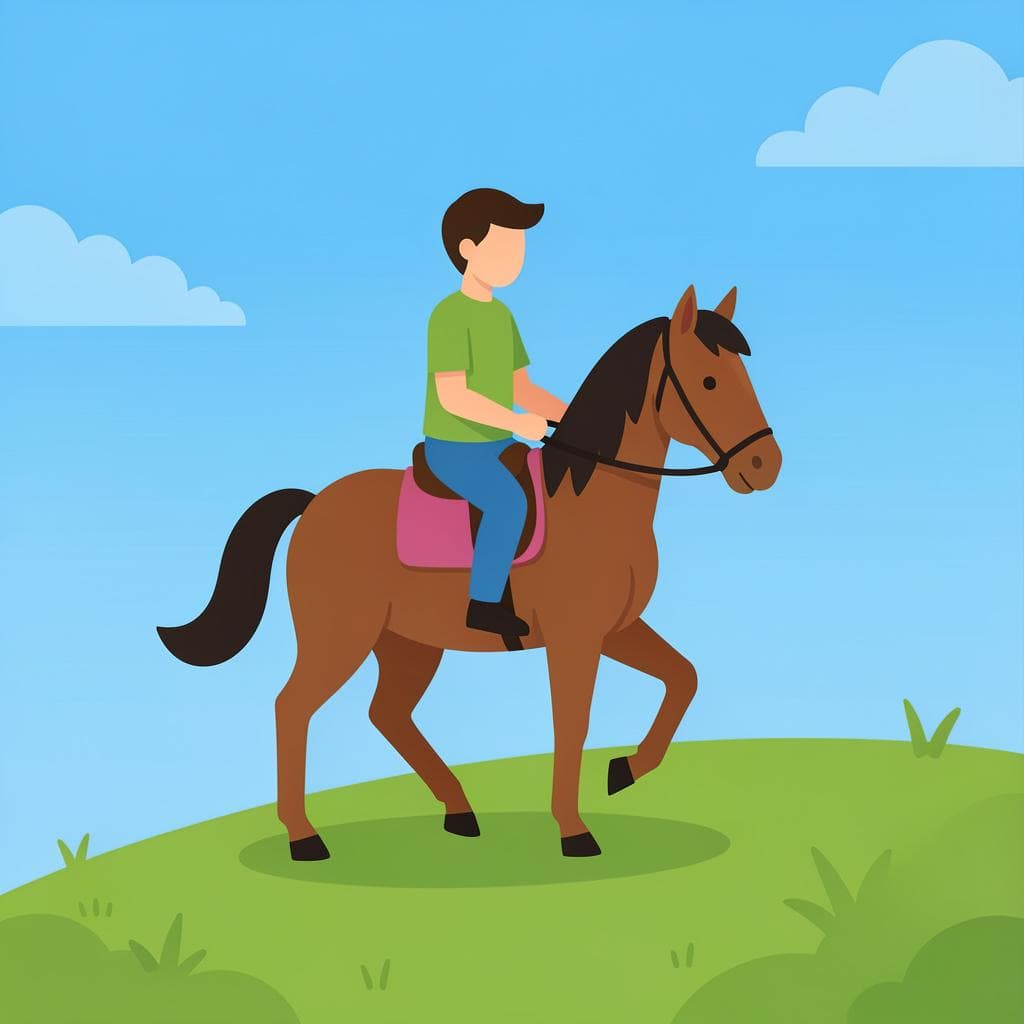

he/she/it rides, he/she/it assembles
Also: you (formal) ride, ride!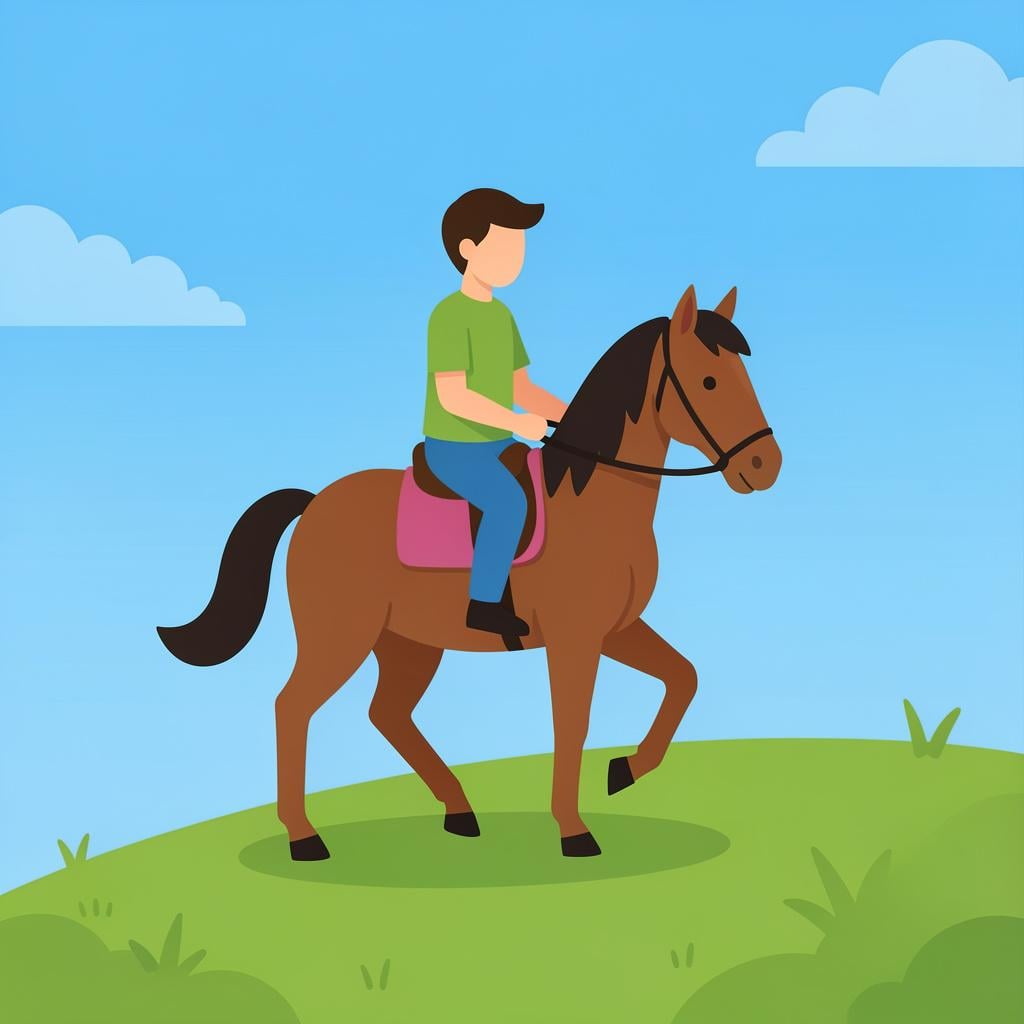
📝 In Action
Él monta en bicicleta todas las mañanas.
A1He rides his bike every morning.
Ella monta los muebles de la oficina.
A2She is assembling the office furniture.
¡Monta ahora!
A1Get on/Ride now!
amount, importance
Also: sum
📝 In Action
Es un asunto de gran monta para la empresa.
B2It is a matter of great importance for the company.
La monta total de la factura es elevada.
C1The total amount of the invoice is high.
Subjunctive
Imperfect Subjunctive
Present Subjunctive
Indicative
Preterite
Imperfect
Present
Translate to Spanish
Words that translate to "monta" in Spanish:
importance→✏️ Quick Practice
Quick Quiz: monta
Question 1 of 1
What does the phrase 'un negocio de poca monta' mean?
📚 More Resources
👥 Word Family▼
📚 Etymology▼
Comes from the verb 'montar' (to mount/climb), which derives from the Latin 'mons' (mountain). The sense of 'amount' comes from the idea of items being 'piled up' or 'climbing' to a total.
First recorded: 13th Century
Cognates (Related words)
💡 Master Spanish
Take your Spanish to the next level. Read 200+ illustrated and narrated Spanish stories tailored to your level with the Inklingo app!
Frequently Asked Questions
Is 'monta' used for riding a car?
No. For cars, we say 'conduce' (drives) or 'va en coche' (goes in a car). 'Monta' is reserved for things you sit 'astride,' like bikes, motorcycles, or horses.
Can 'monta' be a command?
Yes! If you are telling a friend to get on a bike or horse, you can simply say '¡Monta!'