monte
“monte” means “woodland” in Spanish. It has 2 different meanings depending on context:
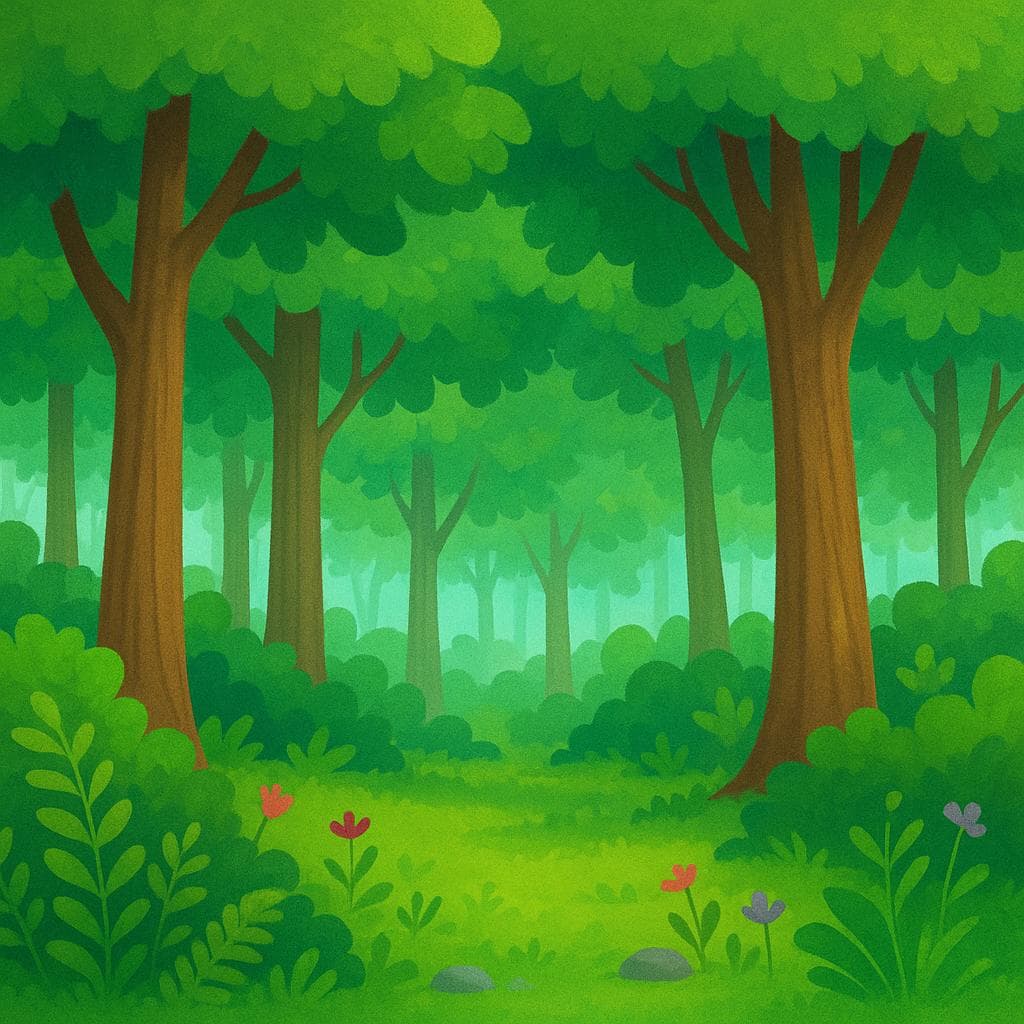
woodland, scrubland
Also: bush, wilds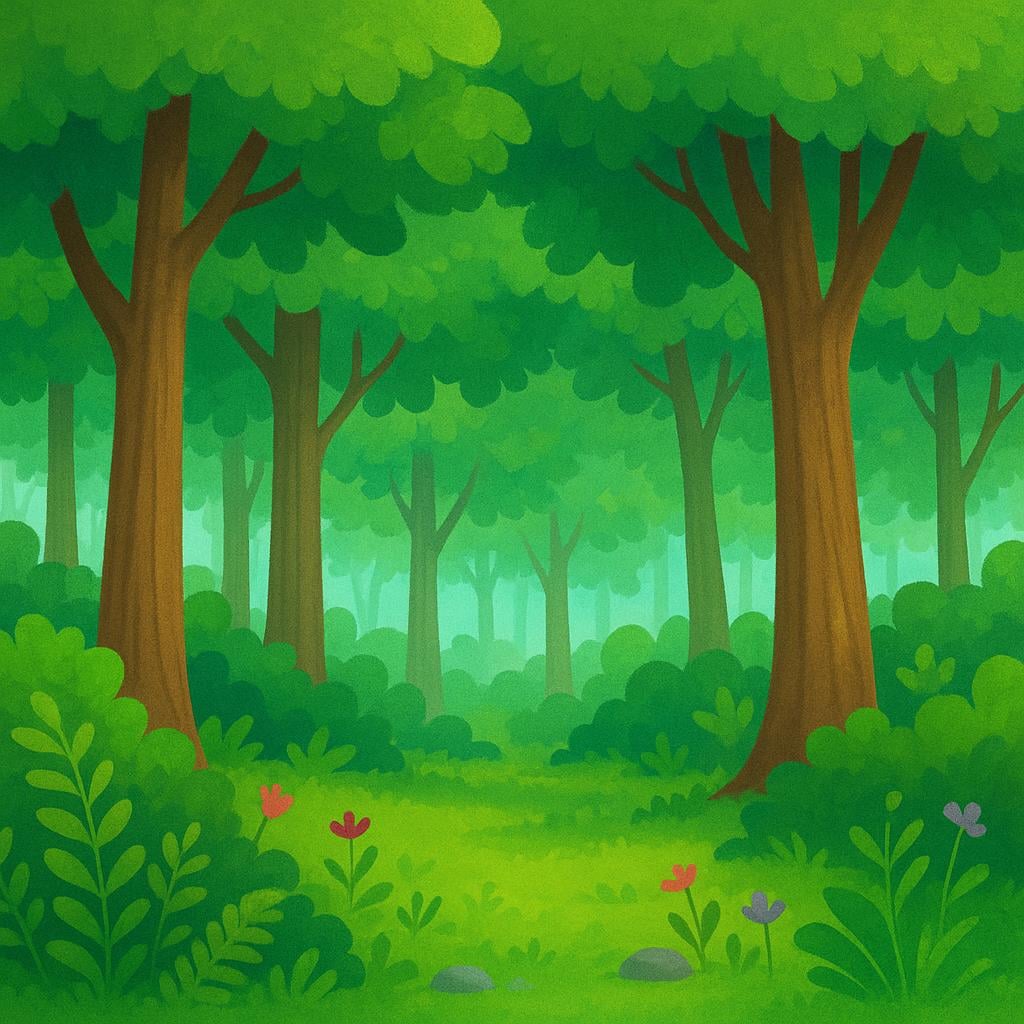
📝 In Action
Nos perdimos un poco al entrar en el monte.
B1We got a little lost when we entered the woods.
Hay que tener cuidado con los incendios en el monte seco.
B2We must be careful with fires in the dry scrubland.
El perro se escapó y se metió en el monte.
A2The dog escaped and went into the brush.
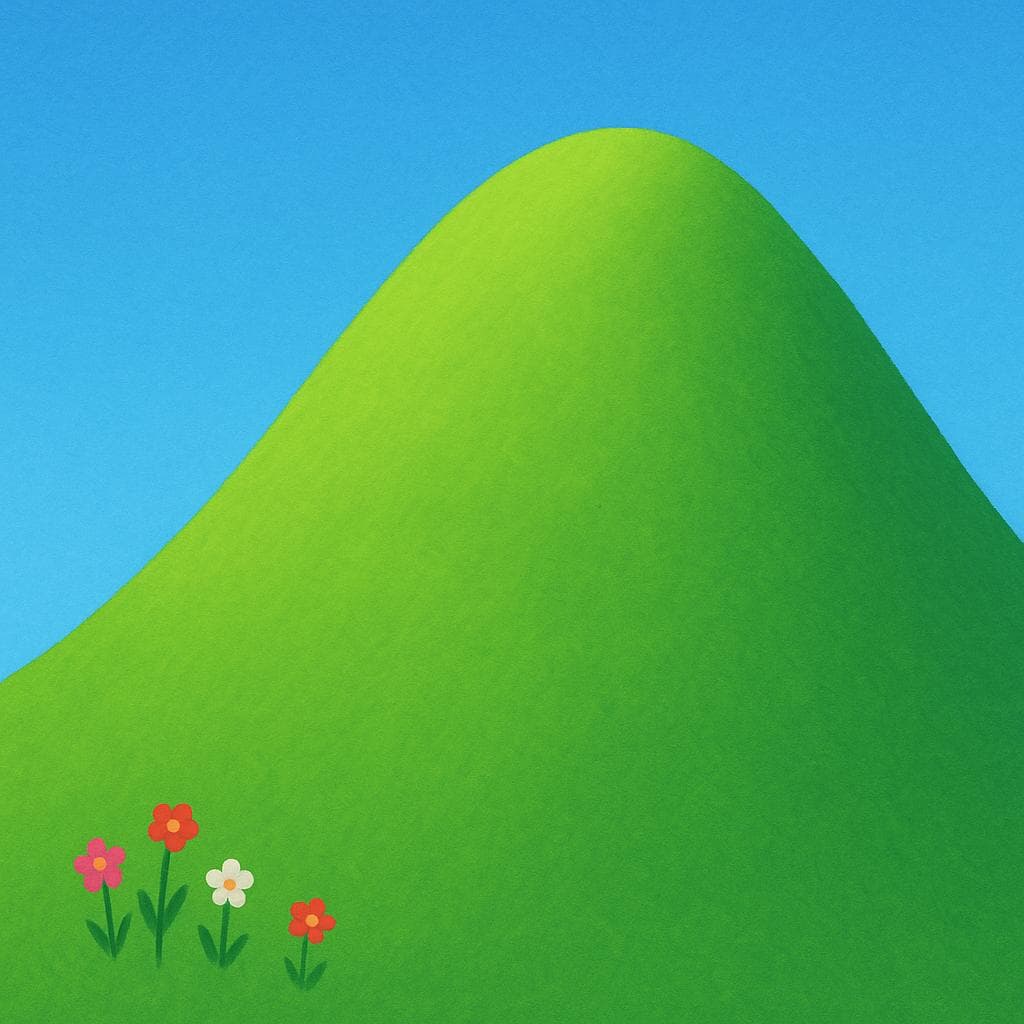
mount, hill
Also: mountain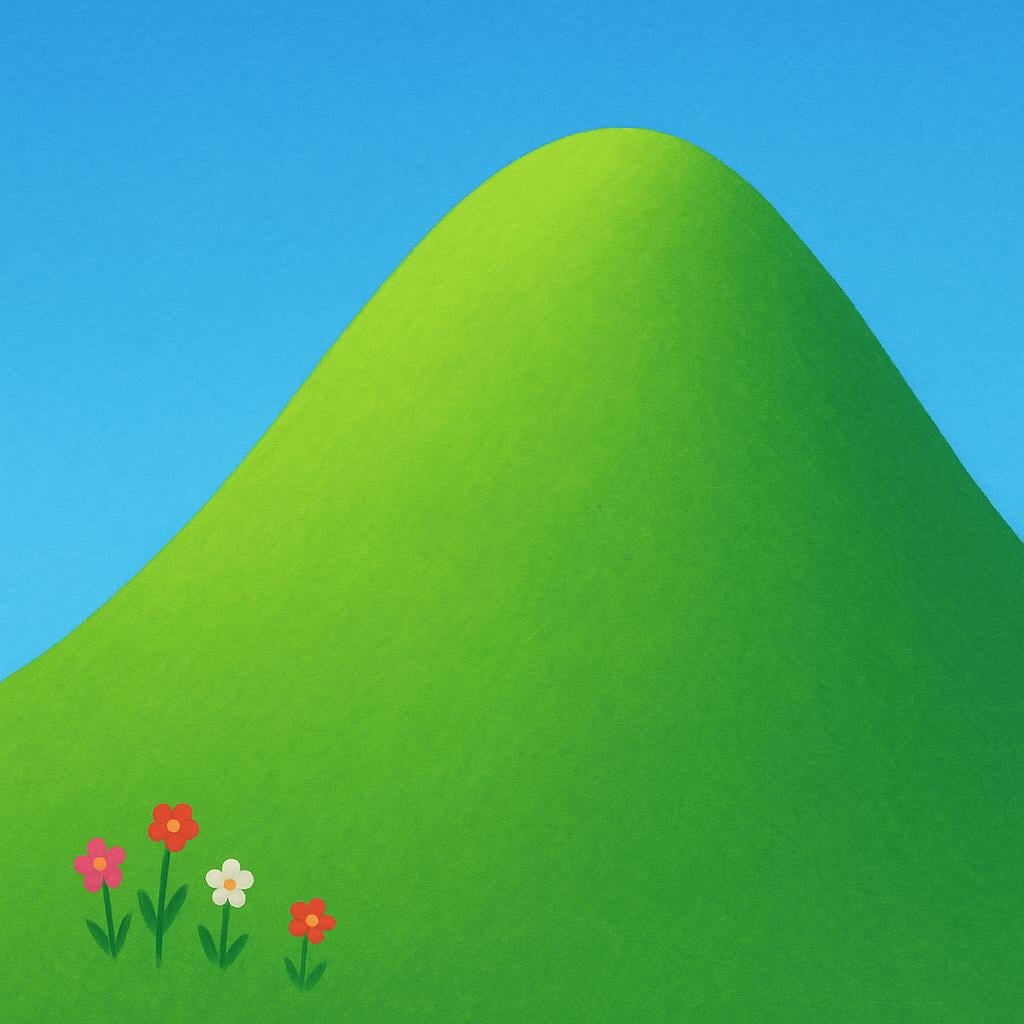
📝 In Action
El Monte Fuji es un volcán muy famoso en Japón.
A2Mount Fuji is a very famous volcano in Japan.
Subimos a la cima del monte para ver el amanecer.
B1We climbed to the top of the mount/hill to see the sunrise.
Translate to Spanish
✏️ Quick Practice
Quick Quiz: monte
Question 1 of 1
Which sentence uses 'monte' in the sense of 'wild, uncultivated vegetation'?
📚 More Resources
👥 Word Family▼
📚 Etymology▼
Comes directly from the Latin word *montem*, which meant 'mountain' or 'hill'. Over time, its meaning expanded in Spanish to also describe the wild, uncultivated land and forests found on those hills.
First recorded: Before the 10th century (Old Spanish)
Cognates (Related words)
💡 Master Spanish
Take your Spanish to the next level. Read 200+ illustrated and narrated Spanish stories tailored to your level with the Inklingo app!
Frequently Asked Questions
How is 'monte' different from 'montaña'?
'Montaña' is the standard, general word for a large mountain. 'Monte' can mean a smaller hill or, more commonly, the dense, wild woods and brush found on natural terrain. Think of 'montaña' as the giant peak, and 'monte' as the wild ground and trees.