moriré
“moriré” means “I will die” in Spanish (future action).
I will die
Also: I shall die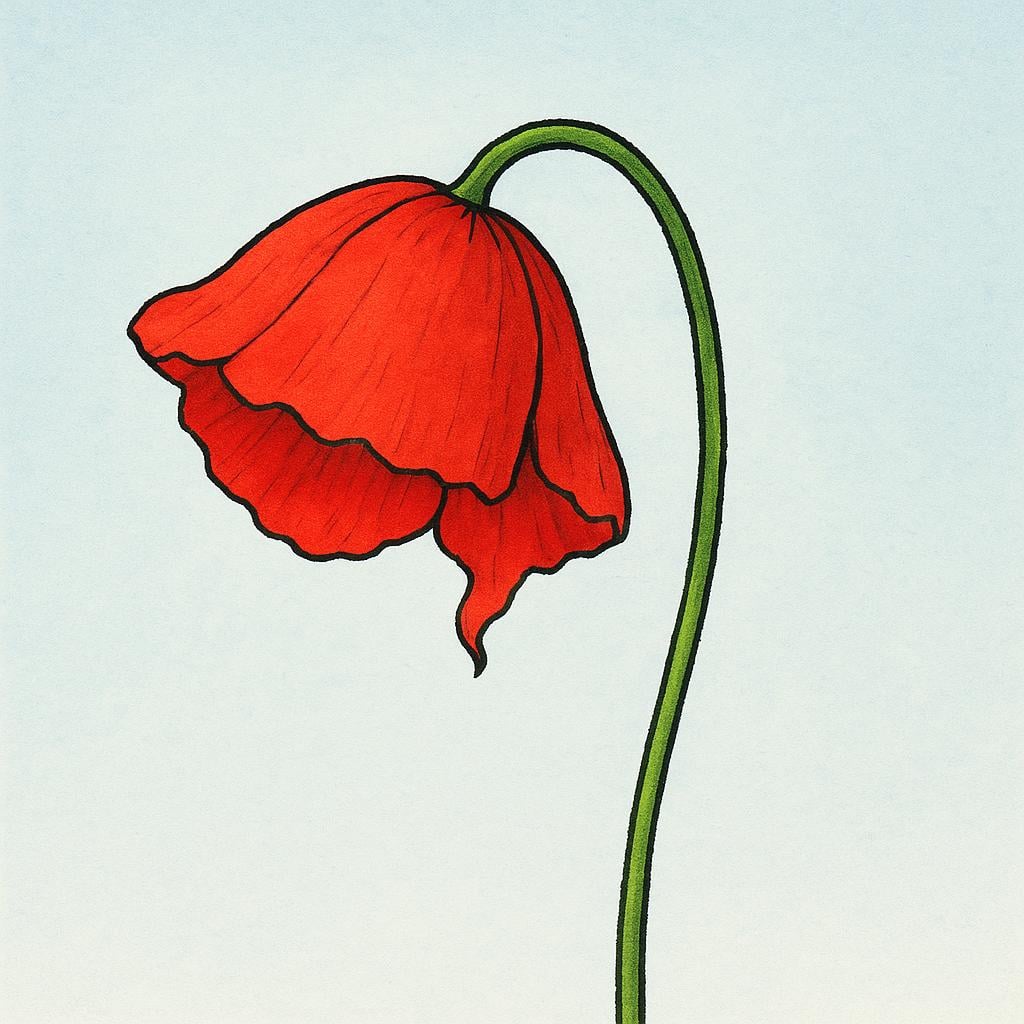
📝 In Action
Si no bebo agua pronto, ¡moriré de sed!
A2If I don't drink water soon, I will die of thirst!
Sé que algún día moriré, pero no hoy.
B1I know that someday I will die, but not today.
Si mi equipo pierde la final, creo que moriré de pena.
B2If my team loses the final, I think I will die of sorrow (figuratively).
🔄 Conjugations
indicative
present
imperfect
preterite
subjunctive
present
imperfect
✏️ Quick Practice
Quick Quiz: moriré
Question 1 of 1
Which sentence correctly uses 'moriré'?
📚 More Resources
👥 Word Family▼
🎵 Rhymes▼
📚 Etymology▼
Comes directly from the Latin verb *morīrī* or *morī*, meaning 'to die.' The root is very old and shares ancestry with English words like 'mortal' and 'mortuary.'
First recorded: Before the 10th century (as *morir* in Old Spanish)
Cognates (Related words)
💡 Master Spanish
Take your Spanish to the next level. Read 200+ illustrated and narrated Spanish stories tailored to your level with the Inklingo app!
Frequently Asked Questions
Is 'moriré' the same as 'me voy a morir'?
They mean the same thing ('I will die'), but 'me voy a morir' (using *ir a* + infinitive) is the 'near future' and is often used in conversational Spanish, just like saying 'I am going to die' in English. 'Moriré' is the simple future, which is more direct and slightly more formal.