moro
“moro” means “Moorish” in Spanish. It has 2 different meanings depending on context:

MoorishAlso: Moor, North African

📝 In Action
Me encanta la arquitectura mora del sur de España.
B1I love the Moorish architecture of southern Spain.
La historia cuenta las batallas entre cristianos y moros.
B1History tells of the battles between Christians and Moors.
Ese estilo de alfombra tiene un diseño muy moro.
B2That style of rug has a very Moorish design.
Word Connections
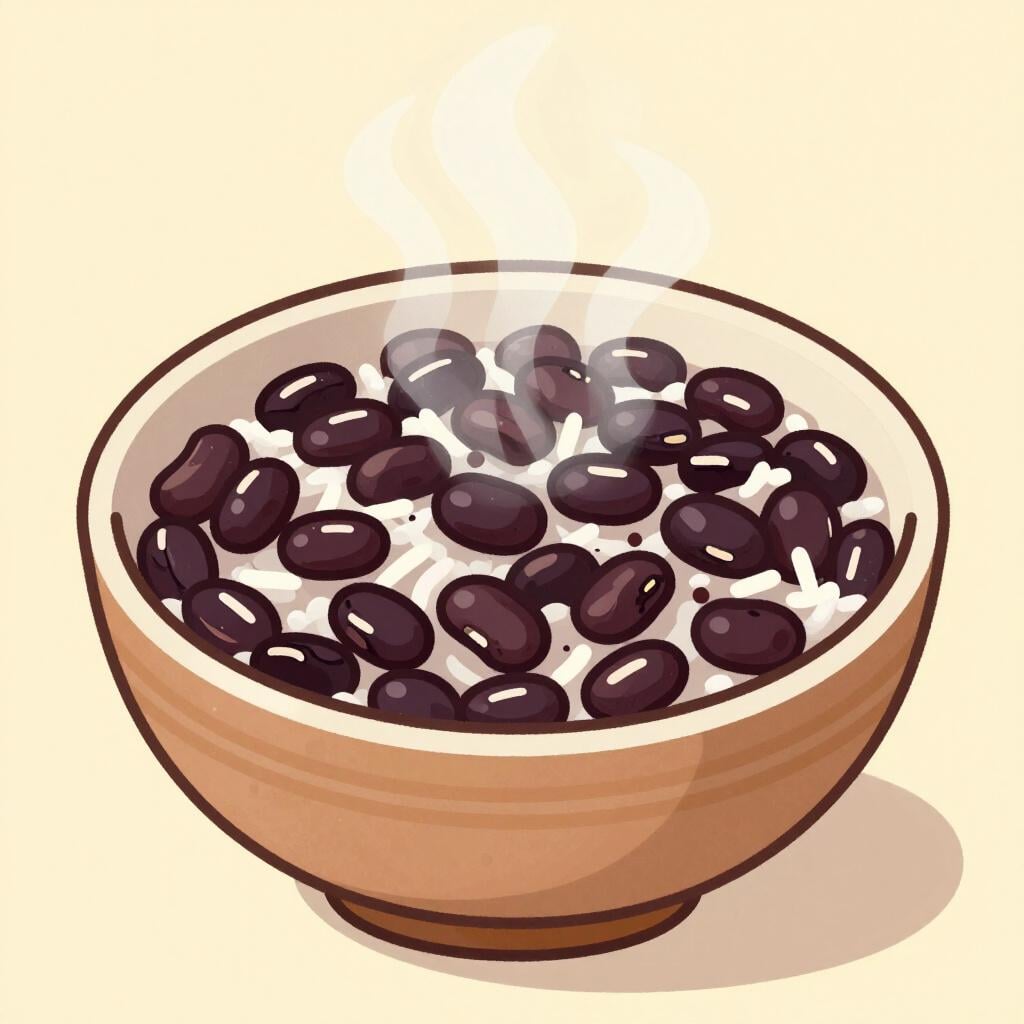
mixed rice and beansAlso: dark-colored horse
📝 In Action
Hoy vamos a comer moro con pollo frito.
B1Today we are going to eat rice and beans with fried chicken.
El jinete montaba un hermoso caballo moro.
C1The rider was mounting a beautiful dark-colored horse.
El moro de guandules es un plato típico en mi país.
B2Rice with pigeon peas is a typical dish in my country.
Word Connections
Translate to Spanish
Words that translate to "moro" in Spanish:
✏️ Quick Practice
Quick Quiz: moro
Question 1 of 3
What does the expression 'Hay moros en la costa' mean?
📚 More Resources
👥 Word Family
📚 Etymology
From the Latin 'Maurus', which was used by Romans to describe the inhabitants of the province of Mauretania (modern-day Maghreb).
First recorded: 12th century
Cognates (Related words)
💡 Master Spanish
Take your Spanish to the next level. Read 200+ illustrated and narrated Spanish stories tailored to your level with the Inklingo app!
Frequently Asked Questions
Is 'moro' a bad word?
It can be. In history and food contexts, it is neutral. However, using it to refer to North African people today can be seen as a racial slur or derogatory depending on the tone and region. Use 'marroquí' or 'magrebí' to be safe.
What is the difference between 'moro' and 'moreno'?
'Moro' refers specifically to Moorish/North African heritage or a rice dish. 'Moreno' simply means dark-haired or tanned/dark-skinned and is generally used as a physical description.
Why is the rice dish called 'moro'?
It is a symbolic name referring to the dark color of the beans (representing the 'Moros') mixed with the white rice (representing the 'Cristianos').