moverme
“moverme” means “to move myself” in Spanish. It has 2 different meanings depending on context:

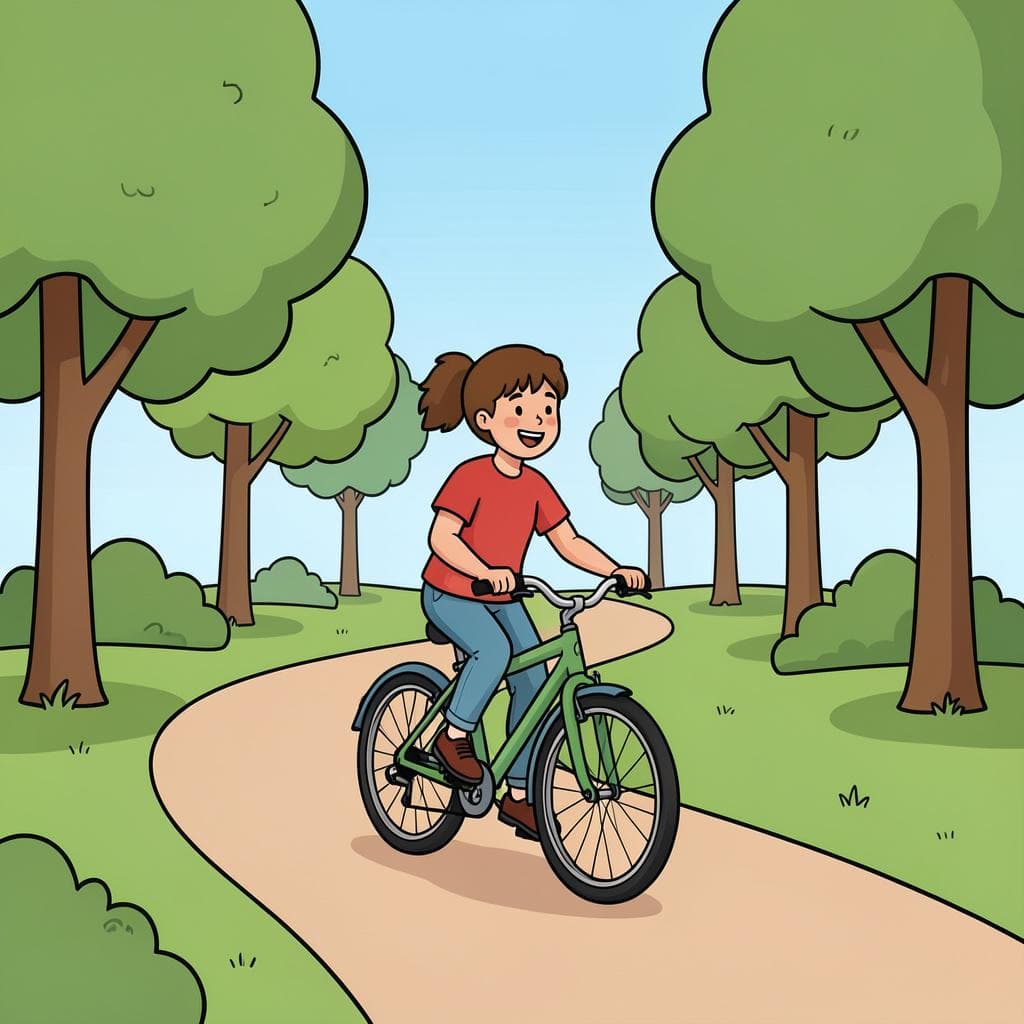
to move myself
Also: to get moving
📝 In Action
Necesito moverme un poco después de estar sentado todo el día.
A2I need to move myself a bit after being seated all day.
No puedo moverme, me duele mucho la espalda.
A2I can't move (myself); my back hurts a lot.
to get around
Also: to travel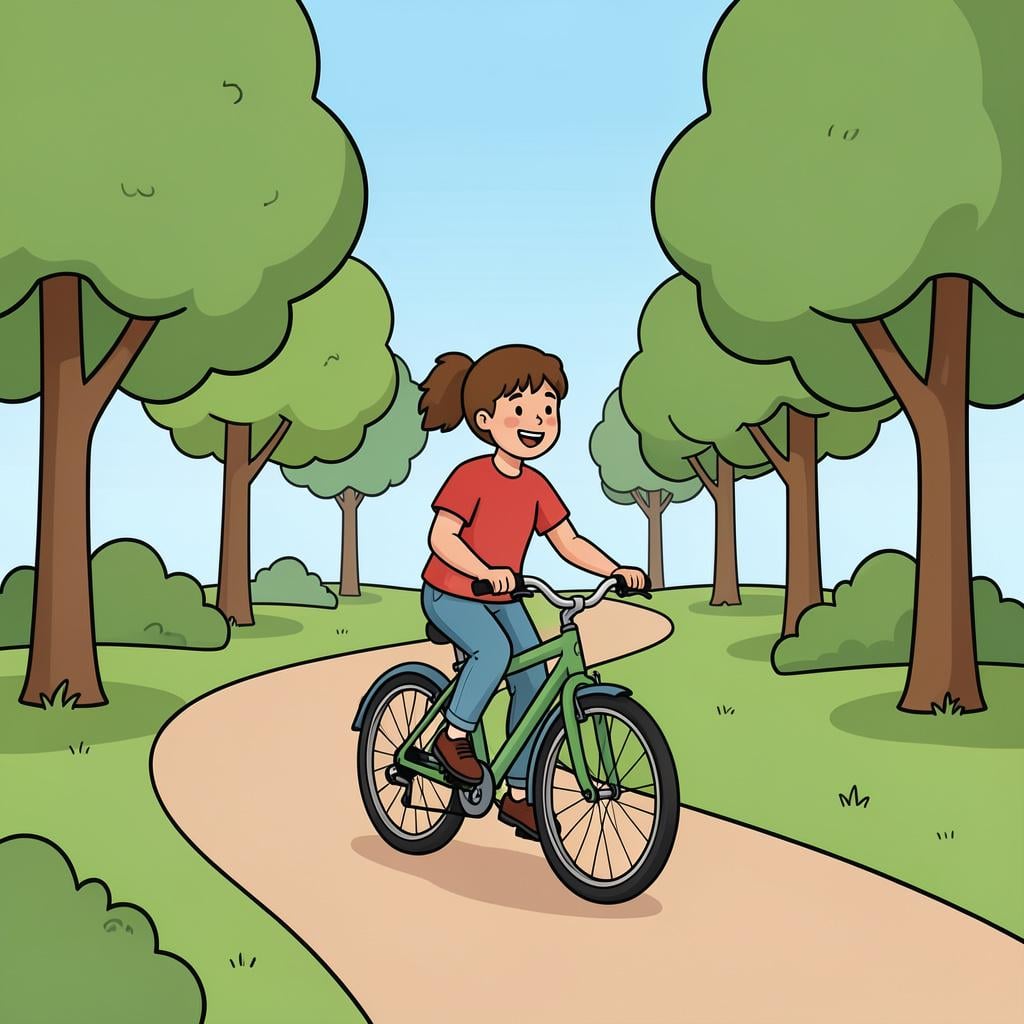
📝 In Action
Prefiero moverme en metro para evitar el tráfico.
B1I prefer to get around by subway to avoid traffic.
Subjunctive
Imperfect Subjunctive
Present Subjunctive
Indicative
Preterite
Imperfect
Present
Translate to Spanish
Words that translate to "moverme" in Spanish:
to travel→✏️ Quick Practice
Quick Quiz: moverme
Question 1 of 2
How would you say 'I need to get moving' (physically) using 'moverme'?
📚 More Resources
👥 Word Family▼
📚 Etymology▼
From the Spanish verb 'mover' (derived from the Latin 'movere', meaning to set in motion) combined with the reflexive pronoun 'me' (from Latin 'me').
First recorded: 13th century (root verb)
Cognates (Related words)
💡 Master Spanish
Take your Spanish to the next level. Read 200+ illustrated and narrated Spanish stories tailored to your level with the Inklingo app!
Frequently Asked Questions
Is 'moverme' different from 'moverse'?
Yes. 'Moverse' is the general name of the action (to move oneself), while 'moverme' specifically means 'to move *myself*'. You use 'moverme' when you are talking about your own body.
Why does the 'o' change to 'ue' sometimes?
This is a common Spanish pattern. In words like 'mover', the 'o' splits into 'ue' whenever the stress falls on that syllable, such as in 'me muevo' (I move).