mueren
“mueren” means “they die” in Spanish. It has 3 different meanings depending on context:
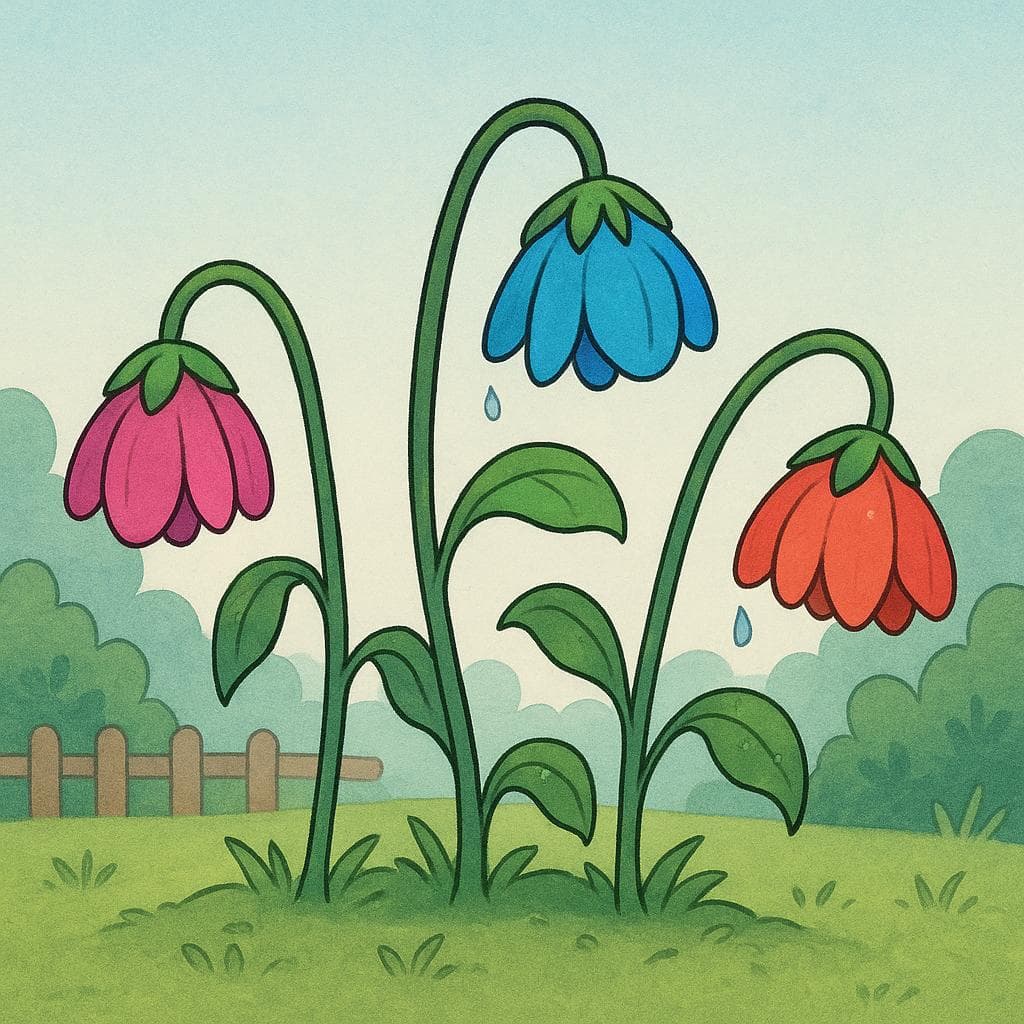
they die, they are dyingAlso: you die
📝 In Action
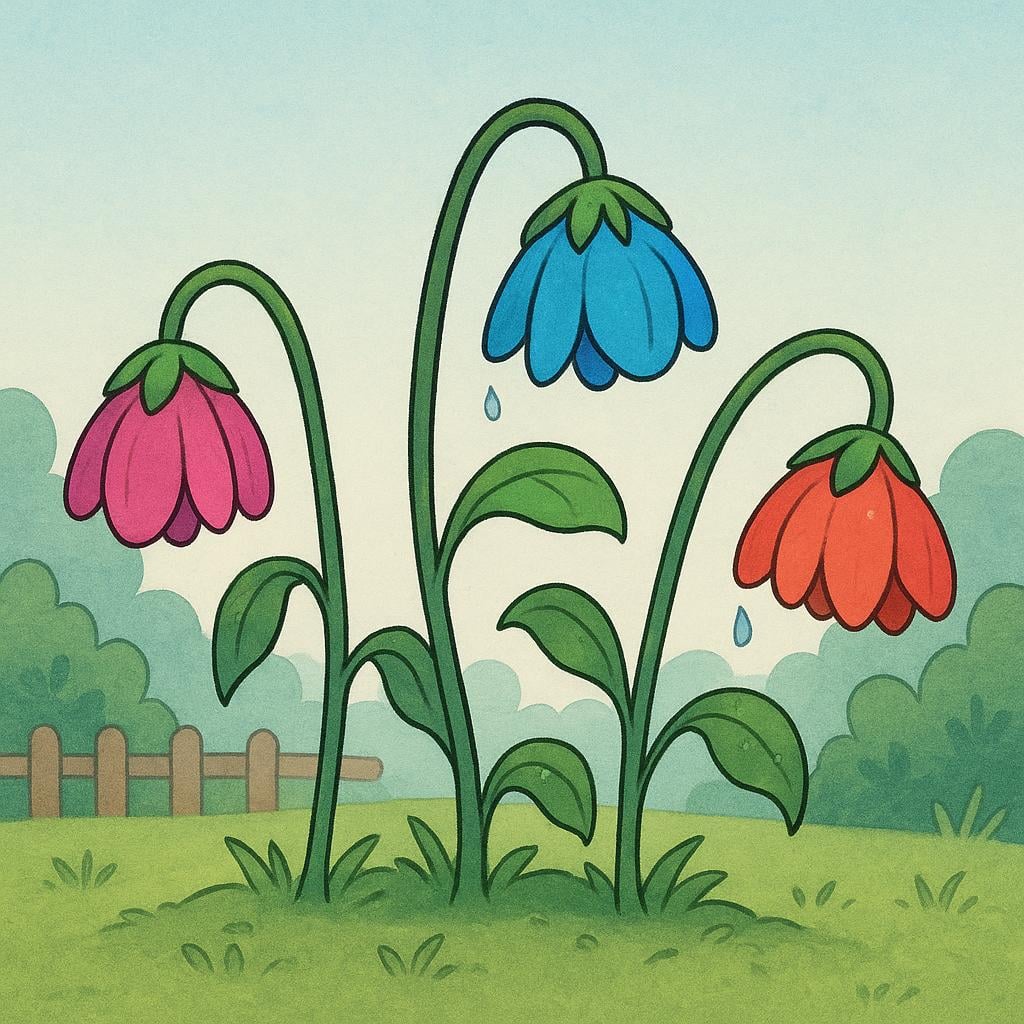
Las flores mueren en invierno si no las cuidas.
A1The flowers die in winter if you don't take care of them.
Dicen que mueren más personas por accidentes que por enfermedades.
A2They say that more people die from accidents than from illnesses.
Ustedes mueren de sed si siguen caminando bajo este sol.
B1You (formal plural) will die of thirst if you keep walking under this sun.
Word Connections
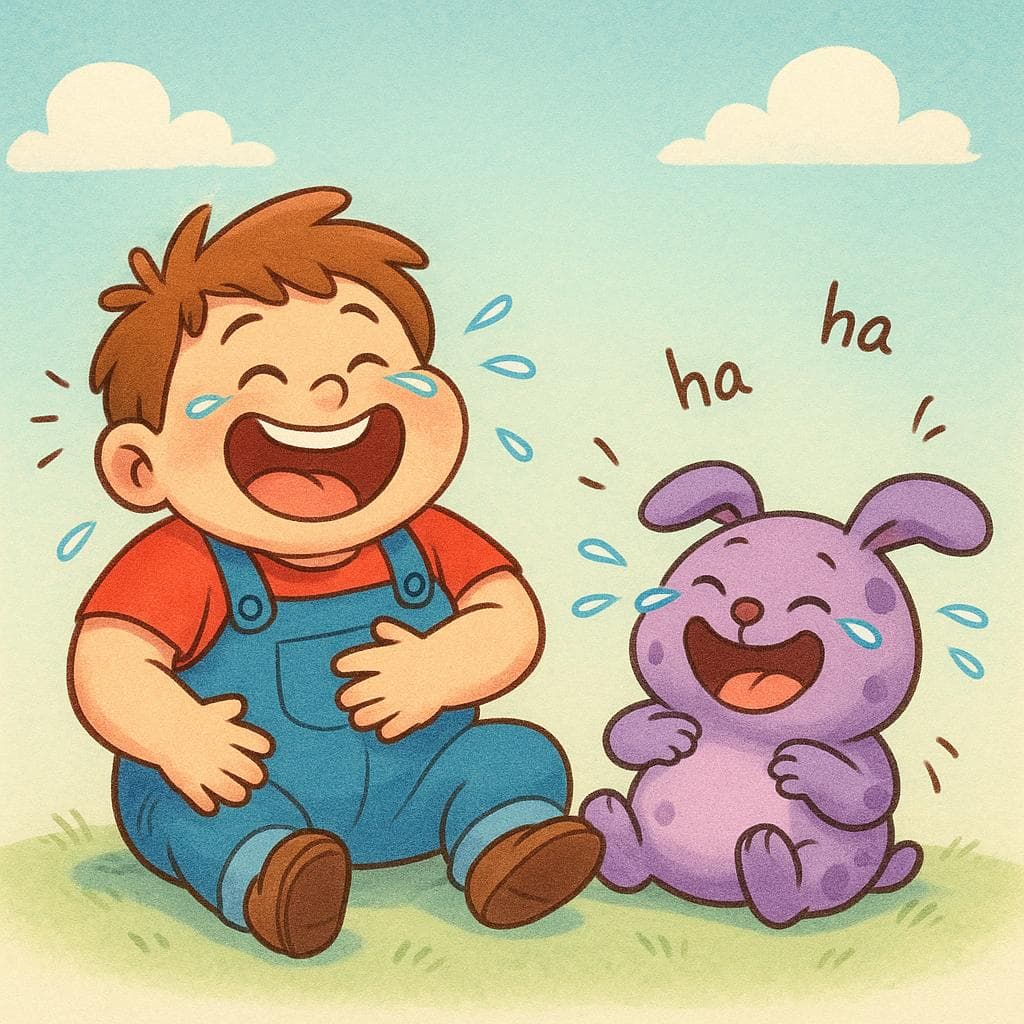
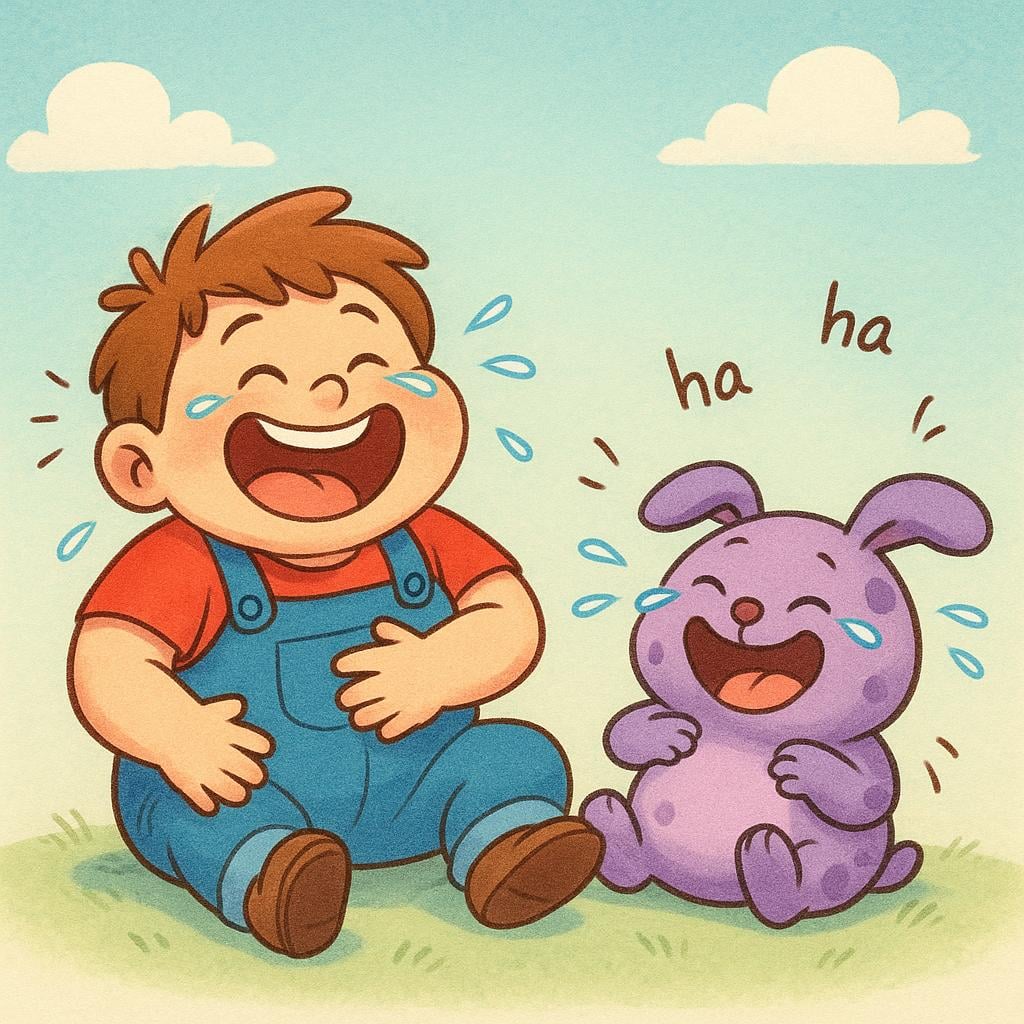
they are dying (of laughter/shame), they are crazy aboutAlso: they are suffering intensely
📝 In Action
Los niños mueren por ir al parque de diversiones.
B1The children are dying to go to the amusement park (they really want to go).
Mis amigos mueren de risa con tus chistes.
B1My friends are dying of laughter at your jokes.
Ellos mueren de vergüenza cuando tienen que hablar en público.
B2They are dying of shame when they have to speak in public.
Word Connections
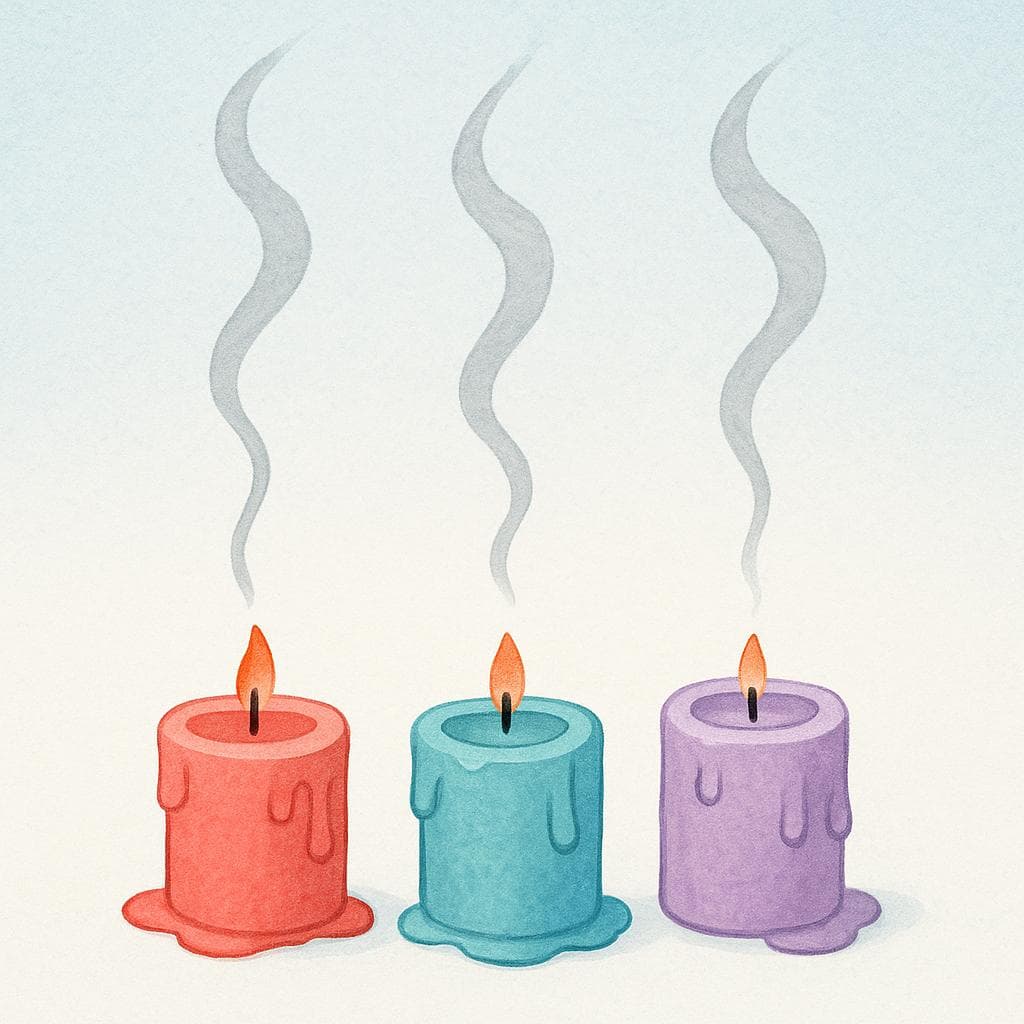
they go out, they stop workingAlso: they fade away

📝 In Action
Las llamas mueren si no hay más oxígeno.
B2The flames go out if there is no more oxygen.
Los colores de la pintura mueren con el tiempo.
C1The colors of the painting fade away (die) over time.
Word Connections
Indicative
Present
Imperfect
Preterite
Subjunctive
Present Subjunctive
Imperfect Subjunctive
✏️ Quick Practice
Quick Quiz: mueren
Question 1 of 2
Which sentence uses 'mueren' in its figurative sense (meaning they really want something)?
📚 More Resources
👥 Word Family
📚 Etymology
The verb 'morir' comes directly from the Latin verb *morīrī*, which meant 'to die.' The root has been consistent for thousands of years, referring to the cessation of life. The change from 'o' to 'ue' (mueren) is a common sound shift that occurred in Spanish as it evolved from Latin.
First recorded: Old Spanish texts (c. 13th century)
Cognates (Related words)
💡 Master Spanish
Take your Spanish to the next level. Read 200+ illustrated and narrated Spanish stories tailored to your level with the Inklingo app!
Frequently Asked Questions
Why is 'mueren' irregular in the present tense?
'Mueren' comes from the verb 'morir,' which is irregular because the vowel 'o' in the middle of the verb changes to 'ue' when stressed. This happens to make the word sound more natural in Spanish, following a historical pattern called a 'stem change' that affects many common verbs.
How do I know if I should use 'mueren' or 'murieron'?
Use 'mueren' (present tense) to talk about something happening now, habitually, or soon (e.g., 'They die easily'). Use 'murieron' (past tense) to talk about an event that finished completely in the past (e.g., 'They died last week').