muero
“muero” means “I die” in Spanish. It has 2 different meanings depending on context:

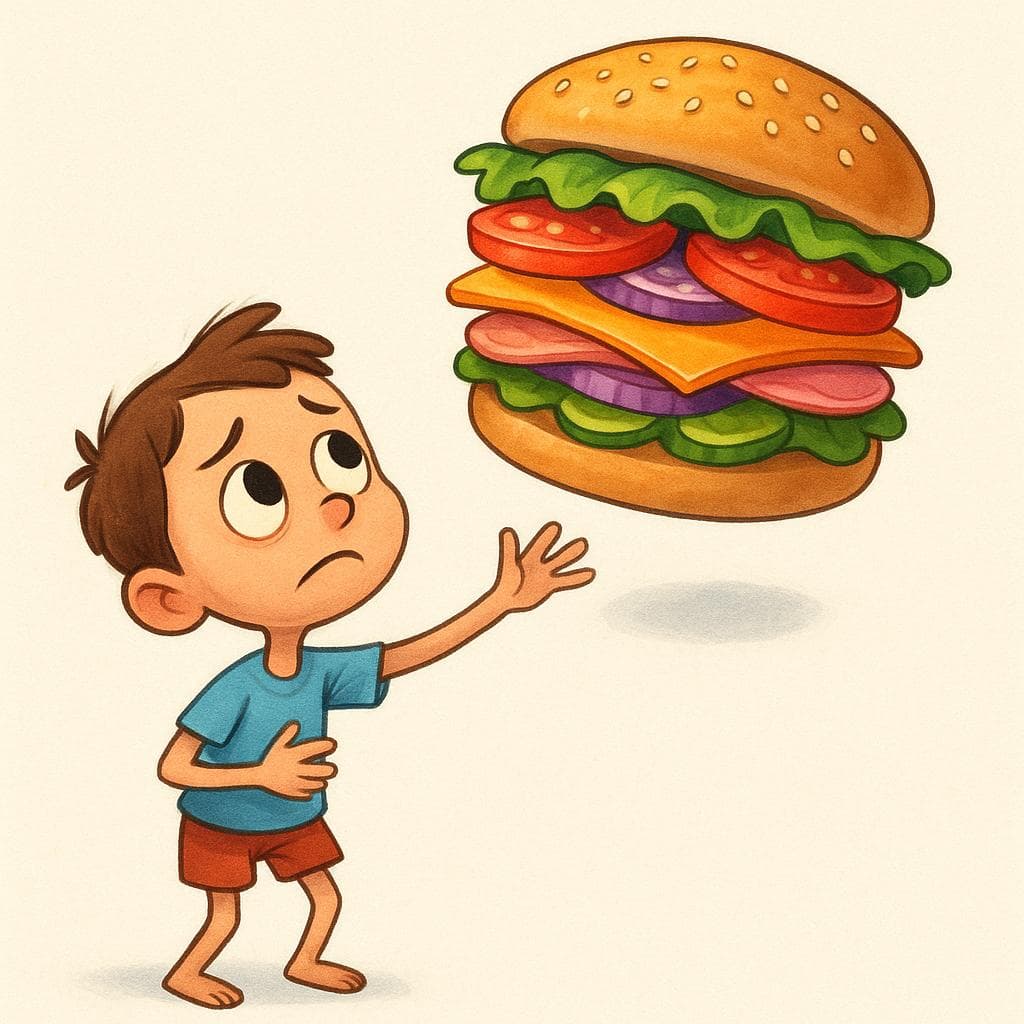
I die, I am dyingAlso: I pass away

📝 In Action
Si no bebo agua, muero de sed.
A2If I don't drink water, I die of thirst (literally or dramatically).
Yo muero por mis ideales.
B1I die for my ideals.
Word Connections
I'm starving, I'm dying toAlso: I'm extremely embarrassed
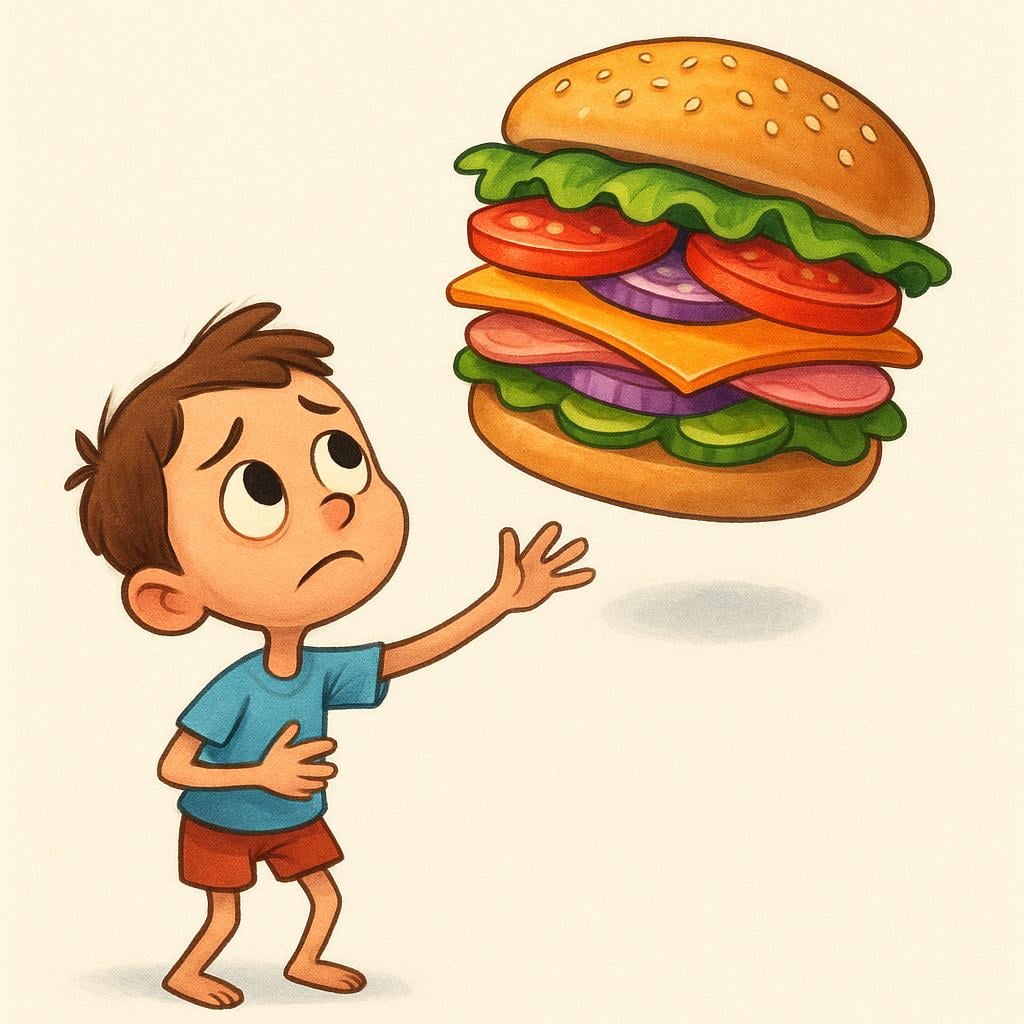
📝 In Action
Muero de hambre, no he comido nada en diez horas.
B1I'm starving, I haven't eaten anything in ten hours.
Muero por probar esa tarta de chocolate.
B2I am dying to try that chocolate cake.
Cuando me caí, ¡muero de vergüenza!
B2When I fell, I was so embarrassed!
Word Connections
Indicative
Present
Imperfect
Preterite
Subjunctive
Present Subjunctive
Imperfect Subjunctive
Translate to Spanish
Words that translate to "muero" in Spanish:
✏️ Quick Practice
Quick Quiz: muero
Question 1 of 1
Which sentence uses 'muero' to express intense hunger?
📚 More Resources
📚 Etymology
The word comes from the Latin verb *morīrī*, which also meant 'to die.' The change from 'o' to 'ue' (muero) is a natural sound shift that happened as Latin evolved into Spanish.
First recorded: Before the 12th century
Cognates (Related words)
💡 Master Spanish
Take your Spanish to the next level. Read 200+ illustrated and narrated Spanish stories tailored to your level with the Inklingo app!
Frequently Asked Questions
Why is 'muero' spelled with 'ue' if the infinitive is 'morir'?
This is because 'morir' is an irregular verb with a stem change. In the present tense, the 'o' in the root often changes to 'ue' (o → ue). This change happens in the 'yo', 'tú', 'él/ella/usted', and 'ellos/ellas/ustedes' forms, but not in 'nosotros' or 'vosotros'.