musical
“musical” means “musical” in Spanish. It has 2 different meanings depending on context:
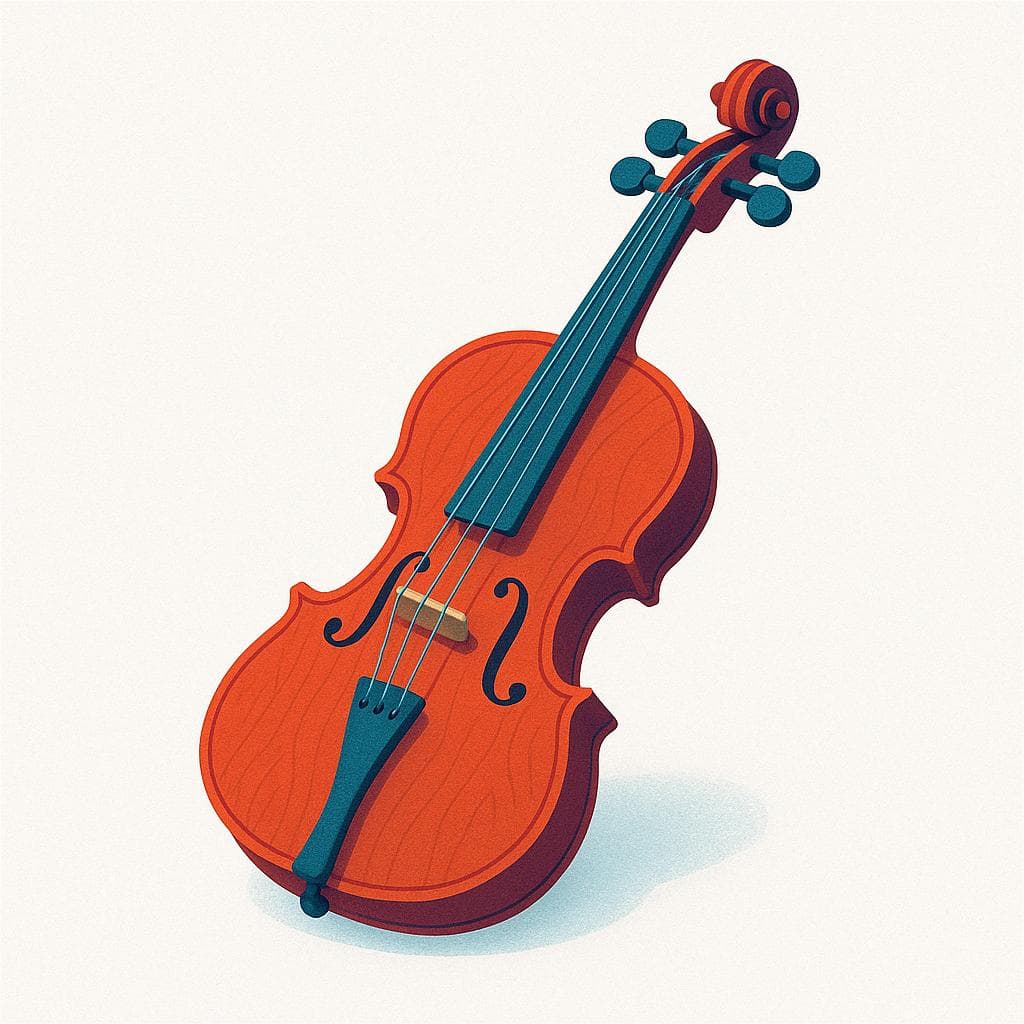

musicalAlso: music-related
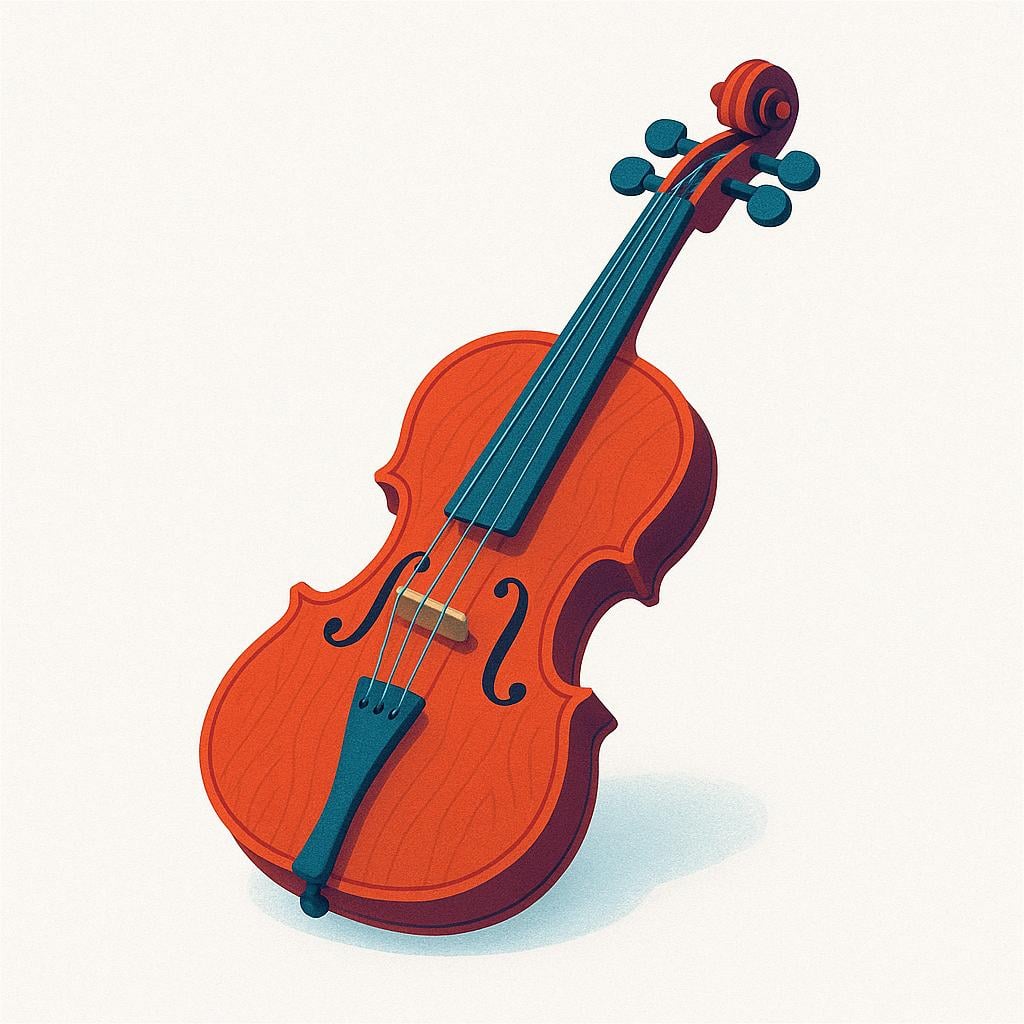
📝 In Action
Ella tiene un oído musical muy fino.
A1She has a very fine musical ear.
La educación musical es importante para el desarrollo.
A2Musical education is important for development.
Necesitamos más instrumentos musicales para la banda.
A1We need more musical instruments for the band.
Word Connections
musicalAlso: musical show

📝 In Action
El Gran Teatro estrenó un nuevo musical de Broadway.
A2The Grand Theater premiered a new Broadway musical.
Me encanta ir a ver musicales; son muy alegres.
A2I love going to see musicals; they are very cheerful.
Este musical tiene canciones pegadizas.
B1This musical has catchy songs.
Word Connections
Translate to Spanish
Words that translate to "musical" in Spanish:
✏️ Quick Practice
Quick Quiz: musical
Question 1 of 1
Which sentence uses 'musical' as a noun (the show)?
📚 More Resources
👥 Word Family
📚 Etymology
The word comes directly from the Latin word *musicalis*, which itself is derived from the Greek root *mousikē* (meaning 'art of the Muses'). It has been part of Spanish since the late Middle Ages.
First recorded: 15th century
Cognates (Related words)
💡 Master Spanish
Take your Spanish to the next level. Read 200+ illustrated and narrated Spanish stories tailored to your level with the Inklingo app!
Frequently Asked Questions
How do I make 'musical' plural?
Since 'musical' ends in a consonant ('l'), you add -es to make it plural. Both the adjective and the noun follow this rule: 'musicales' (e.g., 'los instrumentos musicales' or 'dos musicales').