método
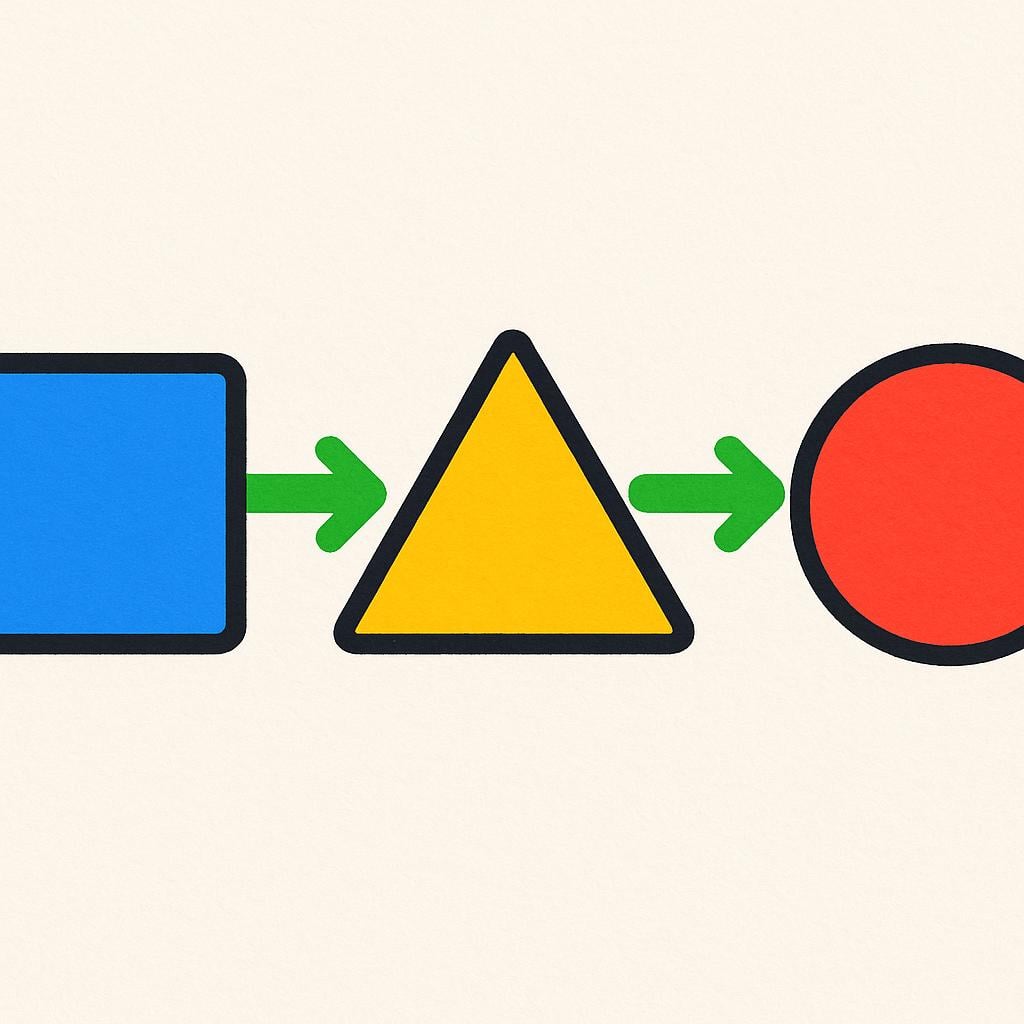
“método” means “method” in Spanish (a procedure or way of doing something).
method, systemAlso: technique, procedure
📝 In Action
Necesitamos un nuevo método para organizar los archivos.
A2We need a new method for organizing the files.
El profesor explicó su método de enseñanza paso a paso.
B1The teacher explained his teaching method step by step.
El método científico requiere observación y experimentación rigurosa.
B2The scientific method requires rigorous observation and experimentation.
No hay un método infalible para aprender idiomas rápidamente, solo práctica constante.
C1There is no infallible method for learning languages quickly, only constant practice.
Word Connections
✏️ Quick Practice
Quick Quiz: método
Question 1 of 2
Which sentence correctly uses 'método'?
📚 More Resources
👥 Word Family
📚 Etymology
'Método' comes from the Latin word *methodus*, which itself originated from the Ancient Greek word *méthodos*. The Greek word literally meant 'pursuit of knowledge' or 'following after,' combining *meta-* (after, along with) and *hodós* (way, road). It has always referred to a path or systematic way of achieving something.
First recorded: 15th century (in Spanish)
Cognates (Related words)
💡 Master Spanish
Take your Spanish to the next level. Read 200+ illustrated and narrated Spanish stories tailored to your level with the Inklingo app!
Frequently Asked Questions
Is 'método' used mainly in formal settings?
While 'método' is common in academic or professional discussions (like 'método científico'), it is also used very often in everyday conversation, such as when discussing 'métodos de estudio' (study methods) or 'métodos de pago' (payment methods). It is a neutral word.
Why does 'método' have an accent mark?
The accent mark on the 'é' is there because the word naturally stresses the third-to-last syllable (mÉ-to-do). Spanish rules require an accent mark whenever the stress falls on that syllable.