núcleo
“núcleo” means “core” in Spanish. It has 2 different meanings depending on context:

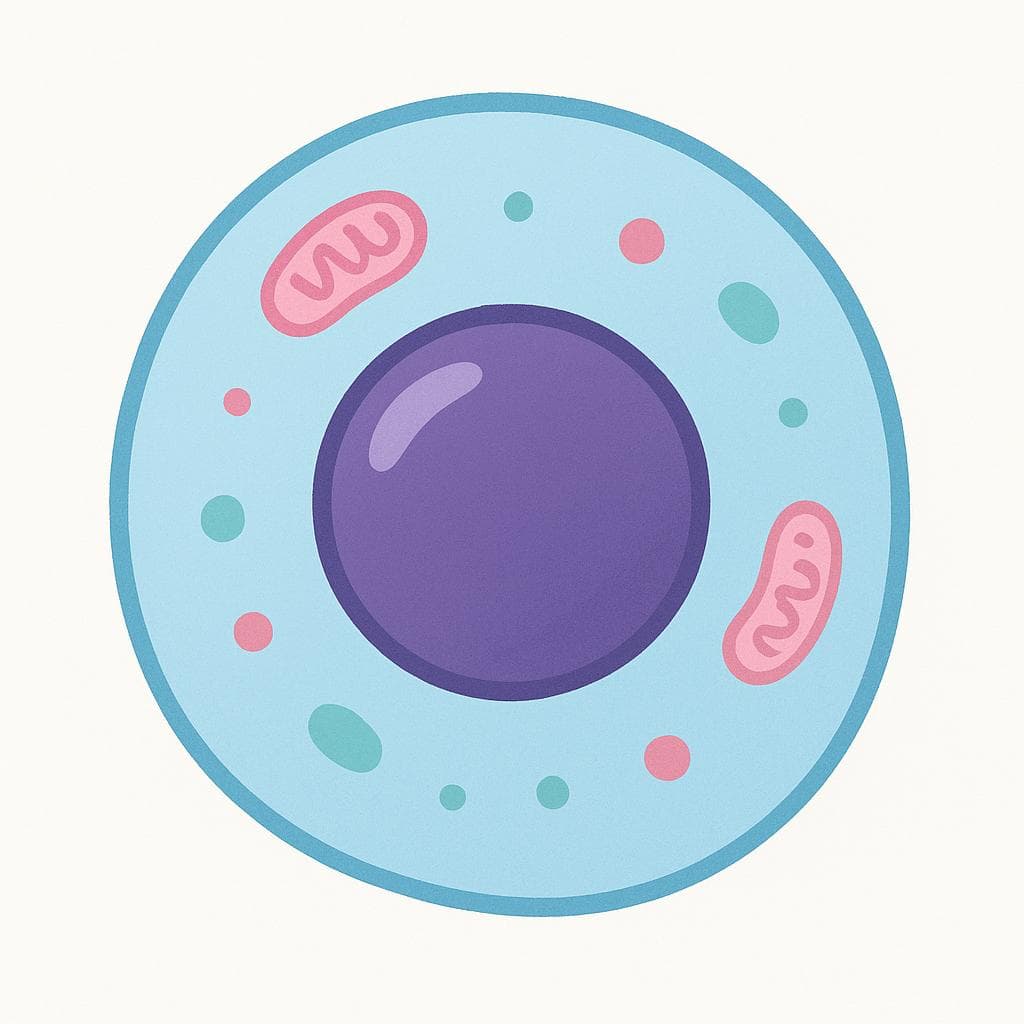
core, heart
Also: essence
📝 In Action
La familia es el núcleo fundamental de la sociedad.
B1The family is the fundamental core of society.
Necesitamos entender el núcleo del problema antes de buscar soluciones.
B2We need to understand the core of the problem before looking for solutions.
El centro de la ciudad es el núcleo comercial.
B1The city center is the commercial hub (core).
nucleus
Also: kernel
📝 In Action
El núcleo de la célula contiene la información genética.
B2The nucleus of the cell contains the genetic information.
En el núcleo del átomo se encuentran los protones y neutrones.
C1Protons and neutrons are found in the atomic nucleus.
Translate to Spanish
Words that translate to "núcleo" in Spanish:
nucleus→✏️ Quick Practice
Quick Quiz: núcleo
Question 1 of 2
Which sentence uses 'núcleo' in its scientific/biological sense?
📚 More Resources
👥 Word Family▼
🎵 Rhymes▼
📚 Etymology▼
Comes from the Latin word *nucleus*, which literally meant 'a little nut' or 'kernel.' This word came to mean the essential center or heart of something.
First recorded: 15th century (via scientific use)
Cognates (Related words)
💡 Master Spanish
Take your Spanish to the next level. Read 200+ illustrated and narrated Spanish stories tailored to your level with the Inklingo app!
Frequently Asked Questions
How do I know when to use 'núcleo' versus 'centro'?
Use 'centro' when talking about a physical location (the center of the city, the center of the table). Use 'núcleo' when talking about the essential nature, the core group, or the driving force behind something (the core of the family, the nucleus of the problem). 'Núcleo' is almost always about essence, not just location.
Is 'núcleo' always masculine?
Yes, 'núcleo' is a masculine noun, so you always use 'el núcleo' or 'un núcleo,' even though the ending '-o' is sometimes shared by feminine words (like 'la mano').