nuclear
“nuclear” means “nuclear” in Spanish. It has 2 different meanings depending on context:
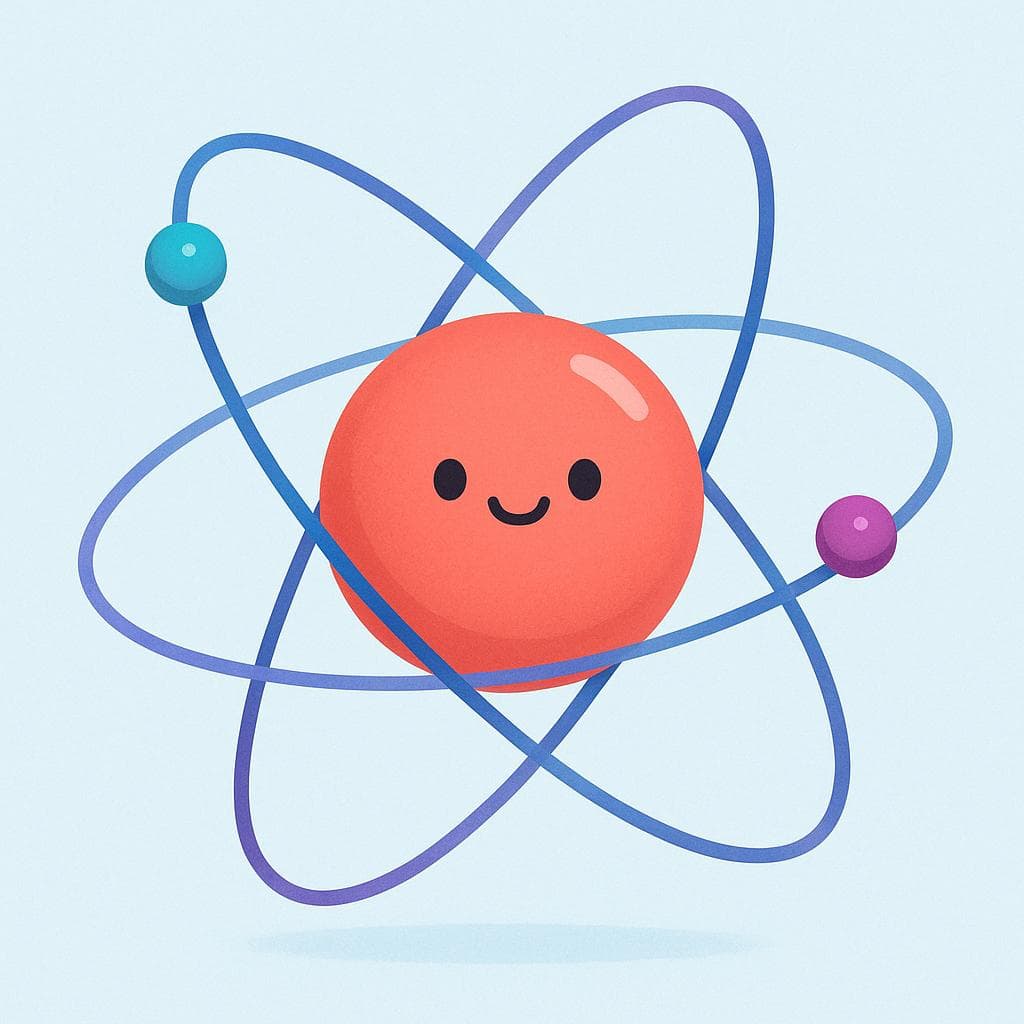

nuclear
Also: atomic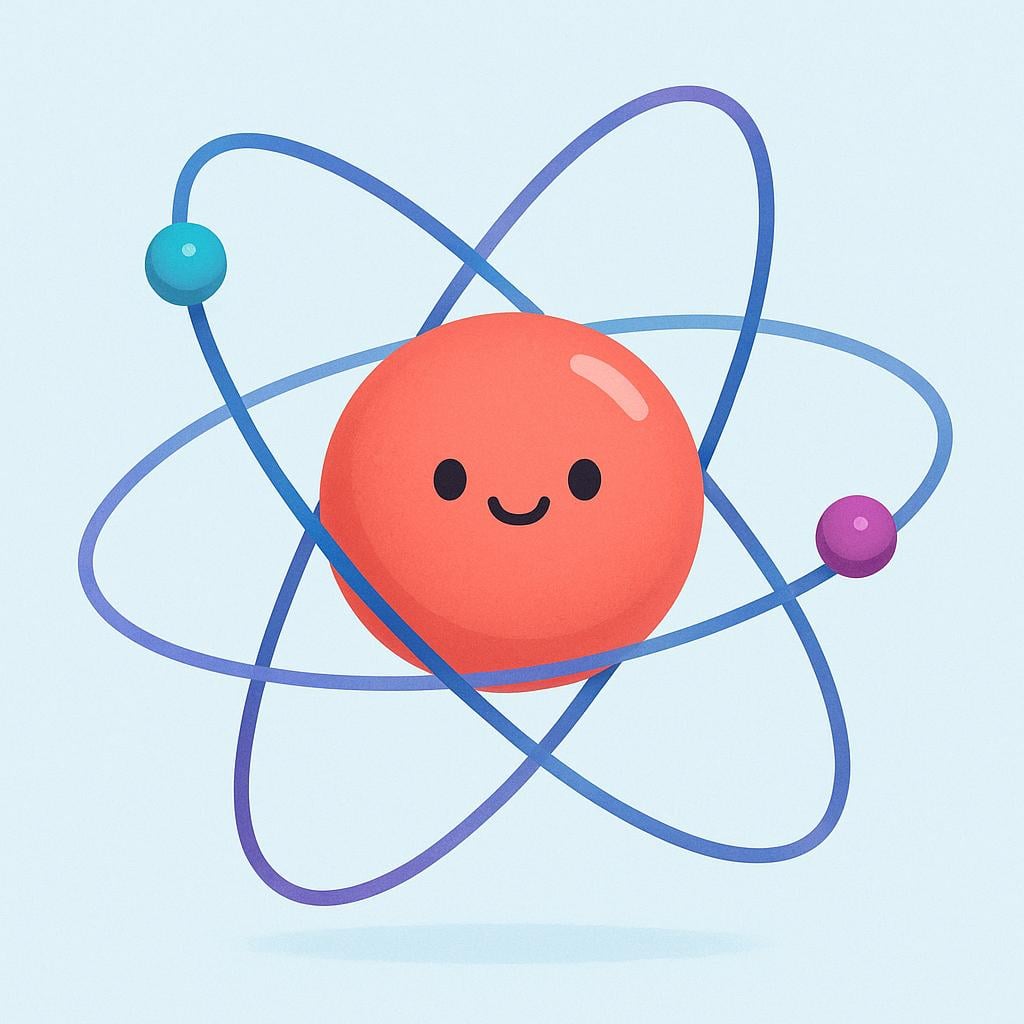
📝 In Action
El reactor nuclear genera energía sin emitir carbono.
B2The nuclear reactor generates energy without emitting carbon.
El acuerdo limitó el desarrollo de armas nucleares.
C1The agreement limited the development of nuclear weapons.
nuclear
Also: core
📝 In Action
La familia nuclear tradicional incluye solo a los padres y a sus hijos inmediatos.
B1The traditional nuclear family only includes the parents and their immediate children.
Este es el componente nuclear de nuestro plan de negocios.
B2This is the core component of our business plan.
✏️ Quick Practice
Quick Quiz: nuclear
Question 1 of 1
Which sentence uses 'nuclear' in the context of the basic family structure?
📚 More Resources
👥 Word Family▼
📚 Etymology▼
Comes from the Latin word 'nucleus,' which literally means 'kernel' or 'little nut.' This word was chosen because both the center of an atom and the immediate family unit are considered the essential, central core.
First recorded: Mid-20th century (in the context of physics and atomic energy)
Cognates (Related words)
💡 Master Spanish
Take your Spanish to the next level. Read 200+ illustrated and narrated Spanish stories tailored to your level with the Inklingo app!
Frequently Asked Questions
Does 'nuclear' change for masculine and feminine nouns?
No, 'nuclear' is an adjective that stays the same whether the noun is masculine (el reactor nuclear) or feminine (la energía nuclear). You only need to change it to 'nucleares' for plural nouns.
What is the difference between 'nuclear' and 'atómico'?
They are often interchangeable when discussing energy or weapons, but 'nuclear' is more common and focuses specifically on the center (the nucleus), while 'atómico' refers to the atom as a whole.