ocupa
“ocupa” means “occupies” in Spanish. It has 2 different meanings depending on context:

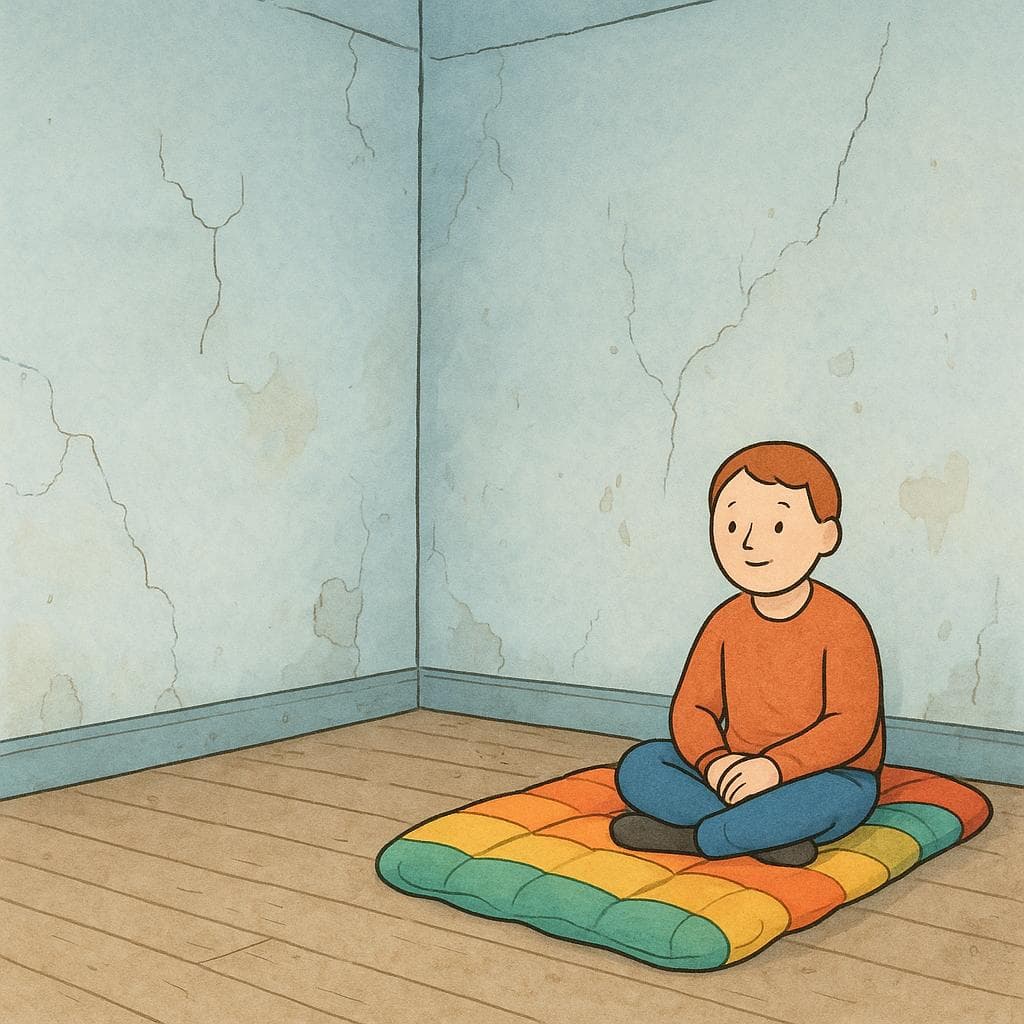
occupies, is busy
Also: holds (a position), takes care of
📝 In Action
Mi trabajo me ocupa mucho tiempo libre.
A2My job takes up a lot of my free time.
Ella ocupa el puesto de directora de marketing.
B1She holds the position of marketing director.
¿Quién ocupa ese asiento? Está reservado.
A1Who is occupying that seat? It's reserved.
squatter
Also: illegal occupant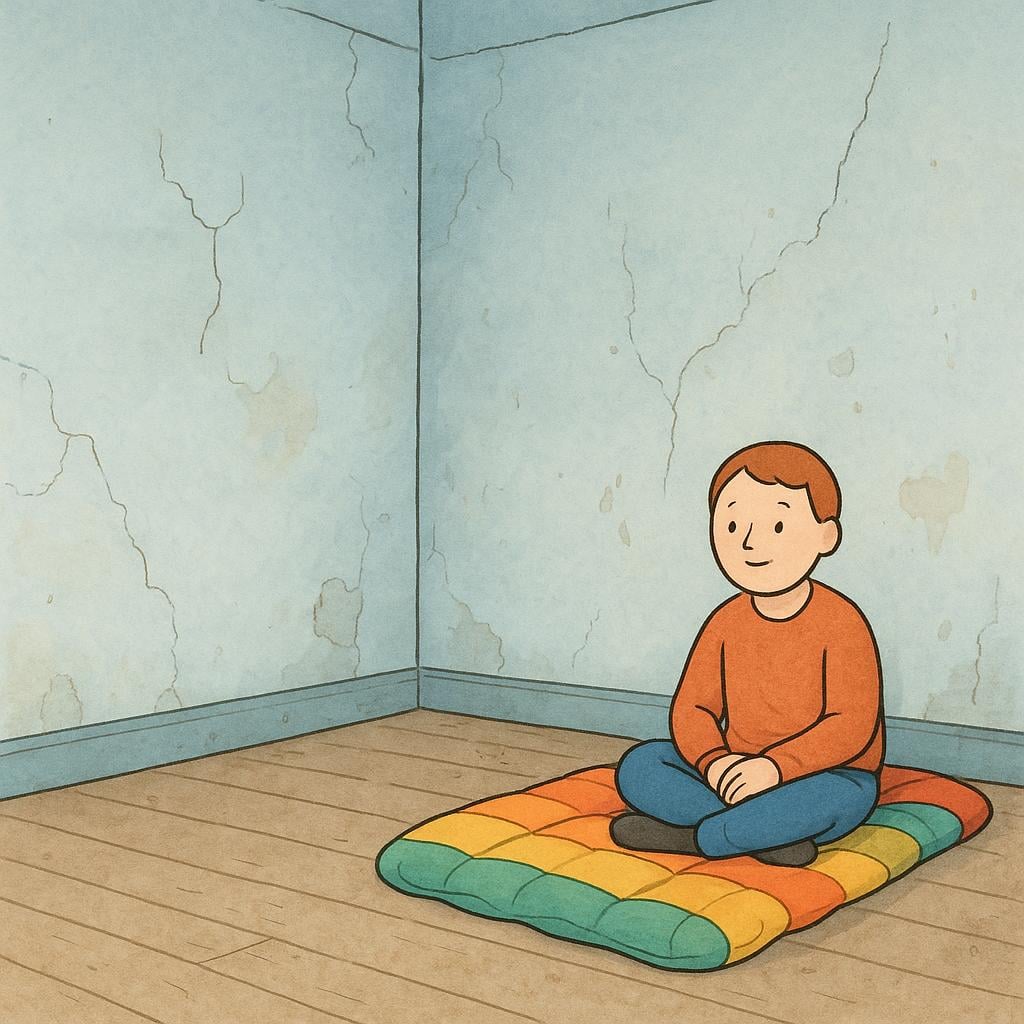
📝 In Action
El ayuntamiento intenta negociar con los ocupas del edificio.
B2The city council is trying to negotiate with the squatters in the building.
Una ocupa denunció que la vivienda estaba en mal estado.
C1A female squatter reported that the dwelling was in poor condition.
Indicative
Present
Imperfect
Preterite
Subjunctive
Present Subjunctive
Imperfect Subjunctive
Translate to Spanish
✏️ Quick Practice
Quick Quiz: ocupa
Question 1 of 2
Which sentence uses 'ocupa' as a noun (meaning squatter)?
📚 More Resources
👥 Word Family▼
🎵 Rhymes▼
📚 Etymology▼
The word comes from the Latin verb *occupāre*, meaning 'to seize, take possession of, or fill up.' The noun meaning (squatter) is a very recent evolution, taking the simple verb form 'he/she occupies' and using it to name the person performing the action.
First recorded: The verb form is ancient (Medieval Spanish); the noun 'ocupa' gained widespread use in Spain in the late 20th century.
Cognates (Related words)
💡 Master Spanish
Take your Spanish to the next level. Read 200+ illustrated and narrated Spanish stories tailored to your level with the Inklingo app!
Frequently Asked Questions
Is 'ocupa' a formal or informal word?
The verb form of 'ocupa' (he/she occupies) is completely neutral and can be used in any situation. However, the noun 'un ocupa' (squatter) is informal and often appears in contexts related to social issues or activism.
How is the noun 'ocupa' different from 'ocupante'?
'Ocupante' is a neutral, formal term for anyone who is occupying a place (e.g., 'the occupant of the car'). 'Ocupa' specifically refers to someone who is illegally occupying a vacant property, usually without permission.