olvidaste
“olvidaste” means “you forgot” in Spanish (informal singular past tense).
you forgot, you left behind
Also: did you forget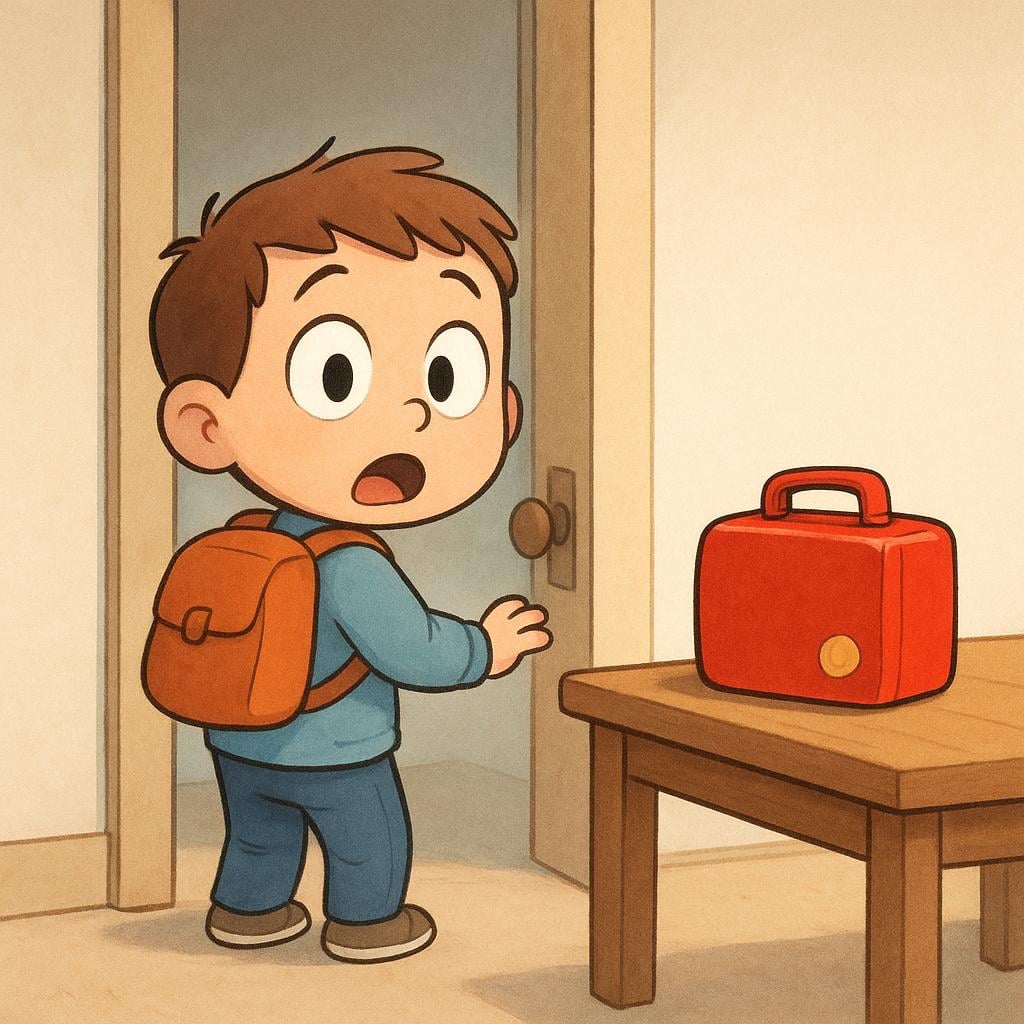
📝 In Action
¿Olvidaste mi cumpleaños? ¡No puede ser!
A2You forgot my birthday? It can't be!
Olvidaste la cartera en el coche, ten cuidado.
A2You left your wallet in the car, be careful.
Pensé que lo harías, pero olvidaste terminar el informe a tiempo.
B1I thought you would do it, but you forgot to finish the report on time.
Indicative
Present
Imperfect
Preterite
Subjunctive
Present Subjunctive
Imperfect Subjunctive
Translate to Spanish
Words that translate to "olvidaste" in Spanish:
you forgot→✏️ Quick Practice
Quick Quiz: olvidaste
Question 1 of 2
Which sentence uses 'olvidaste' correctly?
📚 More Resources
👥 Word Family▼
🎵 Rhymes▼
📚 Etymology▼
The verb *olvidar* comes from the Latin verb *oblītāre*, meaning 'to cause to forget.' The root is related to concepts of 'obliteration' or 'being wiped clean' from the mind.
First recorded: 13th century
Cognates (Related words)
💡 Master Spanish
Take your Spanish to the next level. Read 200+ illustrated and narrated Spanish stories tailored to your level with the Inklingo app!
Frequently Asked Questions
Can I use 'olvidaste' when talking to my boss?
No. 'Olvidaste' is the informal 'tú' form. When speaking to a boss, teacher, or elder, you should use the formal 'usted' form, which is 'olvidó' (Usted olvidó).
Is 'olvidaste' a stem-changing verb?
No, 'olvidar' is a regular -AR verb. Its stem (olvid-) remains the same throughout its conjugations, making it easy to learn.