olvídate
“olvídate” means “forget it” in Spanish. It has 2 different meanings depending on context:

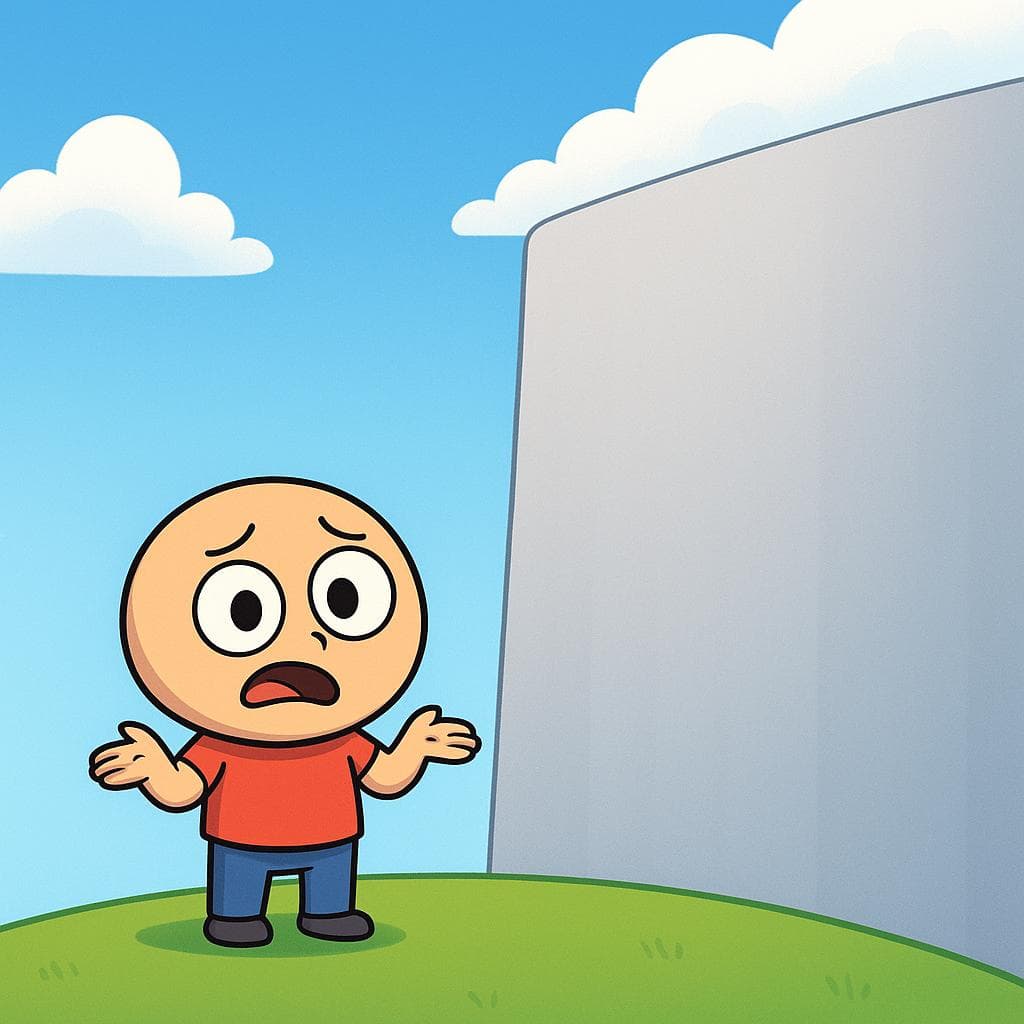
forget itAlso: stop worrying, drop it

📝 In Action
Olvídate de la llave. La encontramos después.
A2Forget about the key. We'll find it later.
Tienes que olvidarte de lo que pasó ayer.
B1You have to forget what happened yesterday. (Note: this uses the infinitive form)
Olvídate de ese chico, no te conviene.
B2Forget about that guy, he's not right for you.
Word Connections
No way!, Forget it!Also: Don't even think about it

📝 In Action
¿Me prestarías tu coche nuevo? ¡Olvídate!
B2Would you lend me your new car? Forget it!
Olvídate, nunca vamos a terminar este proyecto a tiempo.
C1Forget it (or: No chance), we are never going to finish this project on time.
Word Connections
Indicative
Present
Imperfect
Preterite
Subjunctive
Present Subjunctive
Imperfect Subjunctive
Translate to Spanish
Words that translate to "olvídate" in Spanish:
✏️ Quick Practice
Quick Quiz: olvídate
Question 1 of 2
Which sentence correctly uses 'olvídate'?
📚 More Resources
👥 Word Family
🎵 Rhymes
📚 Etymology
The verb 'olvidar' comes from the Vulgar Latin *oblitare*, which itself is derived from the Classical Latin word *oblivisci*, meaning 'to forget'. The Spanish word keeps the core sense of letting something slip from memory.
First recorded: 13th century
Cognates (Related words)
💡 Master Spanish
Take your Spanish to the next level. Read 200+ illustrated and narrated Spanish stories tailored to your level with the Inklingo app!
Frequently Asked Questions
Why does 'olvídate' have an accent mark (tílde)?
'Olvídate' is the affirmative command 'olvida' with the pronoun 'te' attached. In Spanish, when a pronoun is added to a verb form, the original stress must be preserved. Since 'olvida' stresses the 'i', the accent mark is needed to keep the stress on the third-to-last syllable when 'te' is added.
What is the difference between 'olvidar' and 'olvidarse'?
'Olvidar' is usually used when you forget a specific piece of information or item ('Olvidé el libro' - I forgot the book). 'Olvidarse' (the root of 'olvídate') is reflexive and often implies forgetting something completely or letting it slip from your mind, and it usually requires the little word 'de' (of/about).