oscuras
“oscuras” means “dark” in Spanish. It has 2 different meanings depending on context:


dark, dim
Also: gloomy
📝 In Action
Las nubes son muy oscuras hoy; parece que va a llover.
A1The clouds are very dark today; it looks like it’s going to rain.
Pintaron las paredes de colores oscuras para darle un toque dramático.
A2They painted the walls in dark colors to give it a dramatic touch.
in the dark, blindly
Also: secretly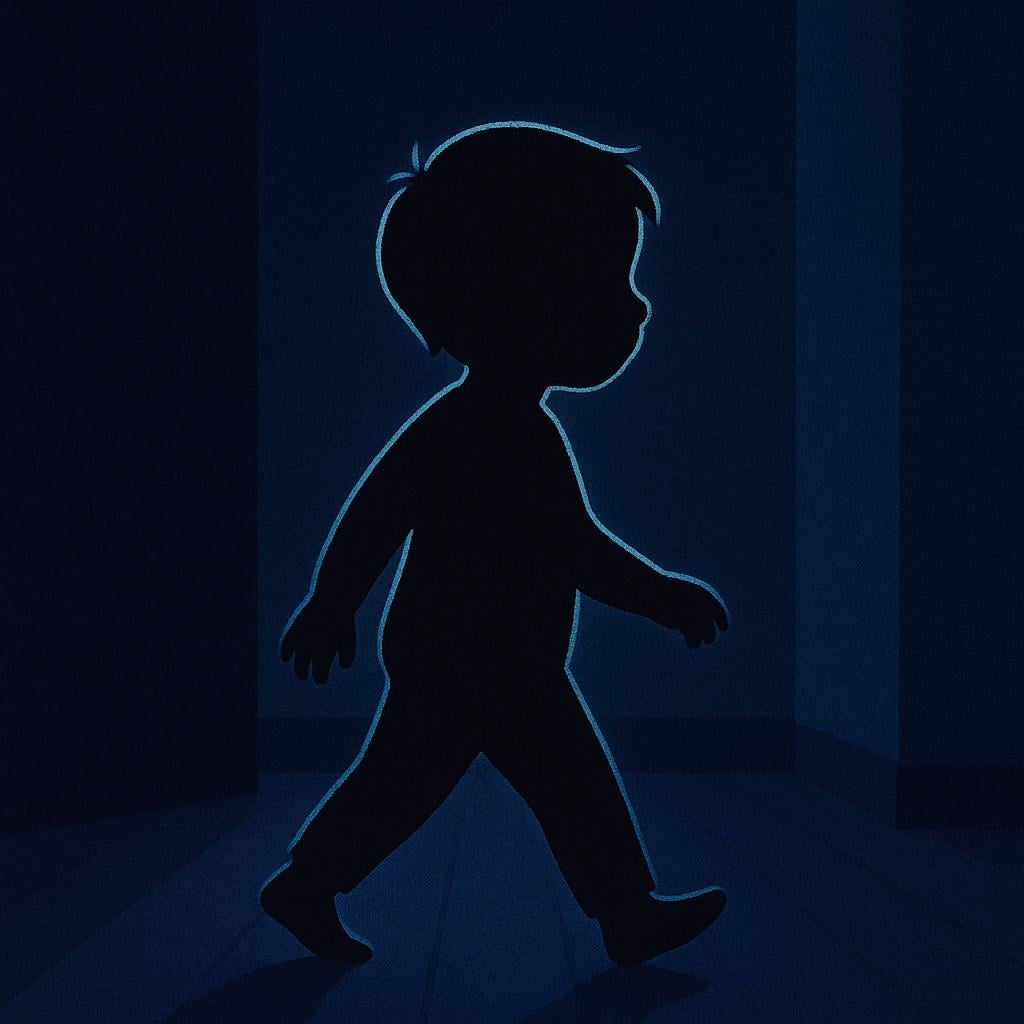
📝 In Action
Se fue la luz y tuvimos que cenar a oscuras.
B1The power went out and we had to eat dinner in the dark.
No puedes tomar una decisión tan importante a oscuras.
B2You can't make such an important decision blindly (without knowing the facts).
✏️ Quick Practice
Quick Quiz: oscuras
Question 1 of 2
Which sentence correctly uses 'oscuras' to mean 'without light'?
📚 More Resources
👥 Word Family▼
📚 Etymology▼
The word comes directly from the Latin *obscūrus*, meaning 'dark' or 'covered.' The feminine plural form 'oscuras' is maintained in the adverbial phrase 'a oscuras' (in the dark), which has been fixed in Spanish for centuries.
First recorded: 13th century
Cognates (Related words)
💡 Master Spanish
Take your Spanish to the next level. Read 200+ illustrated and narrated Spanish stories tailored to your level with the Inklingo app!
Frequently Asked Questions
Why is the phrase 'a oscuras' always plural and feminine?
This is a historical quirk! The phrase 'a oscuras' started as a reference to 'dark places' or 'dark things' (las oscuras), but over time, it became a single, fixed phrase that acts like an adverb (like 'quickly' or 'slowly') and never changes, regardless of who is doing the action.