oscuros
“oscuros” means “dark” in Spanish. It has 2 different meanings depending on context:
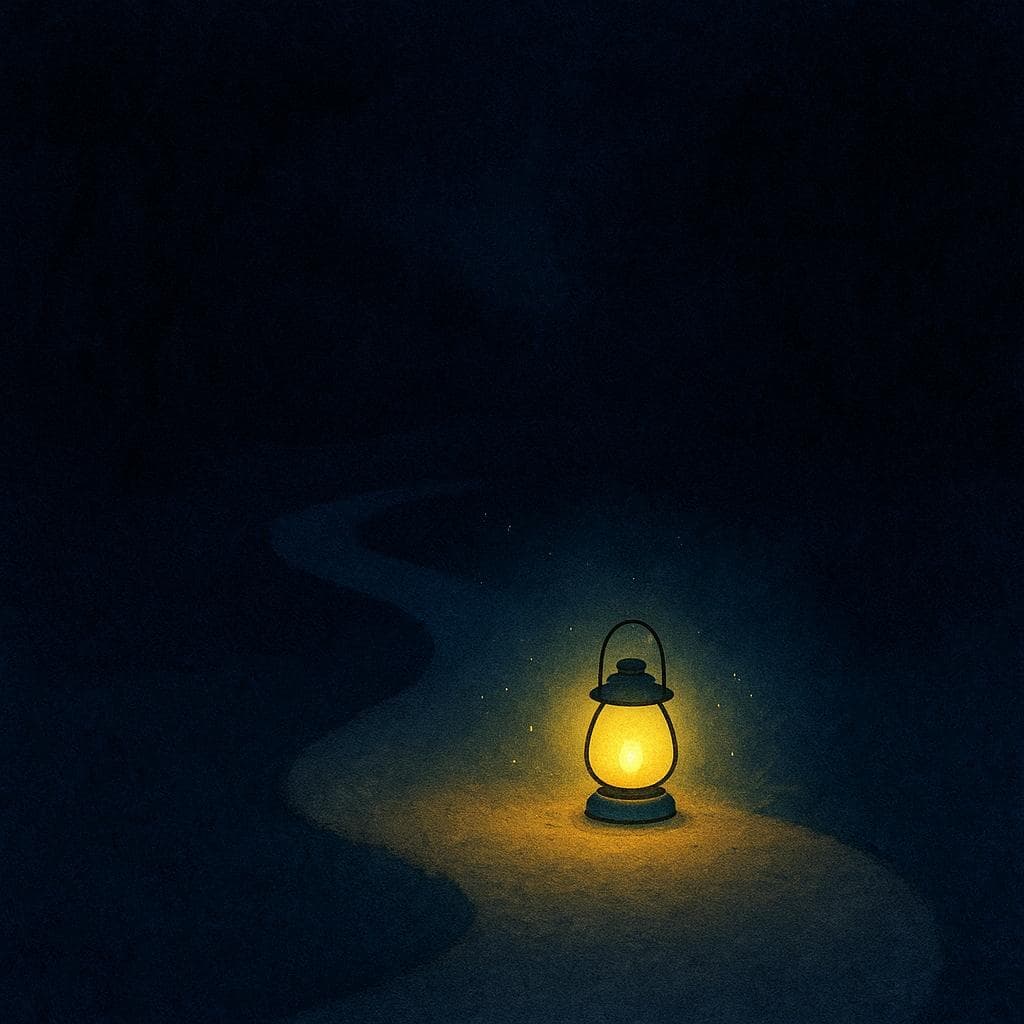
dark, dim
Also: deep
📝 In Action
Los pasillos del castillo eran muy oscuros y fríos.
A1The corridors of the castle were very dark and cold.
Prefiero los colores oscuros para la ropa de invierno.
A2I prefer dark colors for winter clothes.
obscure, mysterious
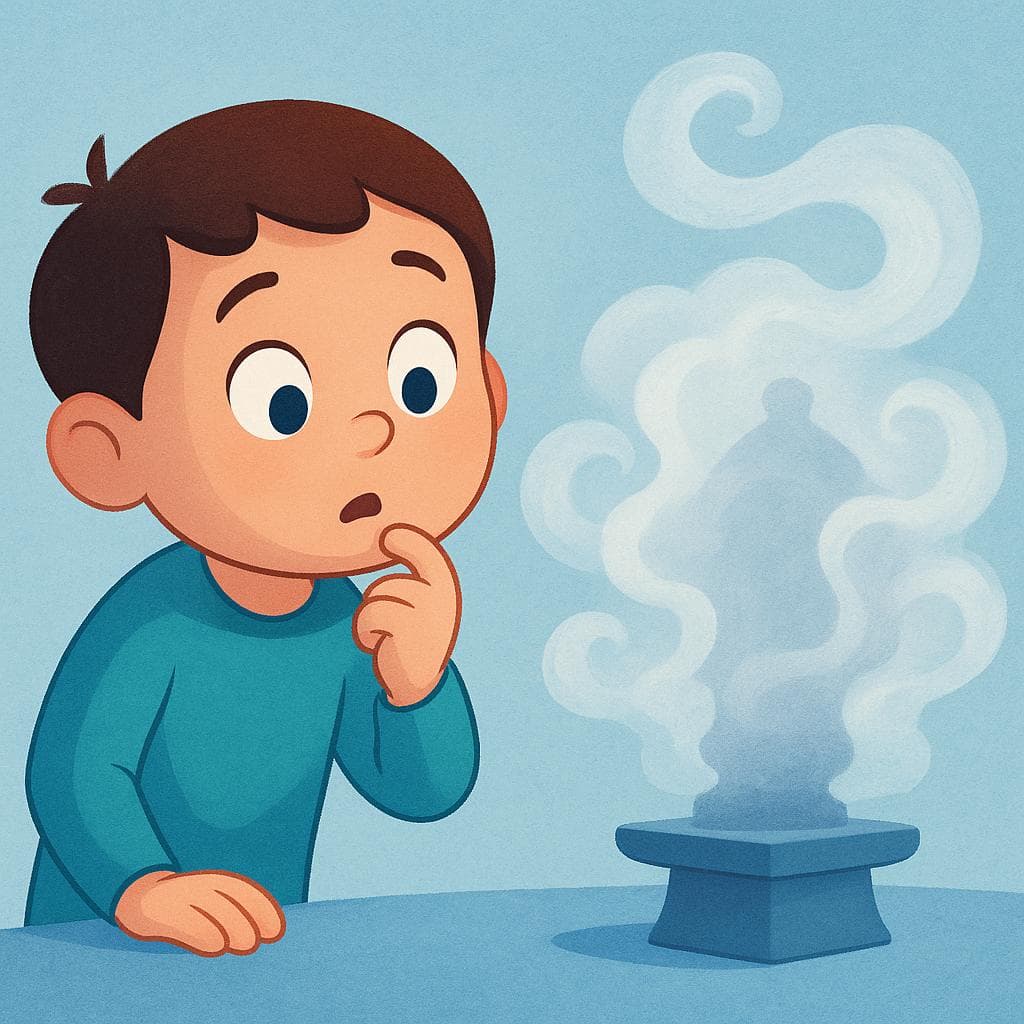
Also: shady, murky
📝 In Action
Los detalles de su pasado permanecen oscuros.
B2The details of his past remain obscure/hidden.
Tienen intereses oscuros en ese negocio.
C1They have shady/hidden interests in that business.
✏️ Quick Practice
Quick Quiz: oscuros
Question 1 of 2
Which sentence uses 'oscuros' to mean 'mysterious' or 'hidden', rather than simply 'lacking light'?
📚 More Resources
👥 Word Family▼
🎵 Rhymes▼
📚 Etymology▼
The word comes directly from the Latin word *obscūrus*, meaning 'dark, murky, unclear, or hidden.' This connection explains both the literal (lack of light) and figurative (unclear) meanings in Spanish.
First recorded: Likely in use since the earliest forms of Spanish (around the 13th century).
Cognates (Related words)
💡 Master Spanish
Take your Spanish to the next level. Read 200+ illustrated and narrated Spanish stories tailored to your level with the Inklingo app!
Frequently Asked Questions
Is 'oscuros' only used for physical darkness?
No. While its most common use is describing a physical lack of light (dark rooms, dark colors), it is frequently used to describe abstract concepts like intentions, secrets, or periods of history that are mysterious, unclear, or morally bad.
How do I know whether to use 'oscuros' or 'oscuras'?
'Oscuros' is masculine plural. Use it when describing masculine plural nouns (like 'ojos' or 'pasillos'). If the noun is feminine plural (like 'noches' or 'sombras'), you must use 'oscuras'.