palos
“palos” means “sticks” in Spanish. It has 4 different meanings depending on context:
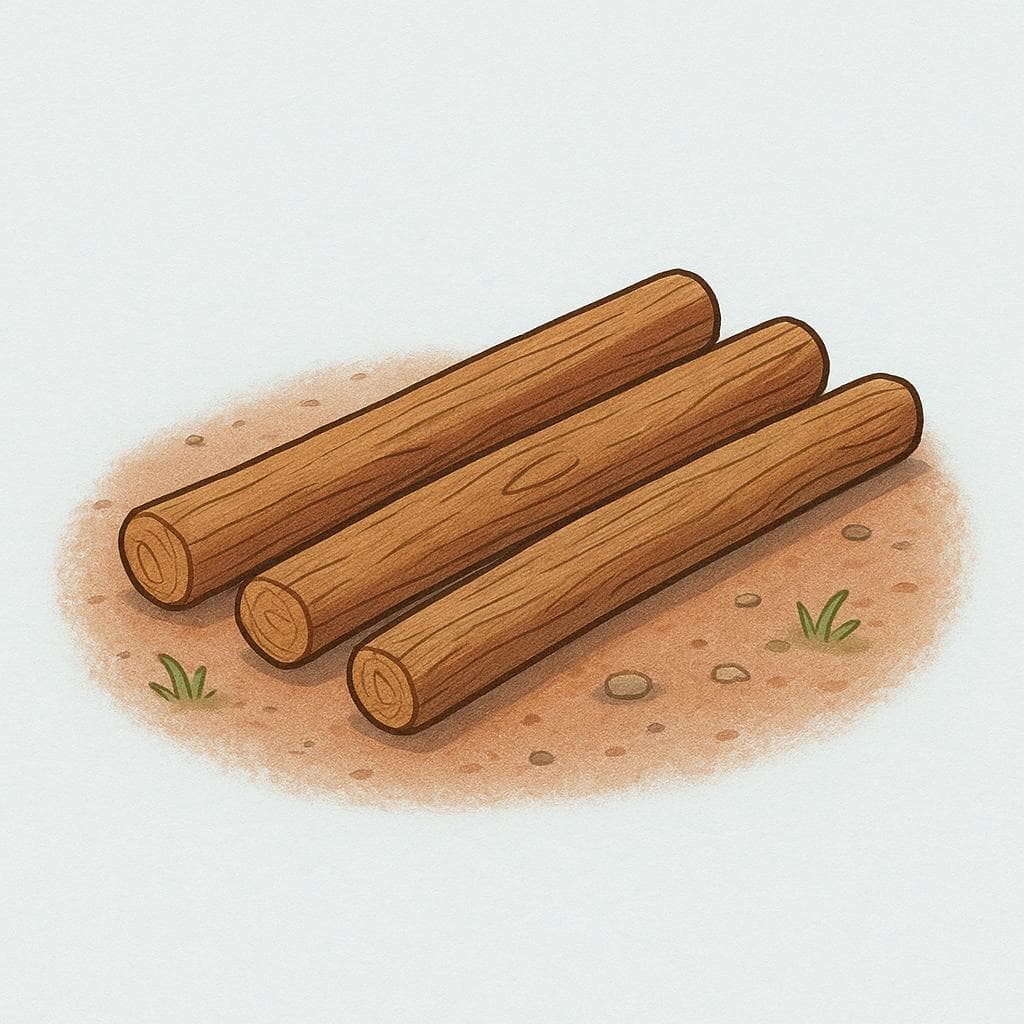

sticks, poles
Also: clubs, masts
📝 In Action
Recogimos muchos palos para hacer una fogata.
A1We collected many sticks to make a bonfire.
Los palos de la bandera eran de metal.
A2The flag poles were made of metal.
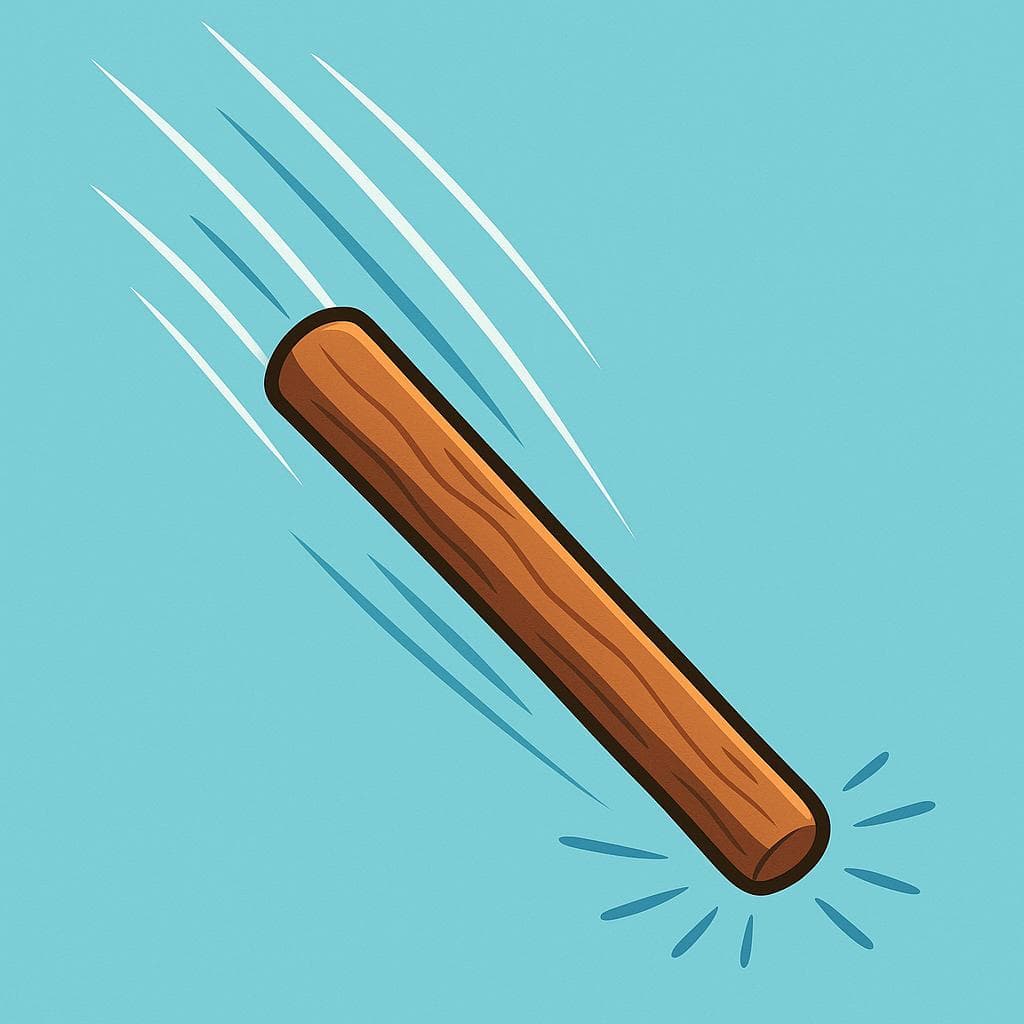
blows, hits
Also: beating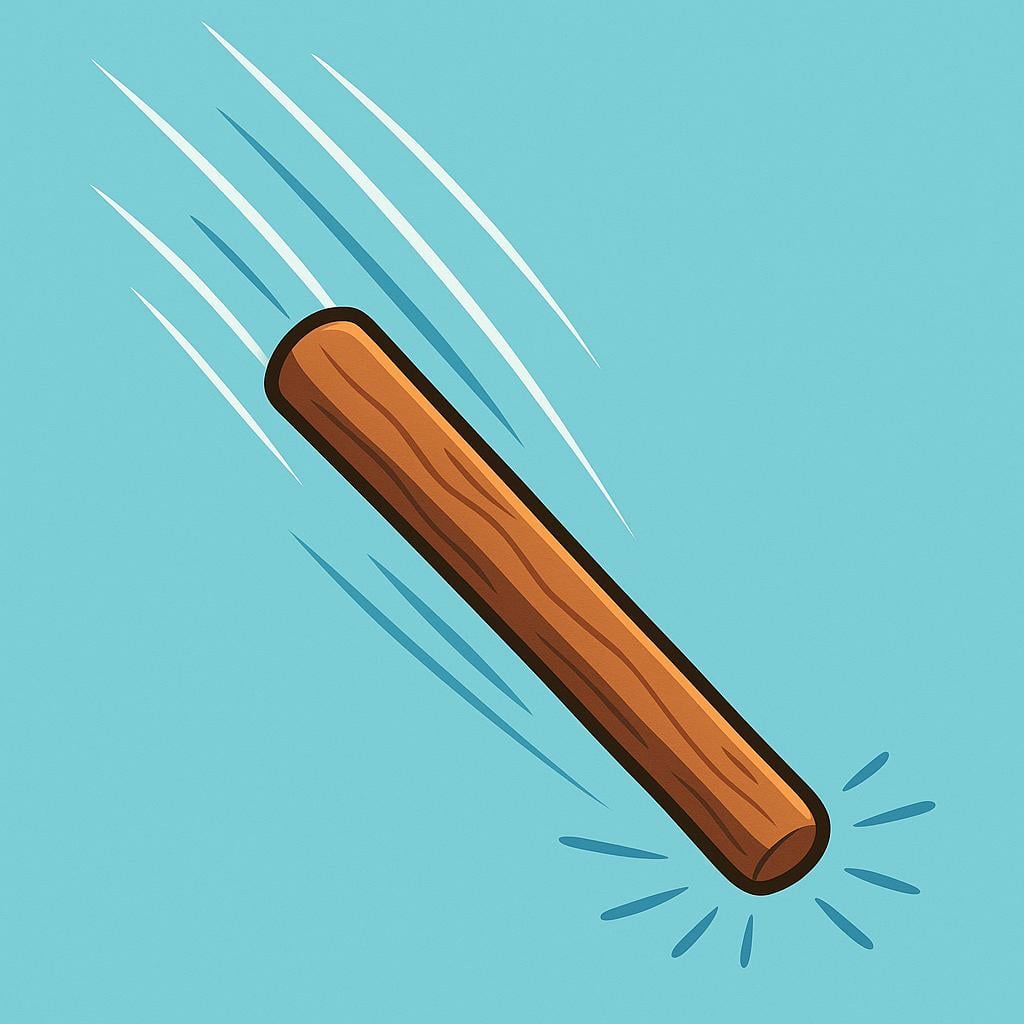
📝 In Action
Le dieron palos por intentar robar.
B1They gave him a beating for trying to steal. (They hit him.)
Recibió varios palos en la cabeza durante la pelea.
B2He received several blows to the head during the fight.
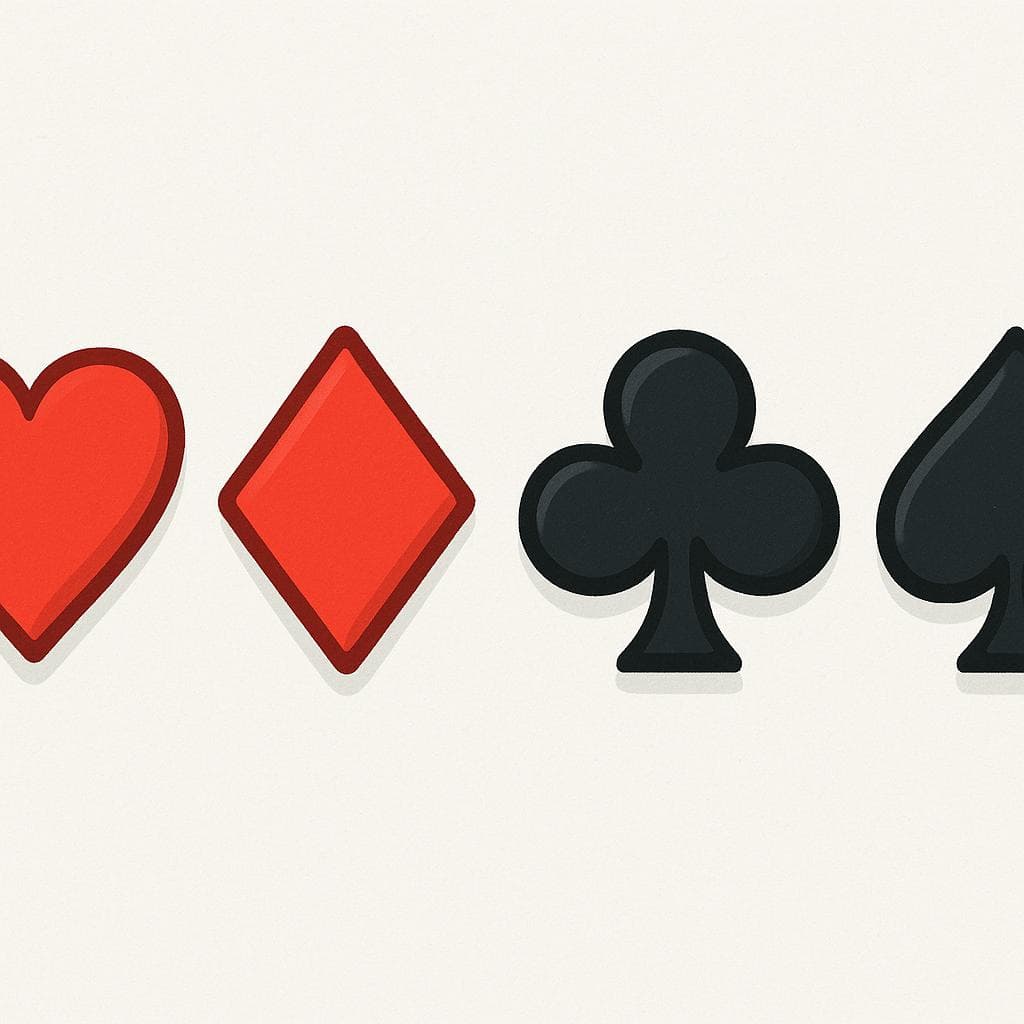
suits
Also: clubs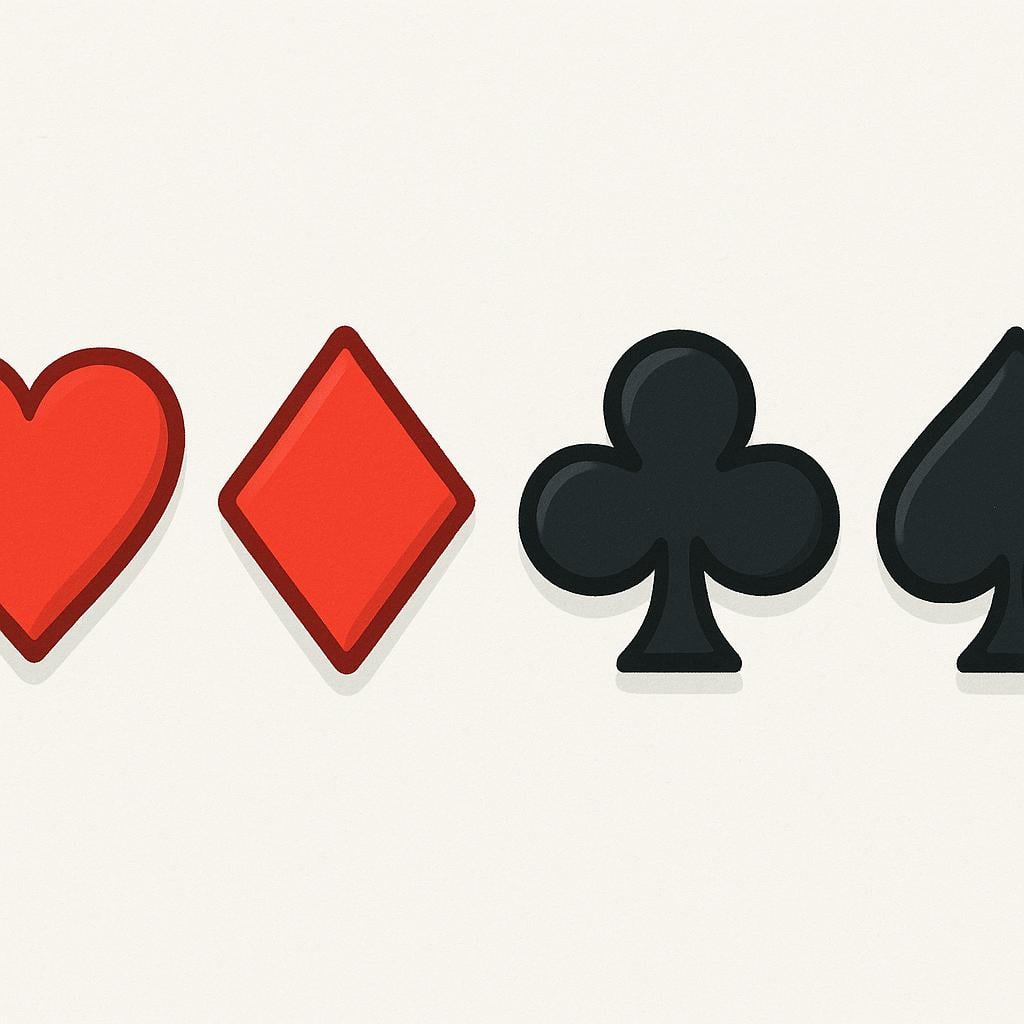
📝 In Action
Necesitas tres cartas del mismo palo para ganar.
B2You need three cards of the same suit to win.
¿Qué palo es el triunfo en este juego?
B2Which suit is the trump in this game?
setbacks, troubles
Also: hard times
📝 In Action
La empresa ha pasado por unos cuantos palos este año.
C1The company has gone through quite a few setbacks this year.
A pesar de todos los palos, se levantó y siguió adelante.
C2Despite all the troubles, he got up and kept going.
Translate to Spanish
✏️ Quick Practice
Quick Quiz: palos
Question 1 of 2
Which sentence uses 'palos' to mean 'troubles or hardships'?
📚 More Resources
👥 Word Family▼
📚 Etymology▼
The word comes from the Latin term *palus*, which originally meant 'stake' or 'post.' This historical root explains why the primary meaning is a long, rigid piece of wood, which then extended figuratively to mean 'blows' (being hit by a stick) and 'difficulties' (receiving a blow of fate).
First recorded: 13th century (as 'palo')
Cognates (Related words)
💡 Master Spanish
Take your Spanish to the next level. Read 200+ illustrated and narrated Spanish stories tailored to your level with the Inklingo app!
Frequently Asked Questions
Why is 'palos' used in the plural when talking about problems?
Using the plural 'palos' (like 'blows' in English) emphasizes that the difficulties are multiple or severe. It's an idiomatic way of saying life has dealt you several hard hits.
Does 'palos' always refer to wood?
No. While the original meaning is wood, 'palos' is used for any long, thin object (like metal poles or plastic golf clubs). Figuratively, it means hits, blows, or setbacks, which are not physical objects at all.