pare
“pare” means “Stop” in Spanish. It has 2 different meanings depending on context:
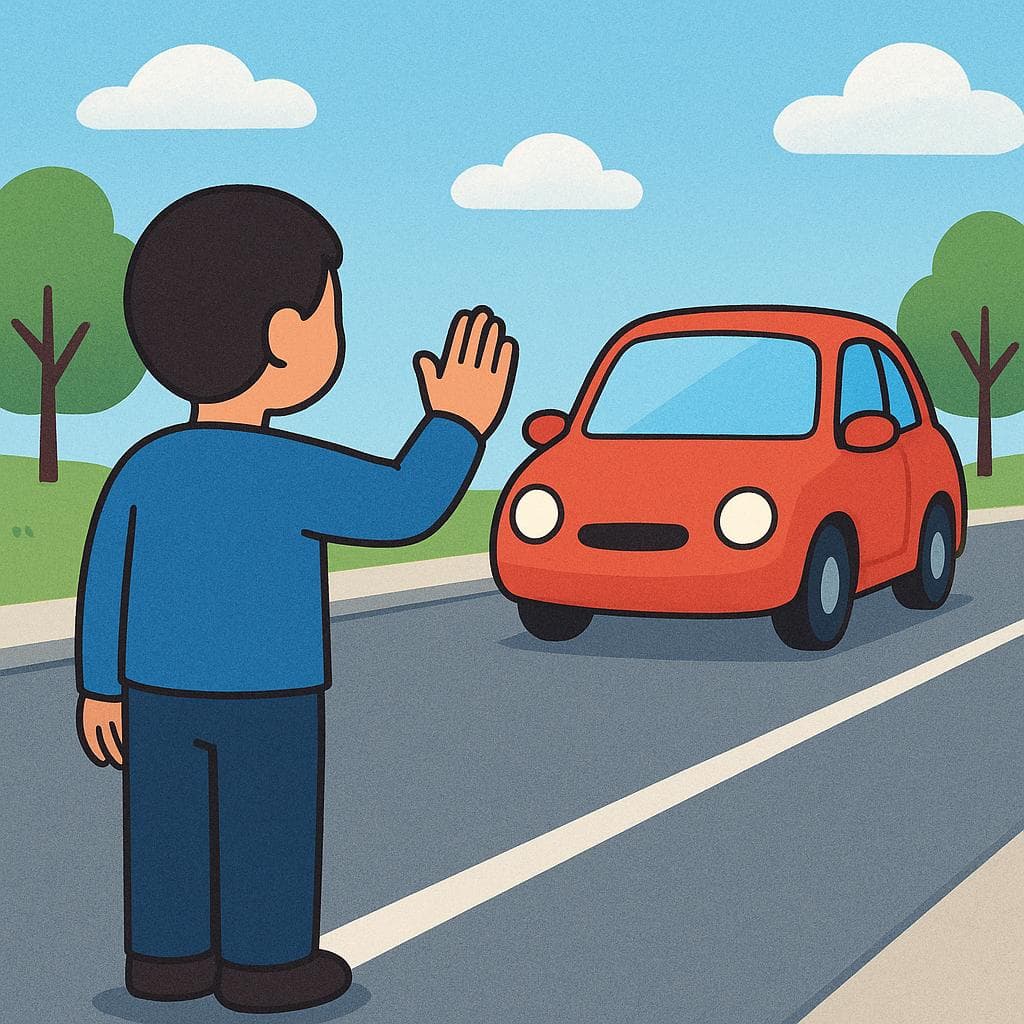
Stop
Also: Park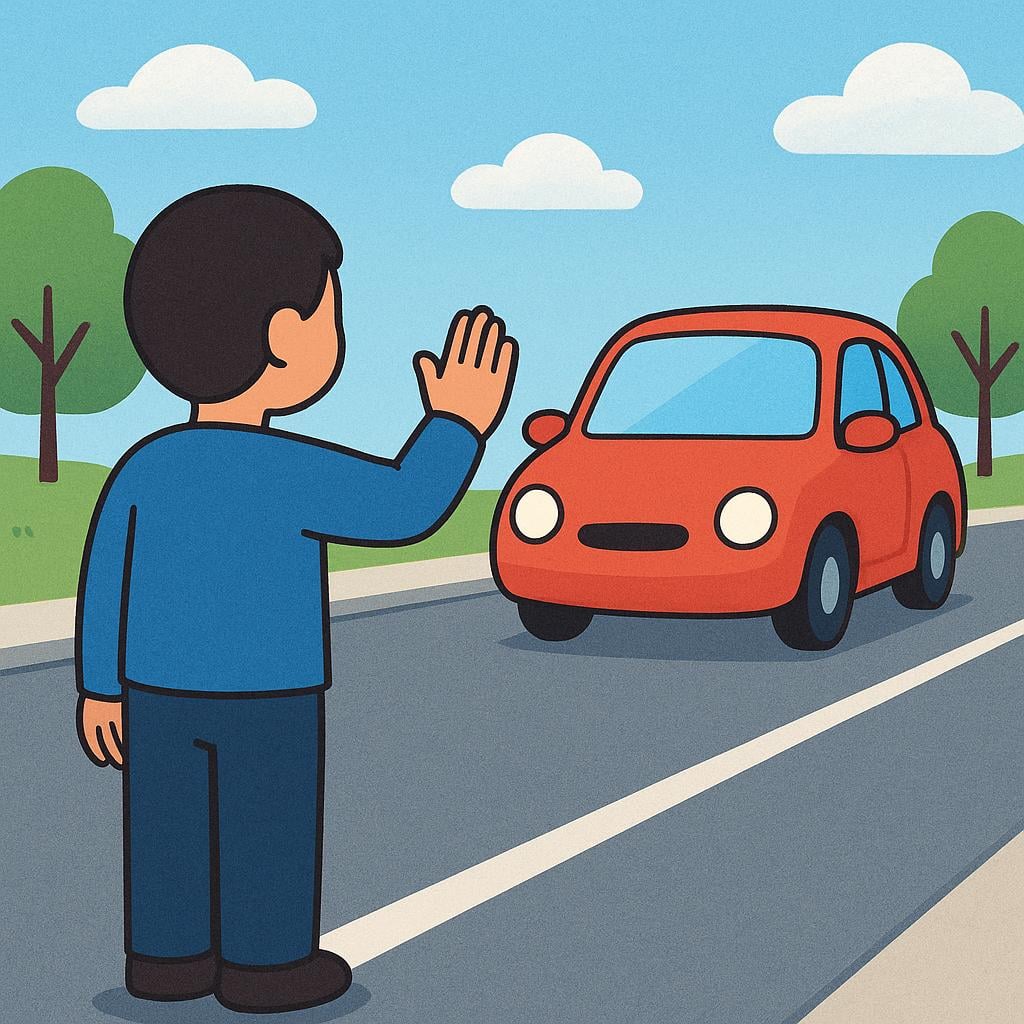
📝 In Action
Por favor, pare el coche frente al banco.
A1Please, stop the car in front of the bank.
Señorita, pare aquí, hemos llegado.
A1Miss, stop here, we have arrived.
that I stop
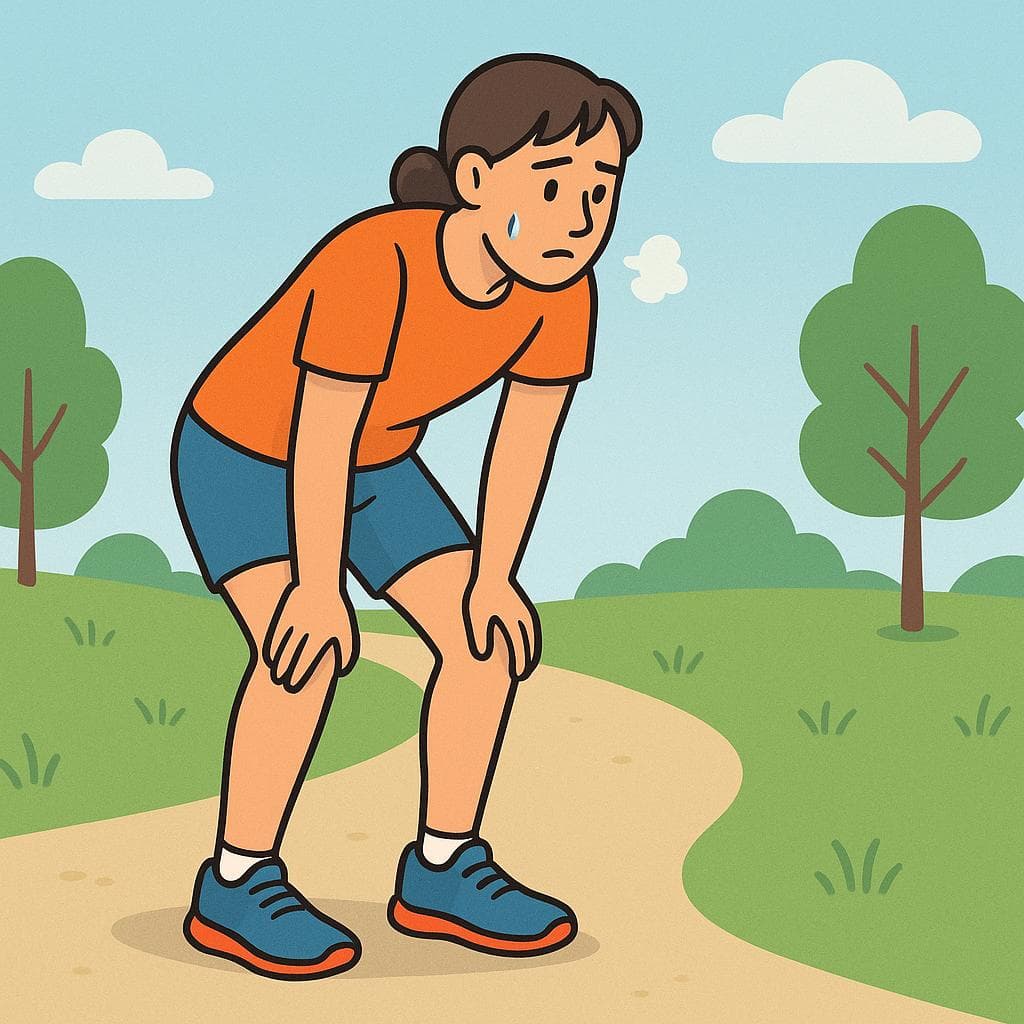
Also: that he/she/it stop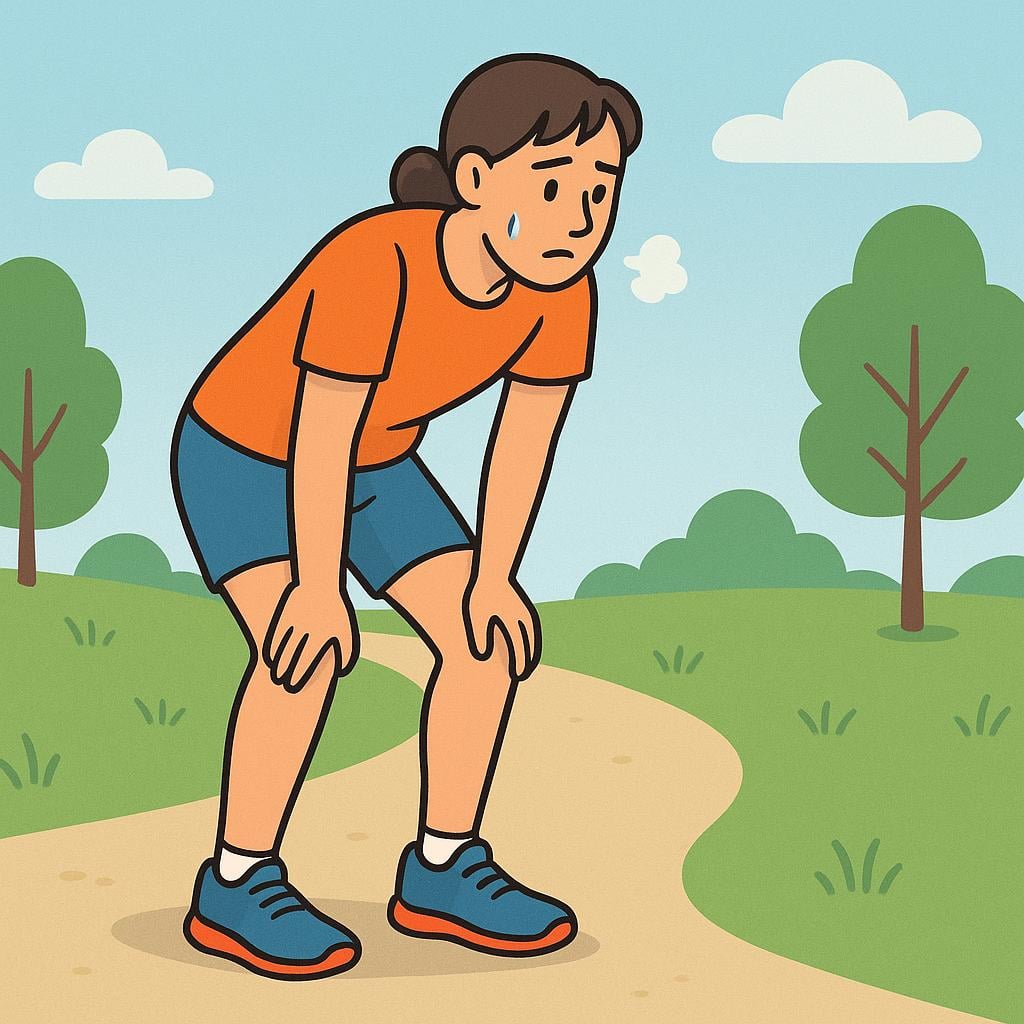
📝 In Action
Espero que la lluvia pare pronto.
B1I hope the rain stops soon.
Quizás yo pare de estudiar para cenar.
B1Maybe I will stop studying to eat dinner.
El doctor recomienda que Ud. pare de fumar inmediatamente.
B2The doctor recommends that you stop smoking immediately.
Indicative
Present
Imperfect
Preterite
Subjunctive
Present Subjunctive
Imperfect Subjunctive
✏️ Quick Practice
Quick Quiz: pare
Question 1 of 2
Which of these situations requires the formal command 'pare'?
📚 More Resources
👥 Word Family▼
📚 Etymology▼
The word 'pare' comes directly from the Spanish verb 'parar,' which itself evolved from the Vulgar Latin verb *parare*, meaning 'to prepare' or 'to make ready.' Over time, its meaning shifted in Spanish to 'to halt' or 'to cease movement,' perhaps from the idea of 'preparing' a barrier or boundary.
First recorded: 13th century (as 'parar')
Cognates (Related words)
💡 Master Spanish
Take your Spanish to the next level. Read 200+ illustrated and narrated Spanish stories tailored to your level with the Inklingo app!
Frequently Asked Questions
Is 'pare' the same word as 'para'?
'Pare' and 'para' are both forms of the verb 'parar' (to stop), but they are used differently. 'Para' is the informal command (tú), while 'pare' is the formal command (usted) and the subjunctive form.
How do I know if 'pare' is a command or subjunctive?
If 'pare' starts the sentence or follows a direct address (like 'Señor, pare...'), it's likely a command. If it follows a phrase like 'que' or 'espero que,' it is the subjunctive form.