peleando
“peleando” means “fighting” in Spanish. It has 3 different meanings depending on context:


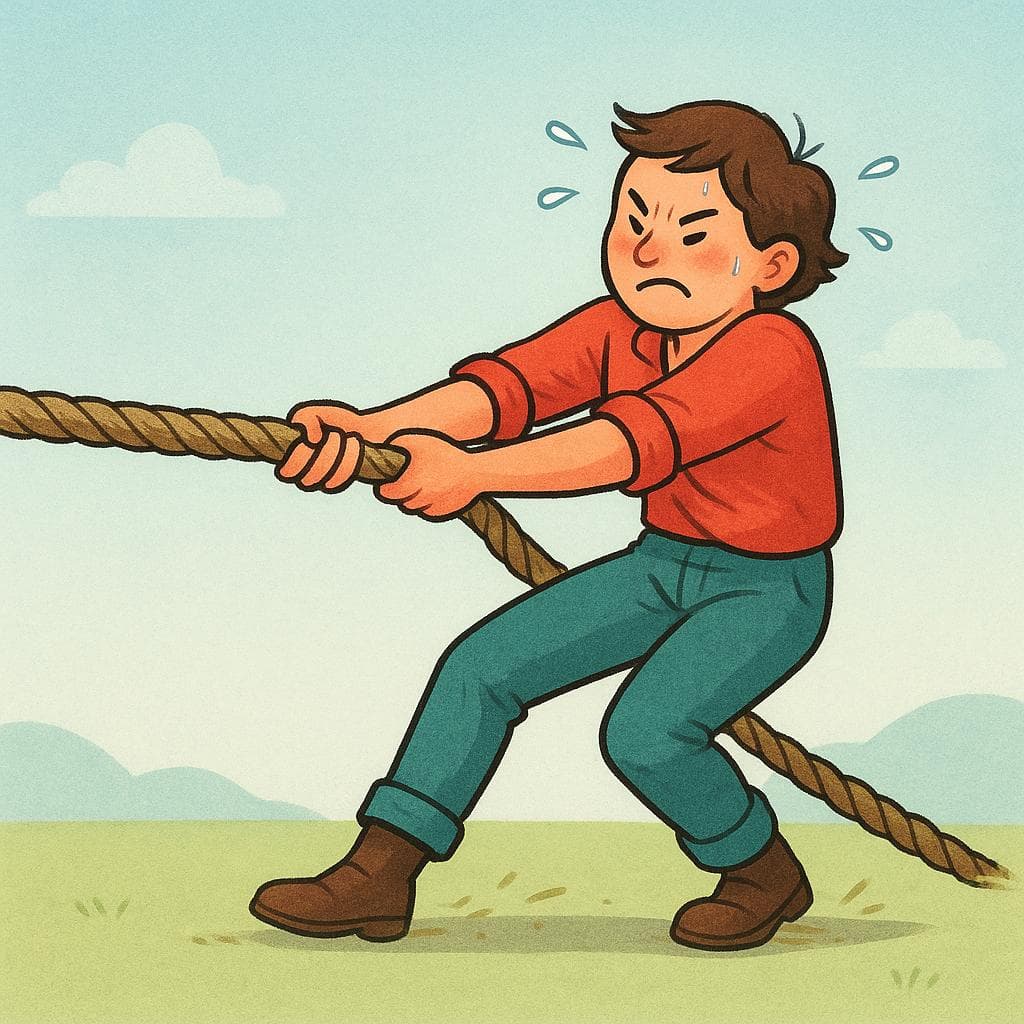
fighting, brawling
Also: scuffling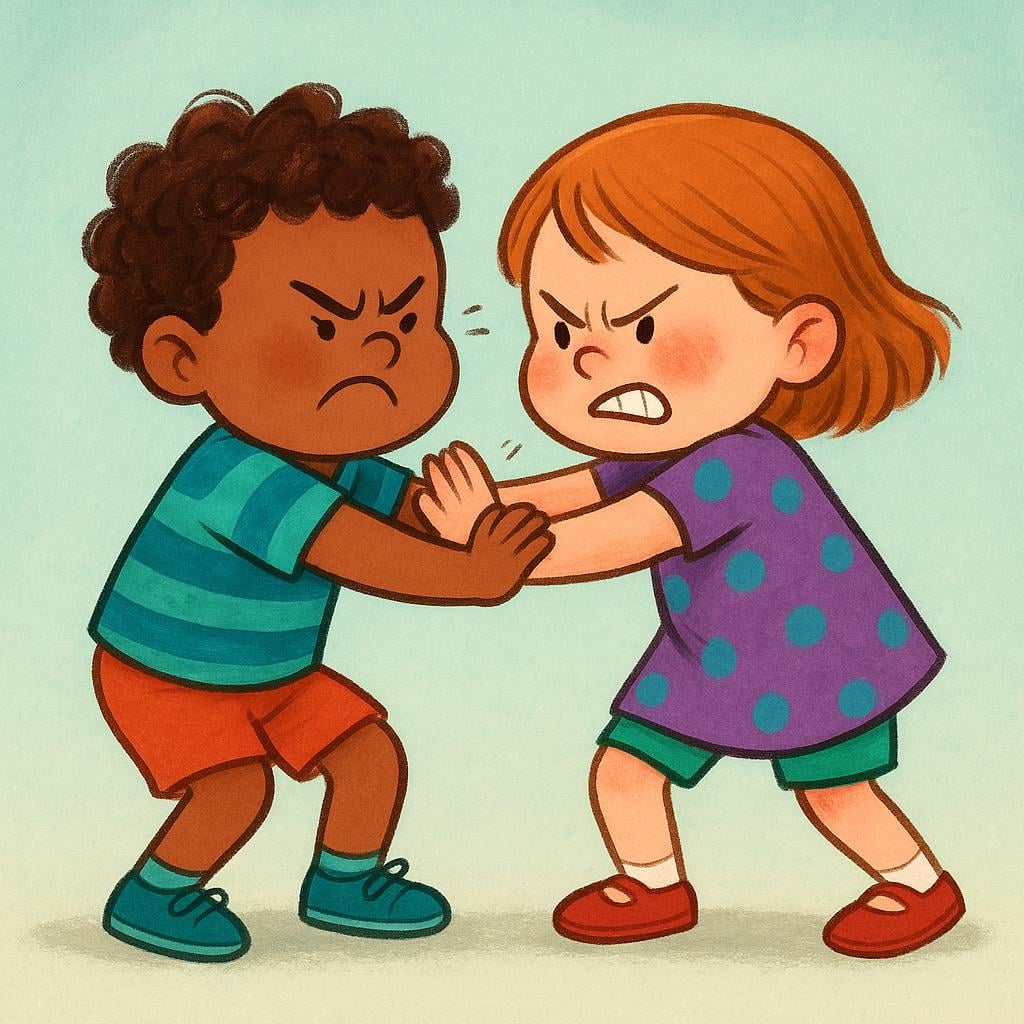
📝 In Action
Los niños estaban peleando por el juguete.
A2The children were fighting over the toy.
La policía llegó mientras los dos hombres seguían peleando.
B1The police arrived while the two men were still fighting.
arguing, quarreling
Also: disputing
📝 In Action
Mis padres siempre están peleando por la televisión.
B1My parents are always arguing over the television.
Están peleando sobre quién tiene la culpa.
B1They are quarreling about who is to blame.
struggling, contending
Also: vying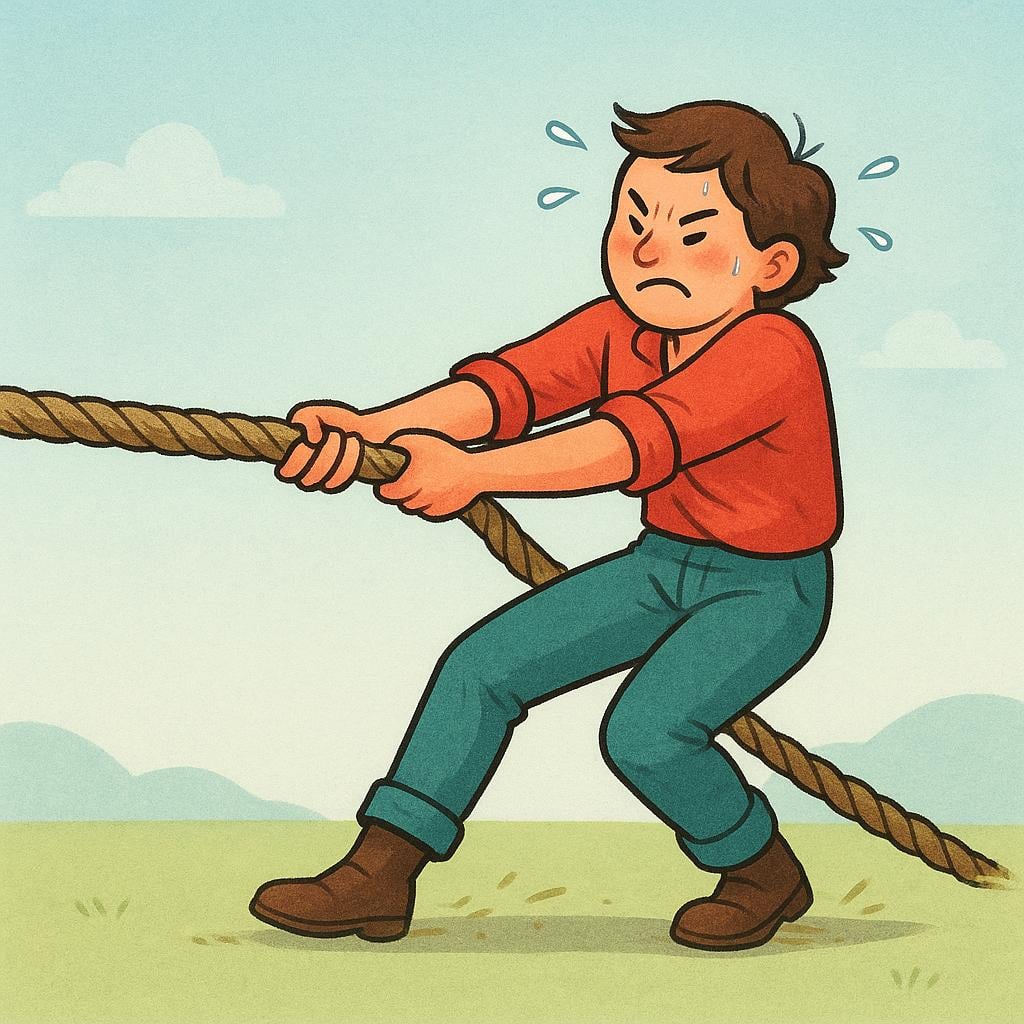
📝 In Action
El equipo está peleando por el primer puesto en la liga.
B2The team is struggling/contending for first place in the league.
Llevamos meses peleando contra la burocracia.
C1We have been struggling against bureaucracy for months.
Indicative
Present
Imperfect
Preterite
Subjunctive
Present Subjunctive
Imperfect Subjunctive
Translate to Spanish
Words that translate to "peleando" in Spanish:
arguing→brawling→contending→disputing→fighting→quarreling→scuffling→struggling→✏️ Quick Practice
Quick Quiz: peleando
Question 1 of 2
Which sentence uses 'peleando' in the sense of 'struggling against an obstacle' (Definition 3)?
📚 More Resources
👥 Word Family▼
📚 Etymology▼
Comes from the Old Spanish word 'pelear,' likely derived from the Latin root *pilare*, meaning 'to strike' or 'to hit.' The word has always been associated with physical or verbal conflict.
First recorded: Medieval Spanish texts (c. 13th century)
Cognates (Related words)
💡 Master Spanish
Take your Spanish to the next level. Read 200+ illustrated and narrated Spanish stories tailored to your level with the Inklingo app!
Frequently Asked Questions
What is the difference between 'peleando' and 'luchando'?
Both mean 'fighting' or 'struggling.' 'Peleando' often refers to direct conflict, like a fight or an argument. 'Luchando' is broader and frequently refers to a struggle for a cause, survival, or against a major difficulty (e.g., 'luchar por la libertad'—to fight for freedom). They are sometimes interchangeable, especially in the sense of 'contending.'
Is 'peleando' a complete verb on its own?
'Peleando' is a gerund, which means it describes the action ('fighting') but cannot be the main verb of a sentence without help. It must pair with a conjugated verb, most commonly 'estar' (estoy, estás, está, etc.) to form the continuous tense.