perdedores
“perdedores” means “losers” in Spanish. It has 2 different meanings depending on context:

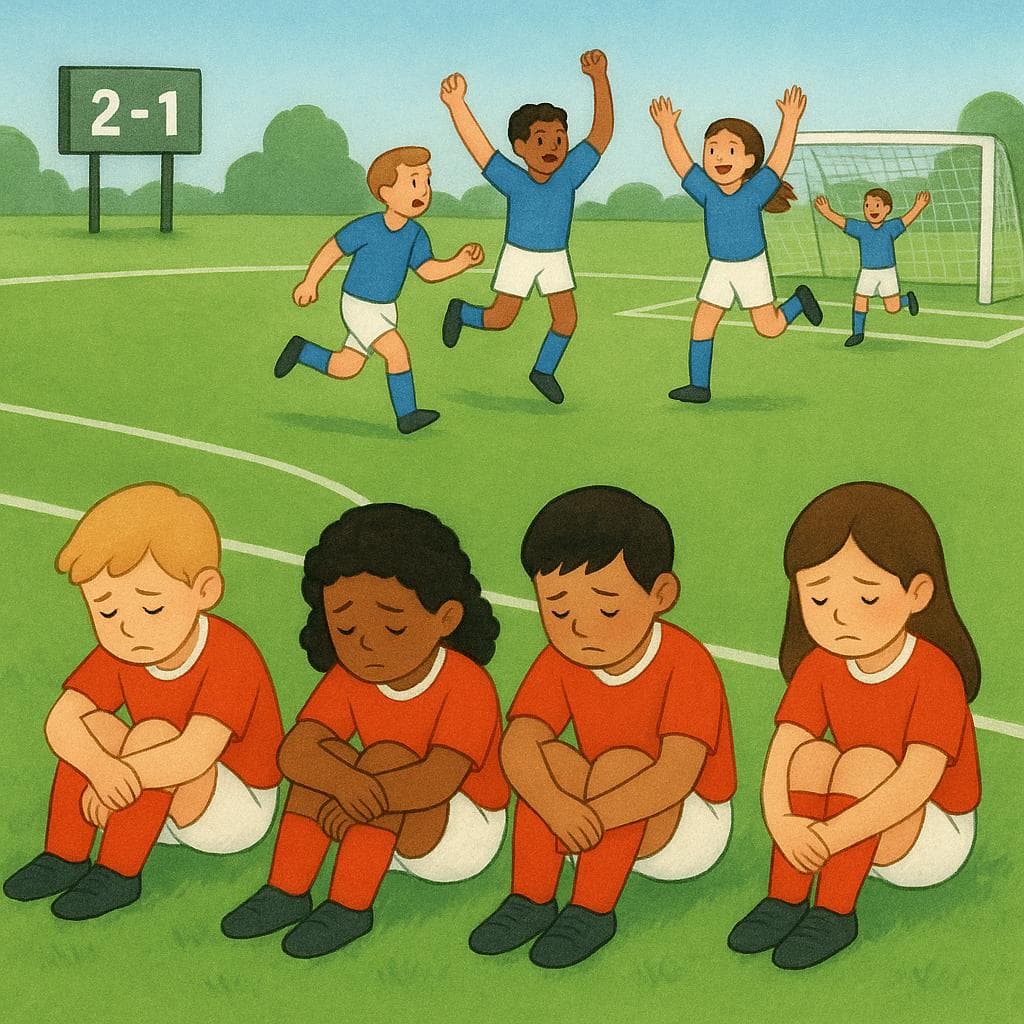
losers
Also: the defeated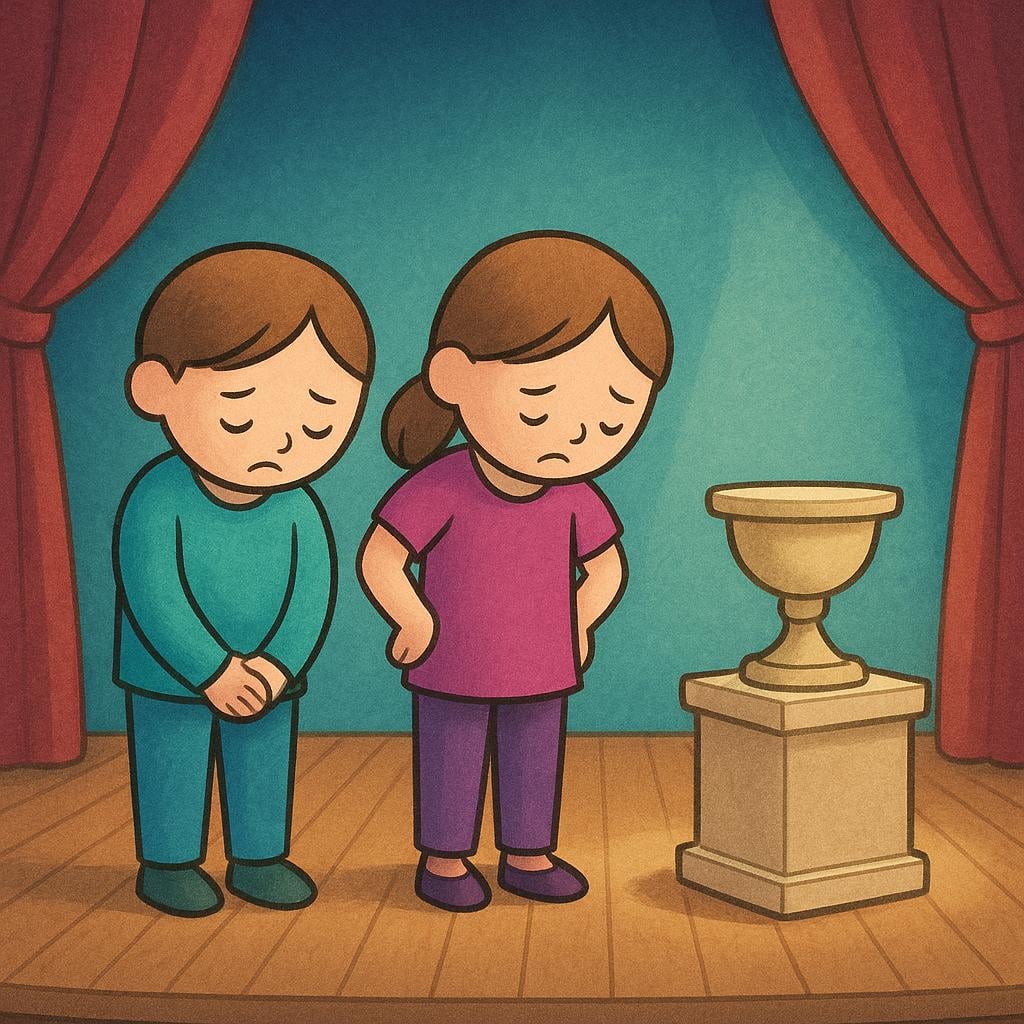
📝 In Action
Los perdedores se quedaron en silencio mientras el otro equipo celebraba.
A2The losers stayed silent while the other team celebrated.
En esta carrera, no hay perdedores, solo gente que aprende a levantarse.
B1In this race, there are no losers, only people who learn to get back up.
losing
Also: unsuccessful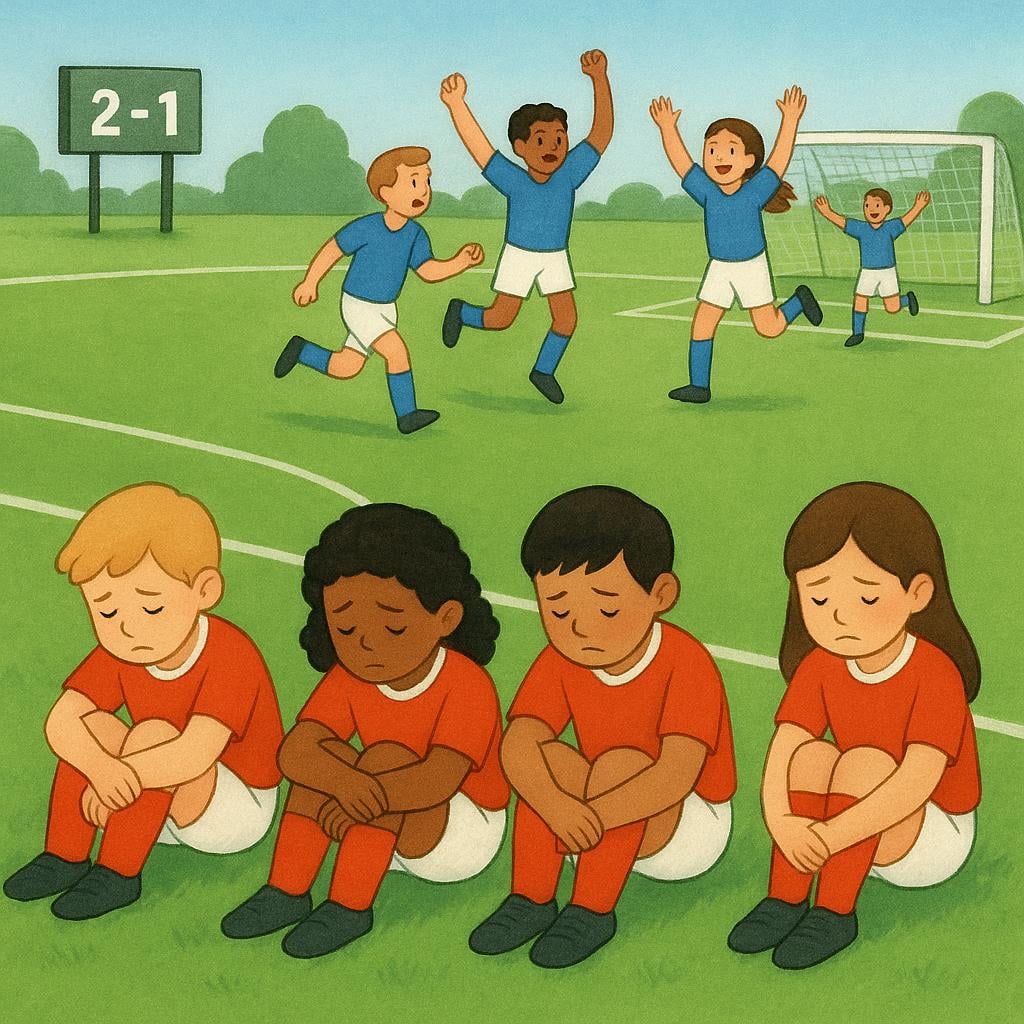
📝 In Action
Mostraron unos rostros perdedores después de la votación.
B1They showed losing faces after the vote.
Esos planes perdedores nos costaron mucho tiempo y dinero.
B2Those losing/unsuccessful plans cost us a lot of time and money.
Translate to Spanish
✏️ Quick Practice
Quick Quiz: perdedores
Question 1 of 1
Which sentence uses 'perdedores' to describe a characteristic (adjective use)?
📚 More Resources
🎵 Rhymes▼
📚 Etymology▼
The word comes from the verb 'perder' (to lose), which traces its roots back to the Latin word *perdere*. The suffix '-dor' is added to verbs to create a noun or adjective describing the person or thing that performs that action (like '-er' in English, as in 'writer' from 'write').
First recorded: Medieval Spanish
Cognates (Related words)
💡 Master Spanish
Take your Spanish to the next level. Read 200+ illustrated and narrated Spanish stories tailored to your level with the Inklingo app!
Frequently Asked Questions
Is 'perdedores' always negative?
Not necessarily. In a literal sense (like a sports game), it simply means 'those who lost.' However, when used as an insult or to describe someone's character, it is definitely negative.
What is the difference between 'perdedores' and 'derrotados'?
They are very similar. 'Derrotados' (defeated ones) often implies a more formal or decisive loss, especially in war or major competitions, while 'perdedores' is used more broadly and sometimes has a stronger connotation of failure or habitual losing.