perderte
“perderte” means “to get lost (yourself)” in Spanish. It has 2 different meanings depending on context:

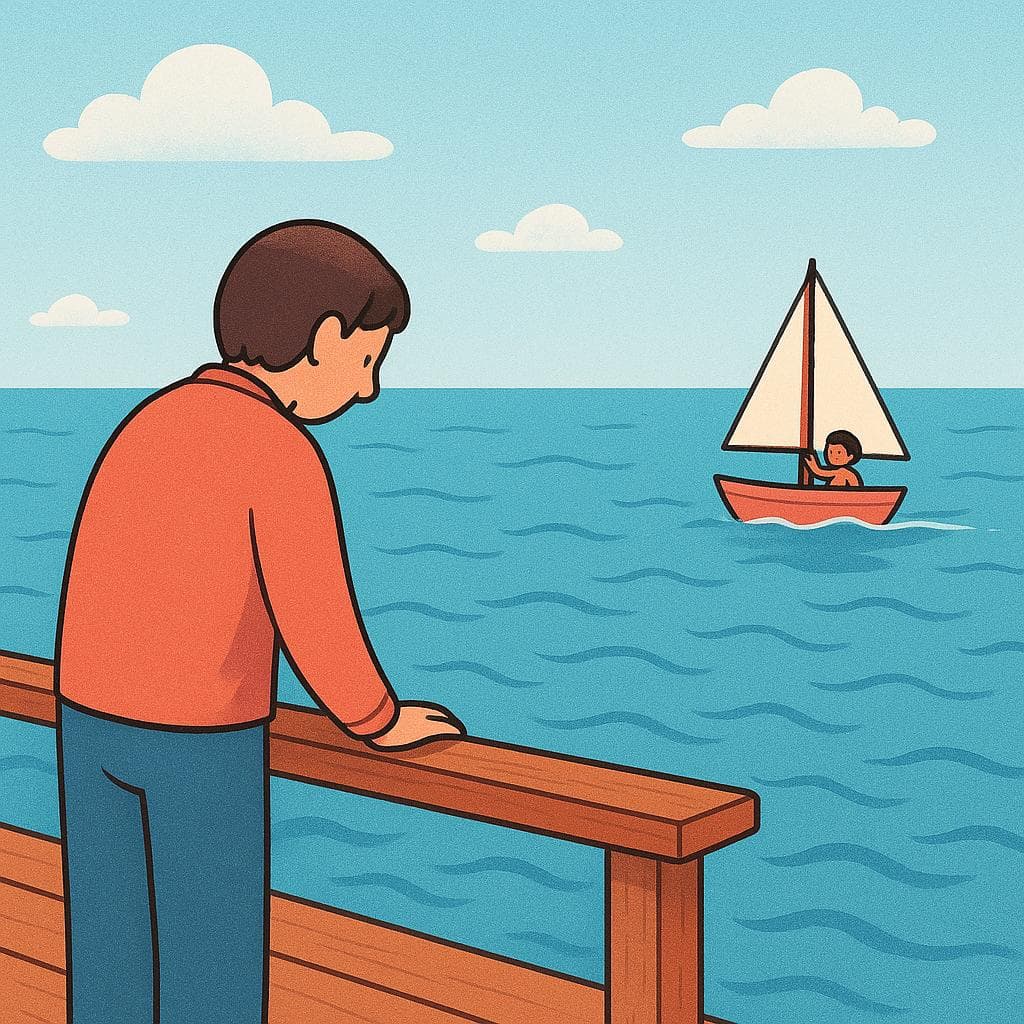
to get lost (yourself), to miss out (on something)
Also: to become absorbed
📝 In Action
Tienes que tener cuidado para no perderte en la multitud.
A2You have to be careful not to get lost in the crowd.
No puedes perderte este concierto, será increíble.
B1You can't miss out on this concert, it will be incredible.
Me gusta leer y perderme en las historias de fantasía.
B2I like to read and get absorbed in fantasy stories.
to lose you
Also: to fail to keep you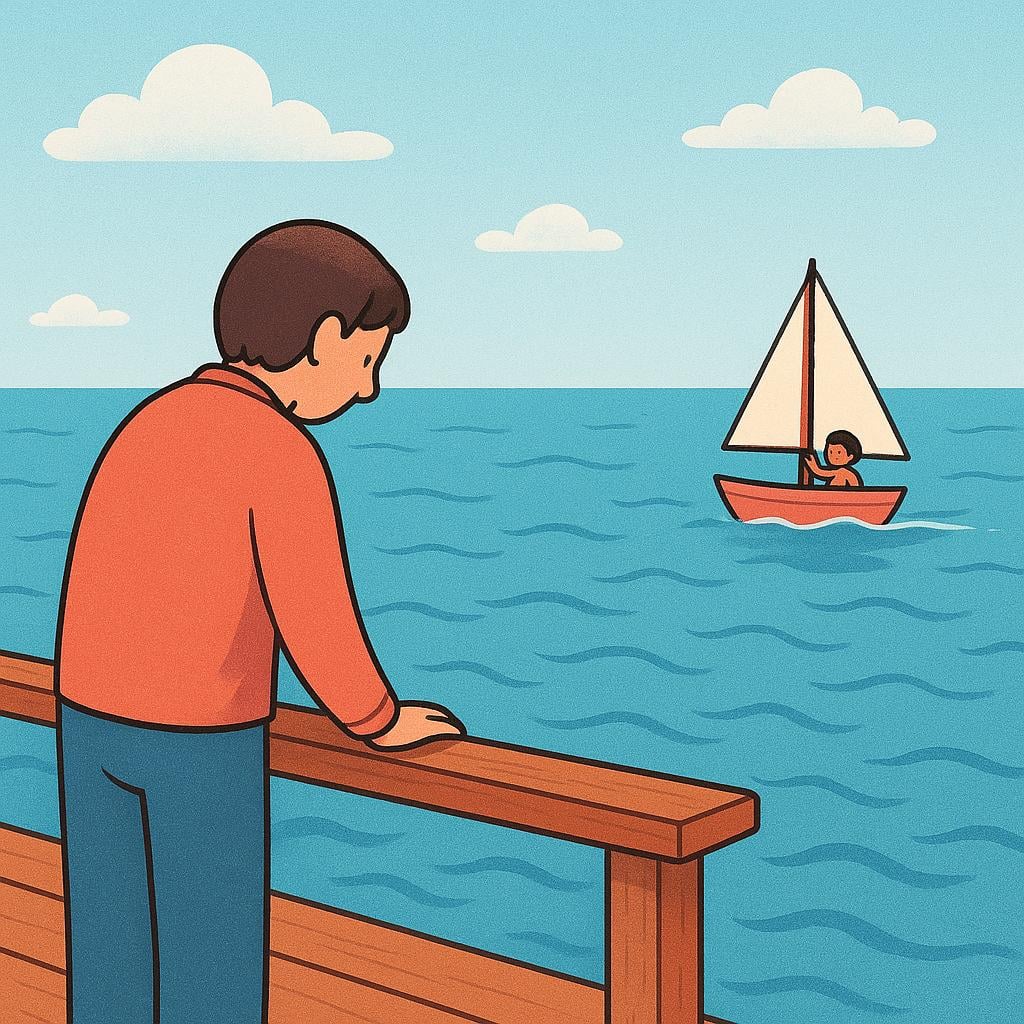
📝 In Action
Haré todo lo posible por no perderte nunca.
B1I will do everything possible never to lose you.
Si corres demasiado rápido, voy a perderte de vista.
A2If you run too fast, I'm going to lose sight of you.
Es horrible tener que perderte como cliente.
B2It's awful having to lose you as a client.
Indicative
Present
Imperfect
Preterite
Subjunctive
Present Subjunctive
Imperfect Subjunctive
✏️ Quick Practice
Quick Quiz: perderte
Question 1 of 2
Which sentence uses 'perderte' in the sense of 'to miss out on'?
📚 More Resources
👥 Word Family▼
🎵 Rhymes▼
📚 Etymology▼
Comes from the Latin verb *perdere*, meaning 'to throw away' or 'to destroy.' The meaning evolved over time to simply mean 'to lose' or 'to fail to keep.'
First recorded: Old Spanish
Cognates (Related words)
💡 Master Spanish
Take your Spanish to the next level. Read 200+ illustrated and narrated Spanish stories tailored to your level with the Inklingo app!
Frequently Asked Questions
Why is 'te' attached to the end of the verb?
In Spanish, when you use the infinitive form of a verb (like 'perder'), you have the choice to attach the pronouns ('me,' 'te,' 'lo,' 'la,' etc.) directly to the end, or place them before the conjugated verb that precedes the infinitive. 'Perderte' is the attached style.
Is 'perderte' the same as 'te perder'?
No. 'Te perder' is grammatically incorrect. You must either attach the pronoun to the infinitive ('perderte') or place it before the main conjugated verb ('Te voy a perder').