permitió
“permitió” means “allowed” in Spanish (He/She/It allowed).
allowed, permitted
Also: gave permission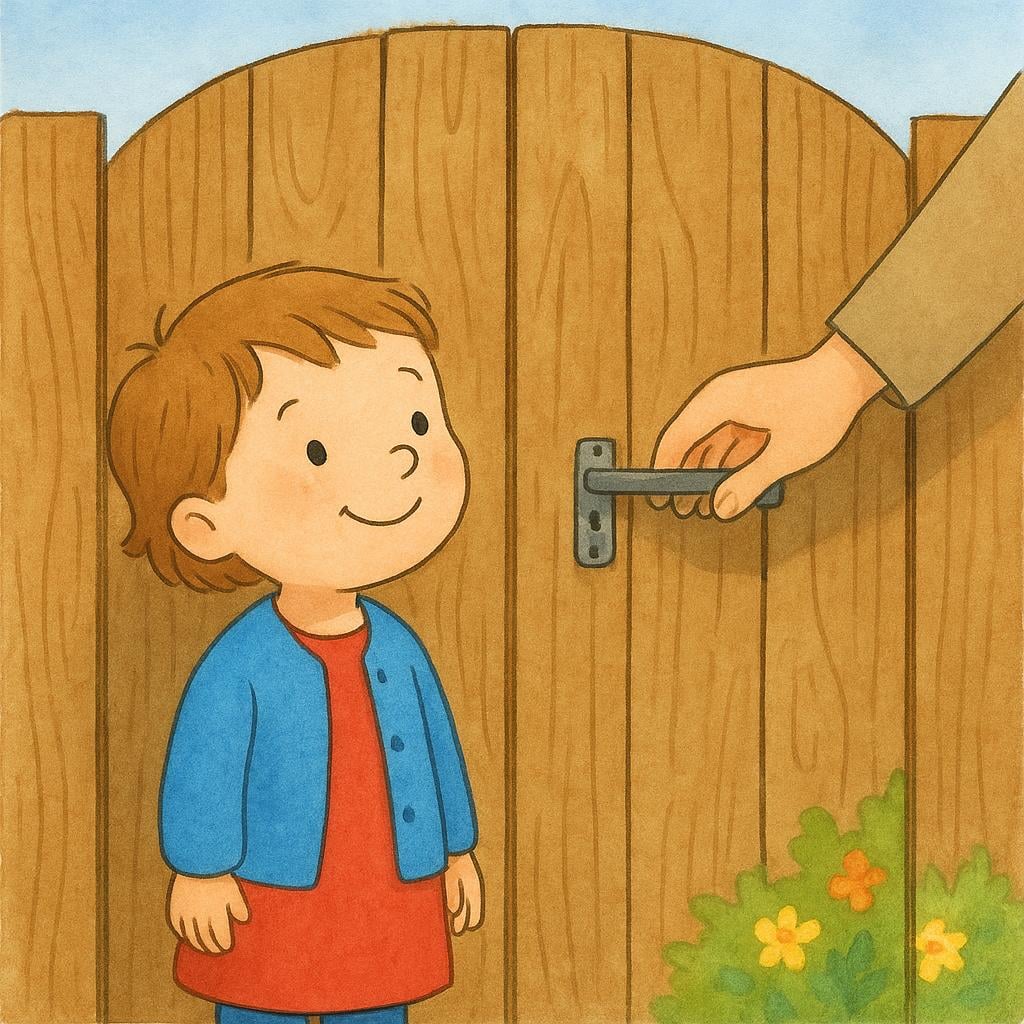
📝 In Action
El director nos permitió salir temprano hoy.
A2The director allowed us to leave early today.
Ella no permitió que su hijo jugara con fuego.
B1She did not permit her son to play with fire.
La nueva ley permitió la construcción de más viviendas.
B2The new law allowed the construction of more housing.
🔄 Conjugations
subjunctive
imperfect
present
indicative
preterite
imperfect
present
Translate to Spanish
Words that translate to "permitió" in Spanish:
gave permission→✏️ Quick Practice
Quick Quiz: permitió
Question 1 of 2
Which sentence correctly uses 'permitió'?
📚 More Resources
👥 Word Family▼
🎵 Rhymes▼
📚 Etymology▼
The verb 'permitir' comes from the Latin *permittere*, meaning 'to let go' or 'to allow to pass.' It has maintained its core meaning of granting leave or authorization throughout its evolution into Spanish.
First recorded: Medieval Latin
Cognates (Related words)
💡 Master Spanish
Take your Spanish to the next level. Read 200+ illustrated and narrated Spanish stories tailored to your level with the Inklingo app!
Frequently Asked Questions
What is the difference between 'permitió' and 'permití'?
'Permitió' means 'he, she, or formal you allowed' (él/ella/usted). 'Permití' means 'I allowed' (yo). They are both single, completed actions in the past, but the person doing the action is different.
Is 'permitió' a regular or irregular verb form?
'Permitió' is a regular conjugation of the verb 'permitir'. It follows the standard pattern for -ir verbs in the simple past (preterite) tense.