pijama
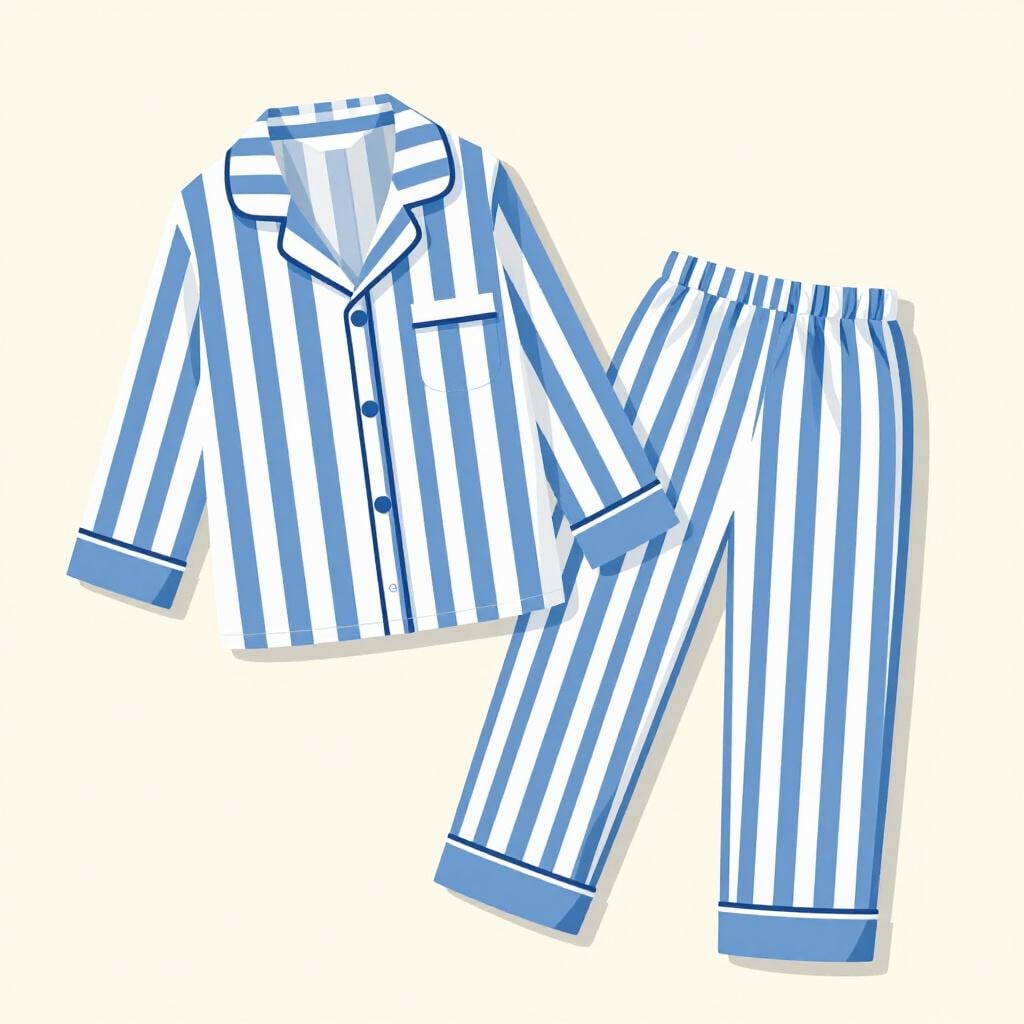
“pijama” means “pajamas” in Spanish (clothing worn for sleeping).
pajamasAlso: PJs
📝 In Action
Me pongo el pijama antes de ir a la cama.
A1I put on my pajamas before going to bed.
Este pijama de seda es muy suave.
A2This silk pajama set is very soft.
No quiero salir de casa, prefiero quedarme en pijama.
A2I don't want to leave the house; I prefer to stay in my pajamas.
Word Connections
✏️ Quick Practice
Quick Quiz: pijama
Question 1 of 2
If you are in Mexico, how would you most likely say 'the pajamas'?
📚 More Resources
👥 Word Family
📚 Etymology
Originally from the Persian word 'pay-jama' (meaning 'leg garment'). It traveled through Hindi and English before arriving in Spanish.
First recorded: Early 20th century
Cognates (Related words)
💡 Master Spanish
Take your Spanish to the next level. Read 200+ illustrated and narrated Spanish stories tailored to your level with the Inklingo app!
Frequently Asked Questions
Is 'pijama' singular or plural?
In Spanish, 'el pijama' (singular) refers to one complete set of sleepwear. You only use 'los pijamas' (plural) if you are talking about more than one set of pajamas.
Why do some people say 'el' and others say 'la'?
It depends on where they are from! Language evolves differently in different places. Spain settled on the masculine form, while most of the Americas settled on the feminine form.