ponía
“ponía” means “was putting” in Spanish. It has 2 different meanings depending on context:
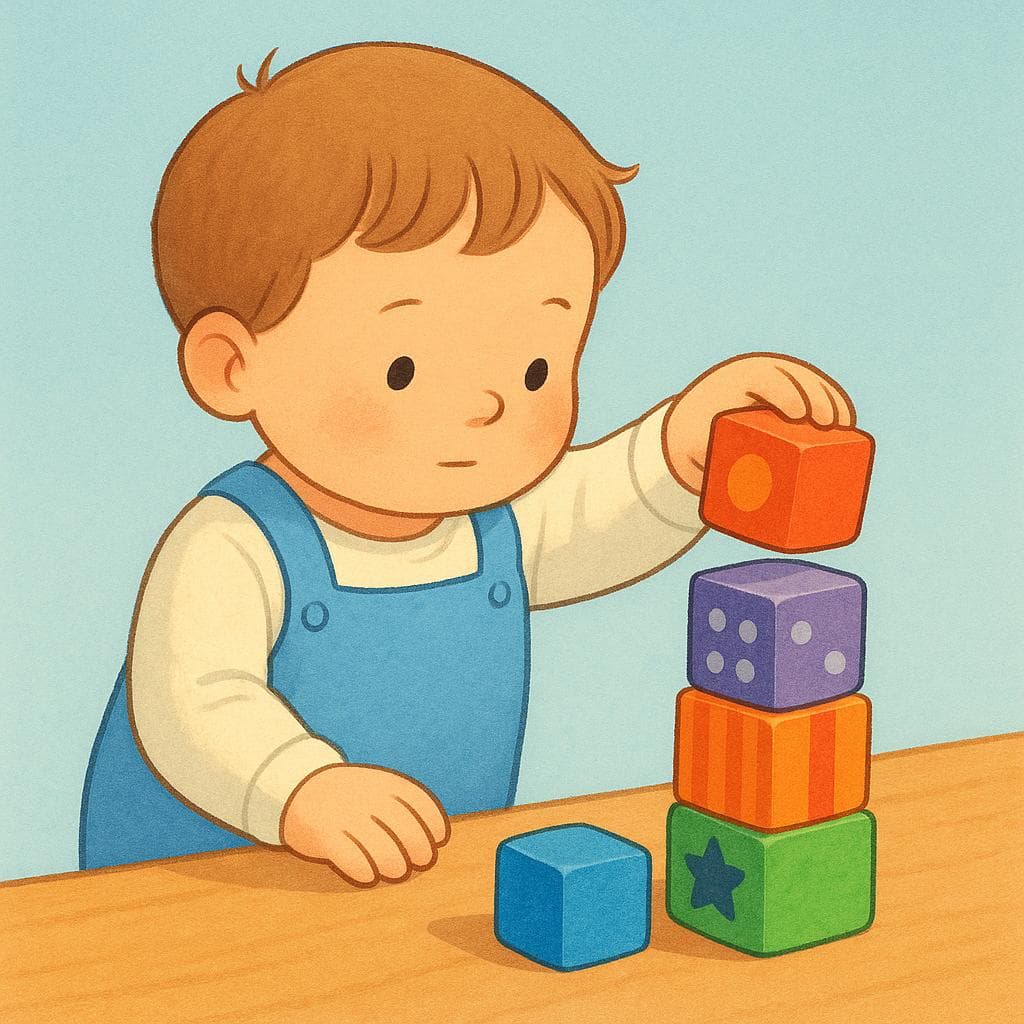

was putting, used to put
Also: was placing, used to set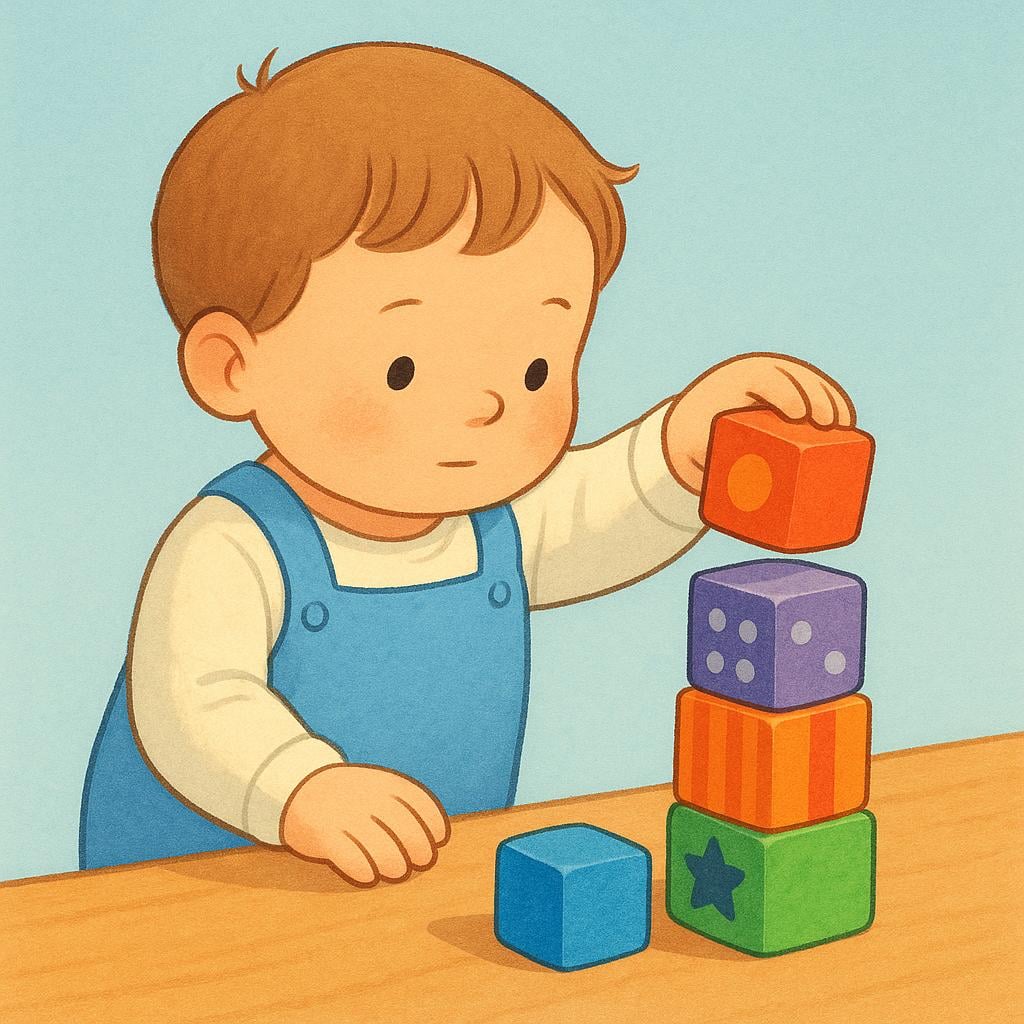
📝 In Action
Yo siempre ponía mis libros en la mesa grande.
A1I always used to put my books on the big table.
Él ponía la radio muy alta mientras cocinaba.
A2He was putting (turning) the radio up very loud while he was cooking.
Usted ponía mucho esfuerzo en ese proyecto, ¿verdad?
B1You were putting a lot of effort into that project, right?
was wearing
Also: was putting on
📝 In Action
Mi abuela ponía un pañuelo en la cabeza para ir a misa.
A2My grandmother used to wear a scarf on her head to go to mass.
Antes, yo no ponía gafas, pero ahora sí.
A2Before, I didn't wear glasses, but now I do.
🔄 Conjugations
indicative
present
imperfect
preterite
subjunctive
present
imperfect
Translate to Spanish
✏️ Quick Practice
Quick Quiz: ponía
Question 1 of 1
Which sentence correctly uses 'ponía' to describe a repeated habit in the past?
📚 More Resources
👥 Word Family▼
🎵 Rhymes▼
📚 Etymology▼
Comes from the Latin verb *ponere*, which meant 'to place' or 'to set down.' It has maintained its core meaning across centuries.
First recorded: Pre-dating the 10th century (Old Spanish)
Cognates (Related words)
💡 Master Spanish
Take your Spanish to the next level. Read 200+ illustrated and narrated Spanish stories tailored to your level with the Inklingo app!
Frequently Asked Questions
How is 'ponía' different from 'puso'?
'Ponía' (imperfect) describes an action that was ongoing, repeated, or descriptive in the past ('He used to put' or 'He was putting'). 'Puso' (preterite) describes a single, completed action in the past ('He put'). For example, 'Él ponía la mesa todos los días' (habit) vs. 'Él puso la mesa hace una hora' (single completed action).
Does 'ponía' have a reflexive form?
Yes, 'se ponía' is the reflexive form, meaning 'was putting on oneself' or 'was becoming/getting.' For example, 'Ella se ponía triste' (She was becoming sad).