pondrá
“pondrá” means “will put” in Spanish. It has 2 different meanings depending on context:
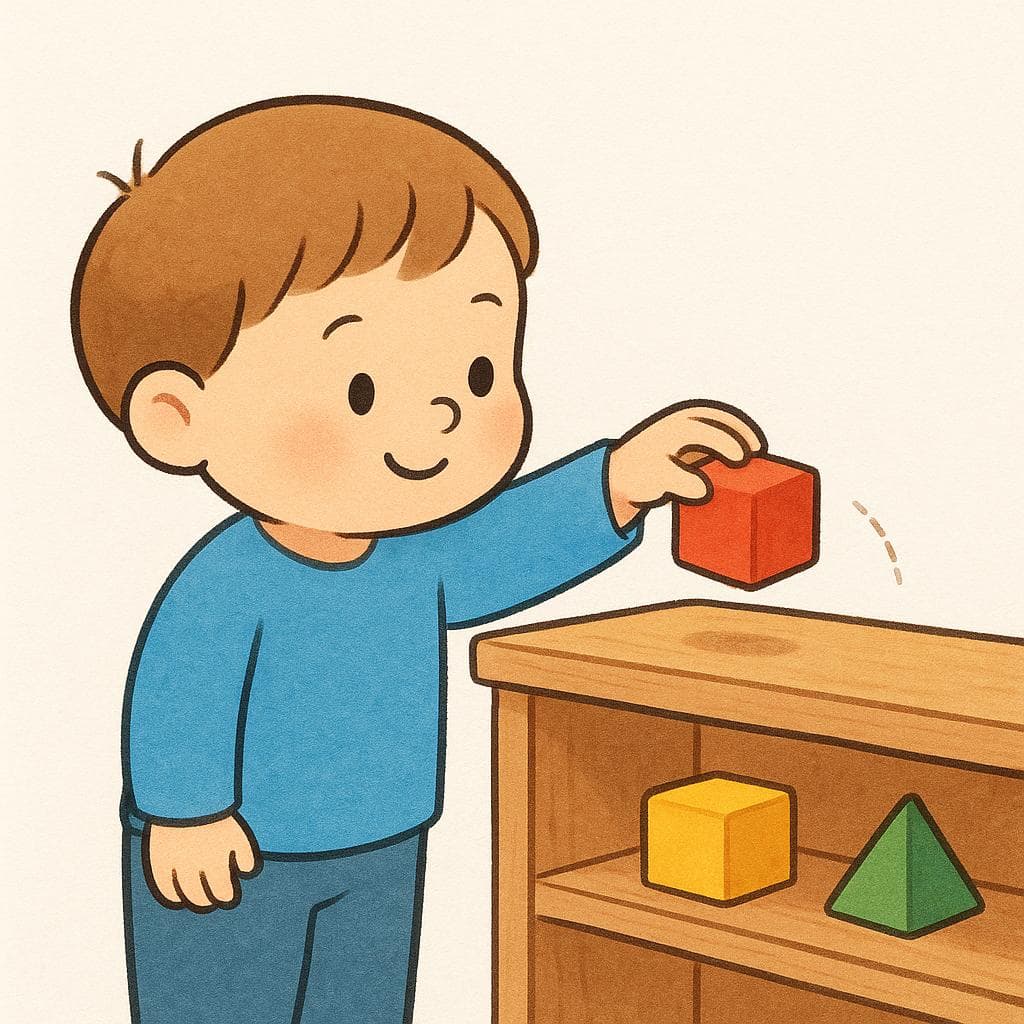

will put, will placeAlso: will set
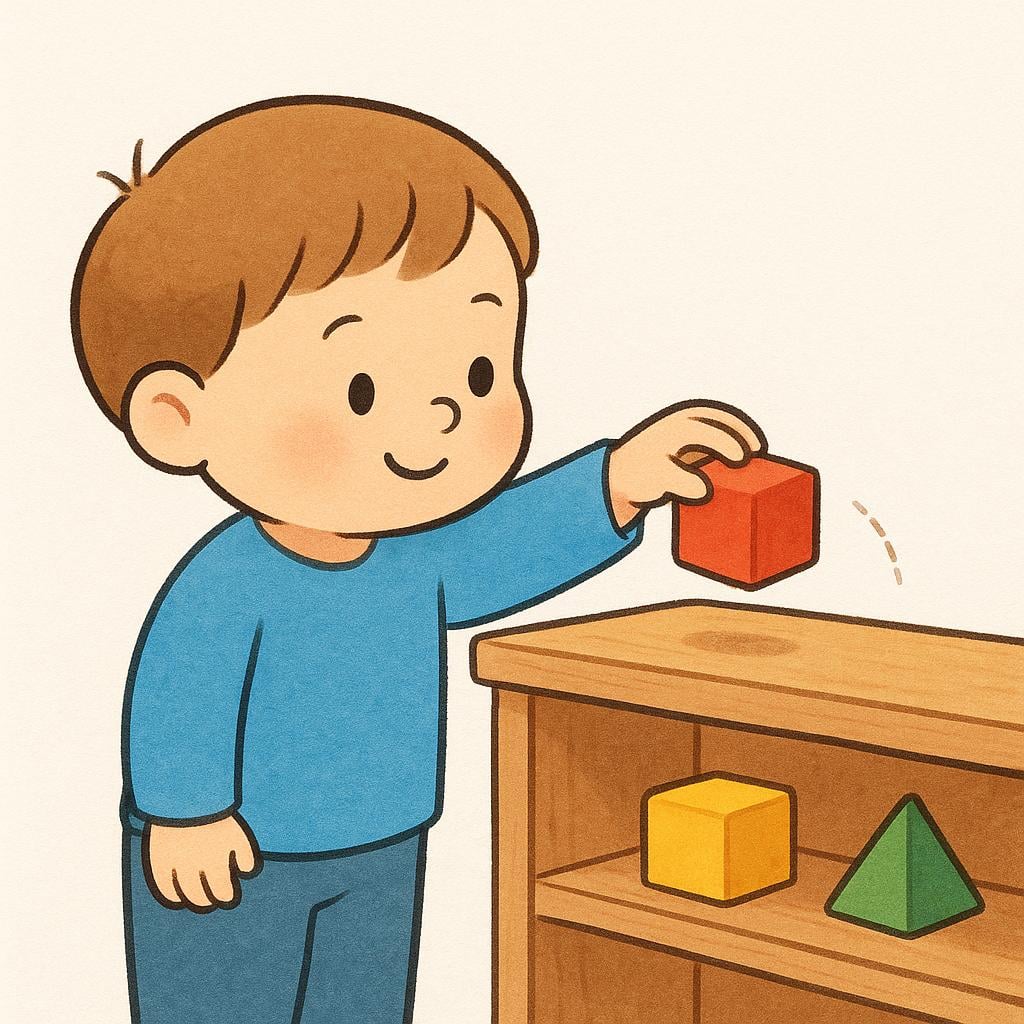
📝 In Action
Ella pondrá las flores en el jarrón.
A1She will put the flowers in the vase.
Usted pondrá su firma aquí, por favor.
A2You (formal) will place your signature here, please.
Word Connections
will set, will imposeAlso: will turn on

📝 In Action
El gobierno pondrá nuevas restricciones a la importación.
B2The government will impose new restrictions on imports.
Ella pondrá la radio cuando llegue a casa.
B1She will turn on the radio when she gets home.
Word Connections
Indicative
Present
Imperfect
Preterite
Subjunctive
Present Subjunctive
Imperfect Subjunctive
Translate to Spanish
Words that translate to "pondrá" in Spanish:
✏️ Quick Practice
Quick Quiz: pondrá
Question 1 of 2
Which sentence correctly uses 'pondrá' to mean 'will set a condition'?
📚 More Resources
👥 Word Family
🎵 Rhymes
📚 Etymology
Comes directly from the Latin verb *pōnere*, meaning 'to put' or 'to place.' It is one of the foundational verbs in Spanish, inheriting the core sense of positioning or arranging things.
First recorded: Old Spanish (around 10th-11th century)
Cognates (Related words)
💡 Master Spanish
Take your Spanish to the next level. Read 200+ illustrated and narrated Spanish stories tailored to your level with the Inklingo app!
Frequently Asked Questions
Why is 'pondrá' irregular? Where does the 'dr' come from?
The future tense of 'poner' is irregular because it uses a shortened stem, 'pondr-,' instead of the full infinitive 'poner-.' This 'dr' sound is a remnant of how the verb evolved from its Latin root, and it's a pattern you'll see in other key verbs like 'tener' (tendrá) and 'venir' (vendrá).
Can 'pondrá' be used to talk about the weather?
Yes, but usually in a specific construction like 'pondrá un día soleado' (it will be a sunny day), though 'hará' (from 'hacer') is more common. However, the reflexive form, 'se pondrá,' is very common for describing changes in state, like 'el cielo se pondrá oscuro' (the sky will become dark).