pope
“pope” means “leading figure” in Spanish. It has 2 different meanings depending on context:
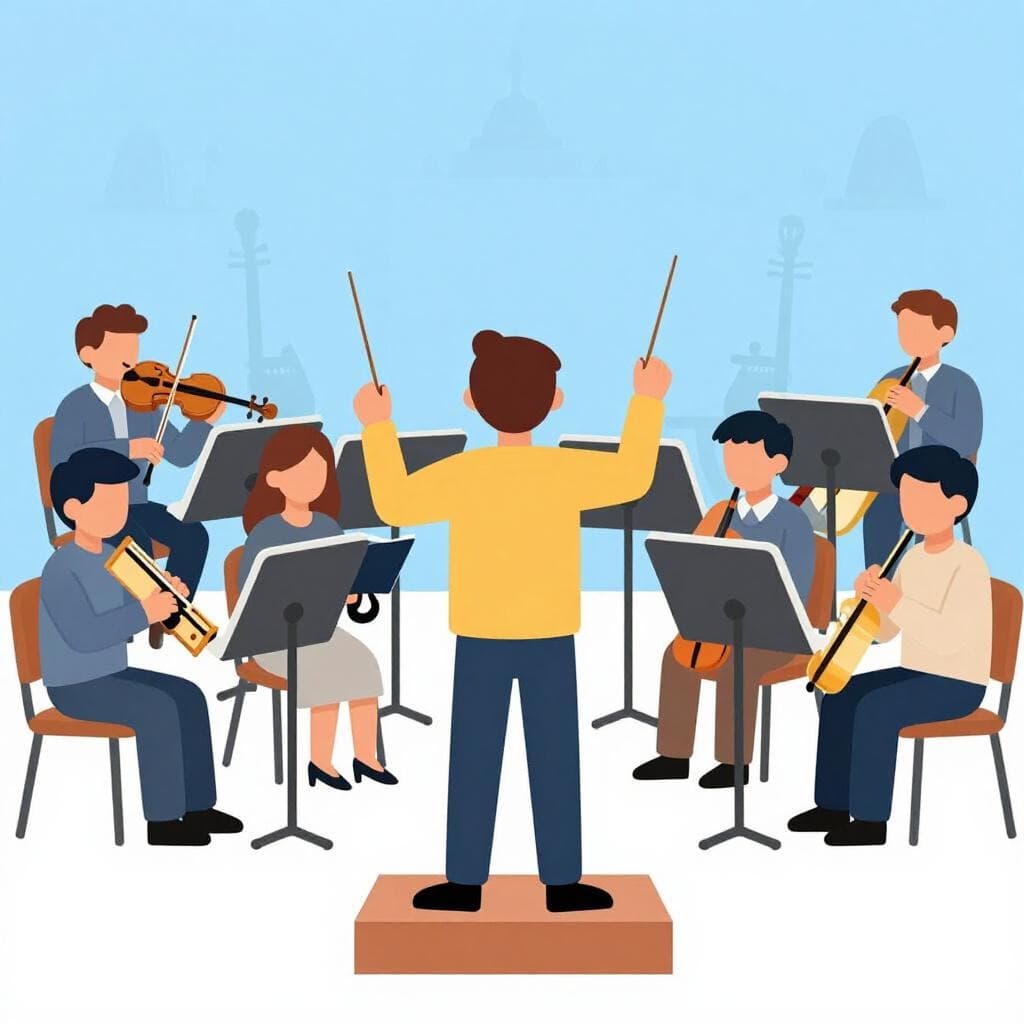
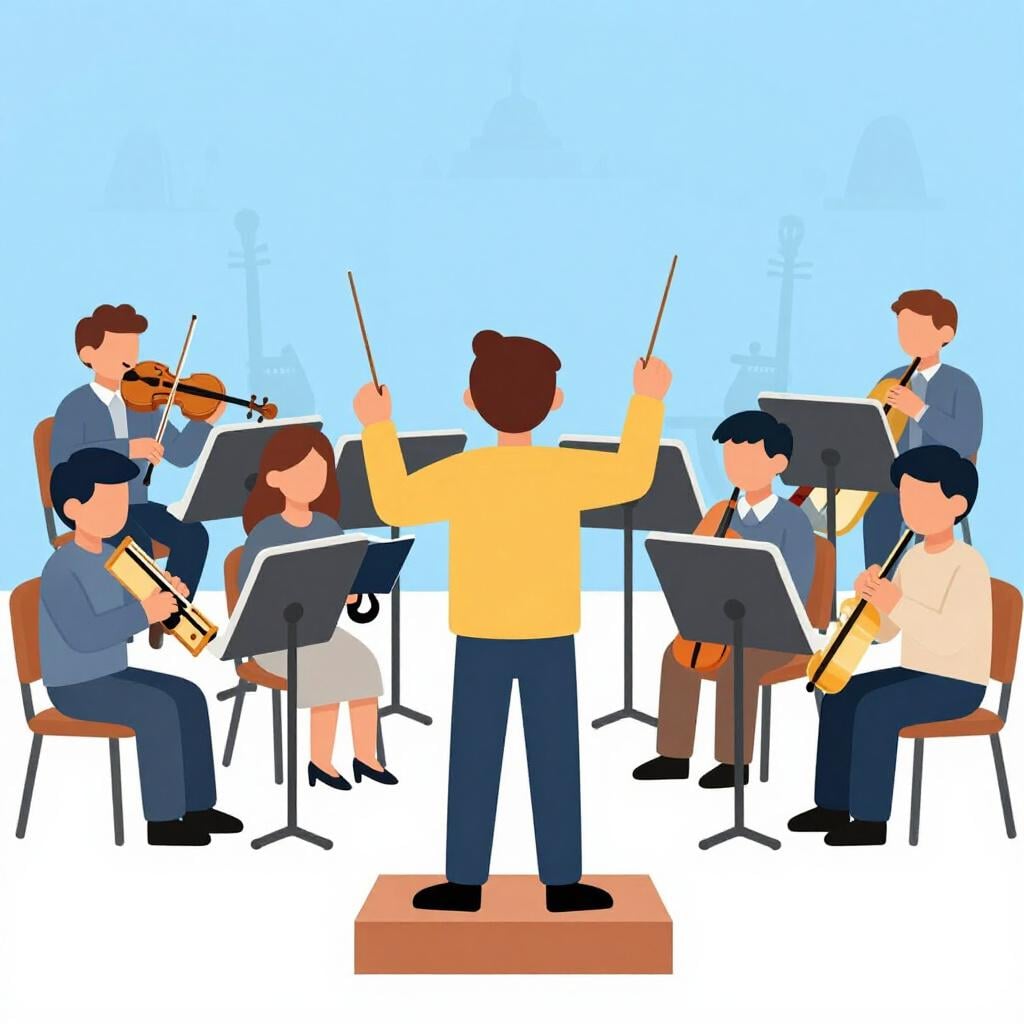
leading figureAlso: big shot, guru
📝 In Action
Él es considerado el pope de la industria tecnológica en el país.
C1He is considered the leading figure of the tech industry in the country.
No es fácil impresionar a los popes del mundo del arte.
C2It is not easy to impress the big shots of the art world.
El gran pope de la moda dio su aprobación a la nueva colección.
C1The fashion guru gave his approval to the new collection.
Word Connections
pope
📝 In Action
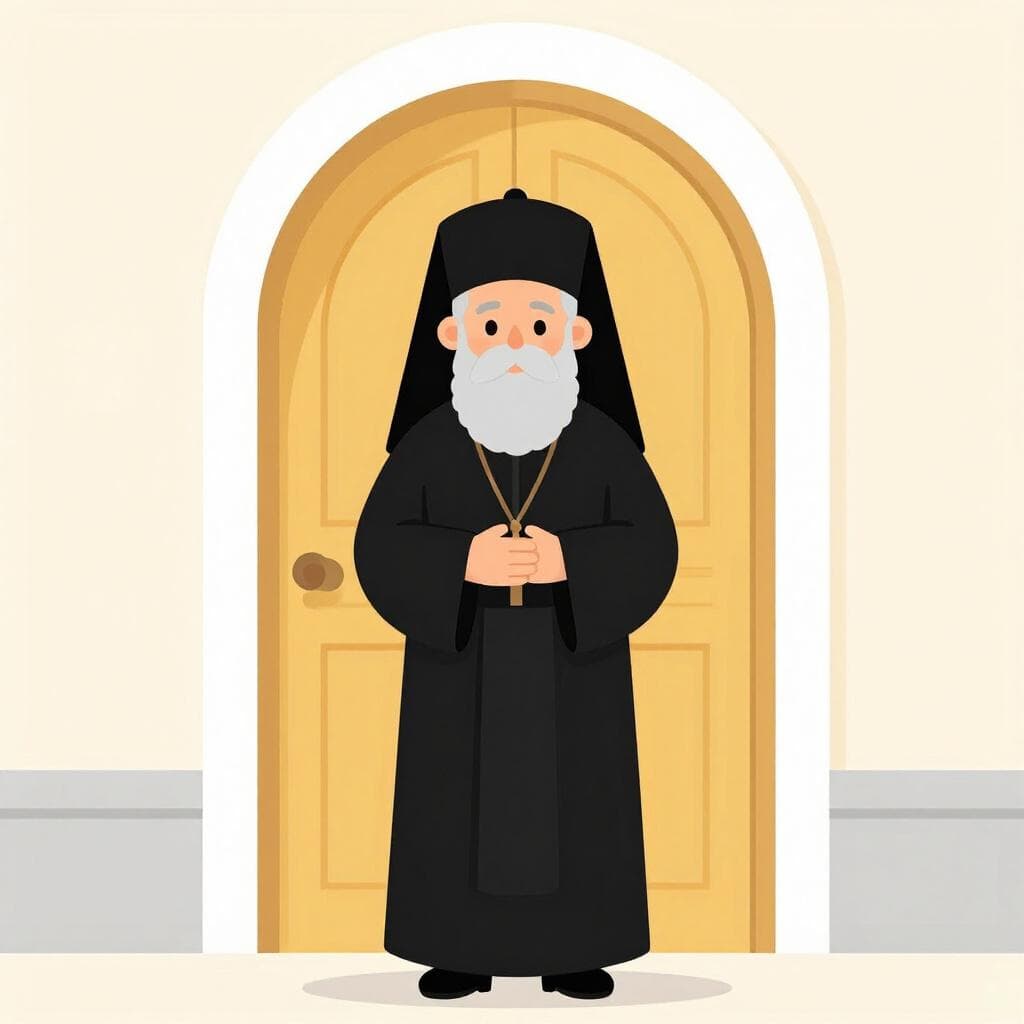
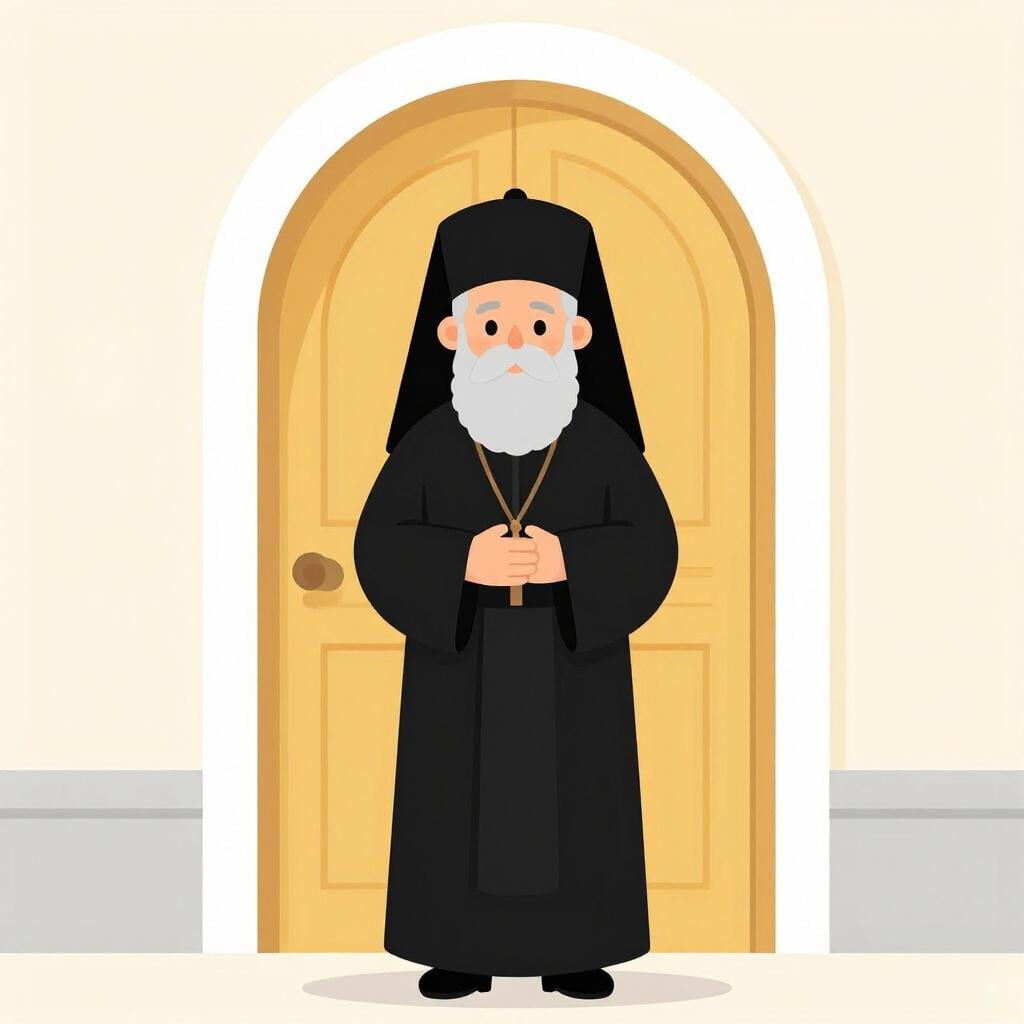
El pope bendijo la casa según el rito ortodoxo.
C2The priest blessed the house according to the Orthodox rite.
Los popes rusos suelen llevar barbas largas.
C2Russian Orthodox priests usually wear long beards.
Hablamos con un pope sobre la historia de su parroquia.
C2We spoke with an Orthodox priest about the history of his parish.
Word Connections
Translate to Spanish
Words that translate to "pope" in Spanish:
✏️ Quick Practice
Quick Quiz: pope
Question 1 of 3
When calling someone 'el pope de la medicina', you mean they are:
📚 More Resources
👥 Word Family
🎵 Rhymes
📚 Etymology
From the Russian 'pop' (priest), which traces back to the Greek 'pappas', an affectionate word for 'father'.
First recorded: 19th century (in the religious sense in Spanish)
Cognates (Related words)
💡 Master Spanish
Take your Spanish to the next level. Read 200+ illustrated and narrated Spanish stories tailored to your level with the Inklingo app!
Frequently Asked Questions
Is 'pope' a common word in daily Spanish?
No, it is relatively rare. You'll mostly encounter it in high-level literature, journalism, or when discussing religion.
Does 'pope' change to 'popa' for a woman?
No. When used figuratively to mean 'big shot,' you would still say 'ella es un pope' or more commonly use a different word like 'líder' or 'eminencia'.
Is 'pope' offensive?
Not inherently, but it can be used with a touch of irony to describe someone who thinks they are more important than they actually are.