preguntamos
“preguntamos” means “we ask” in Spanish. It has 2 different meanings depending on context:
we ask, we are askingAlso: we inquire
📝 In Action
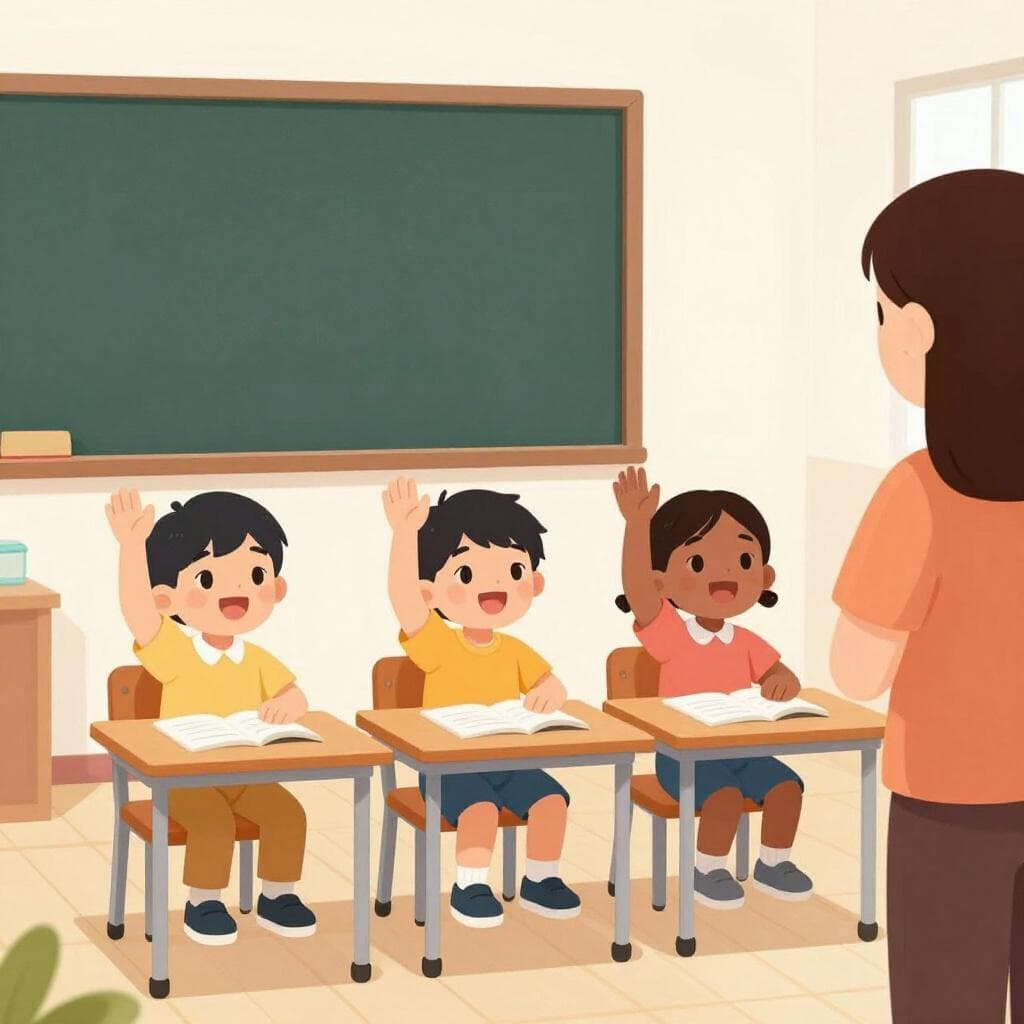
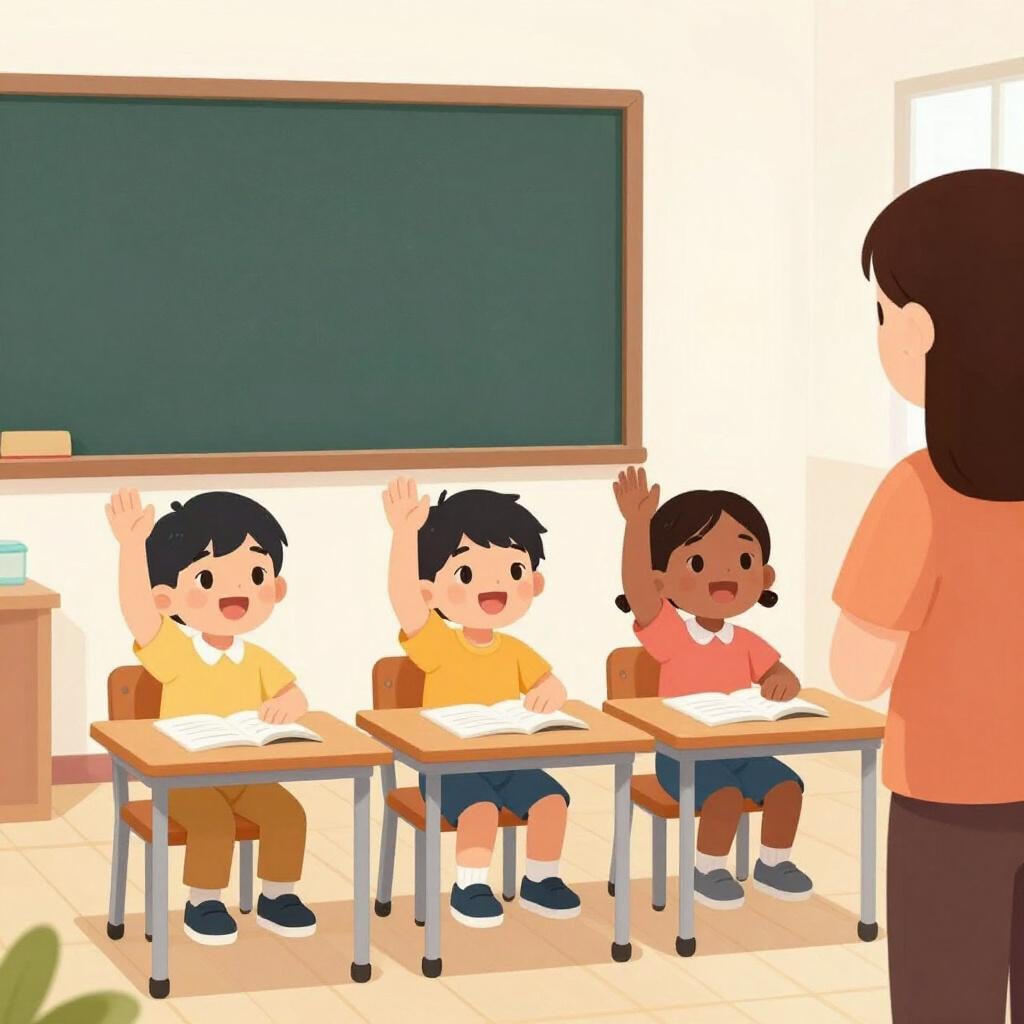
Nosotros siempre preguntamos el precio primero.
A1We always ask the price first.
Le preguntamos al profesor cuando no entendemos.
A1We ask the teacher when we don't understand.
Word Connections
we asked
📝 In Action
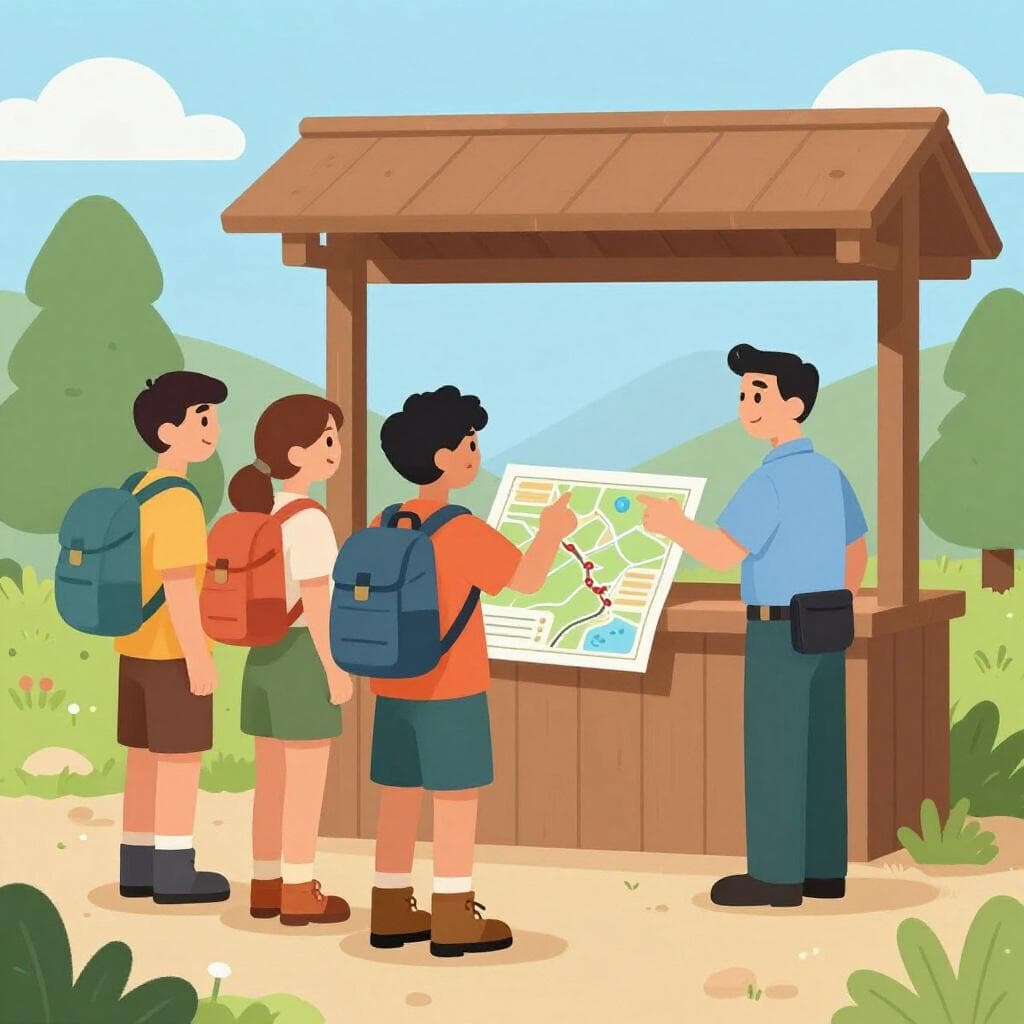
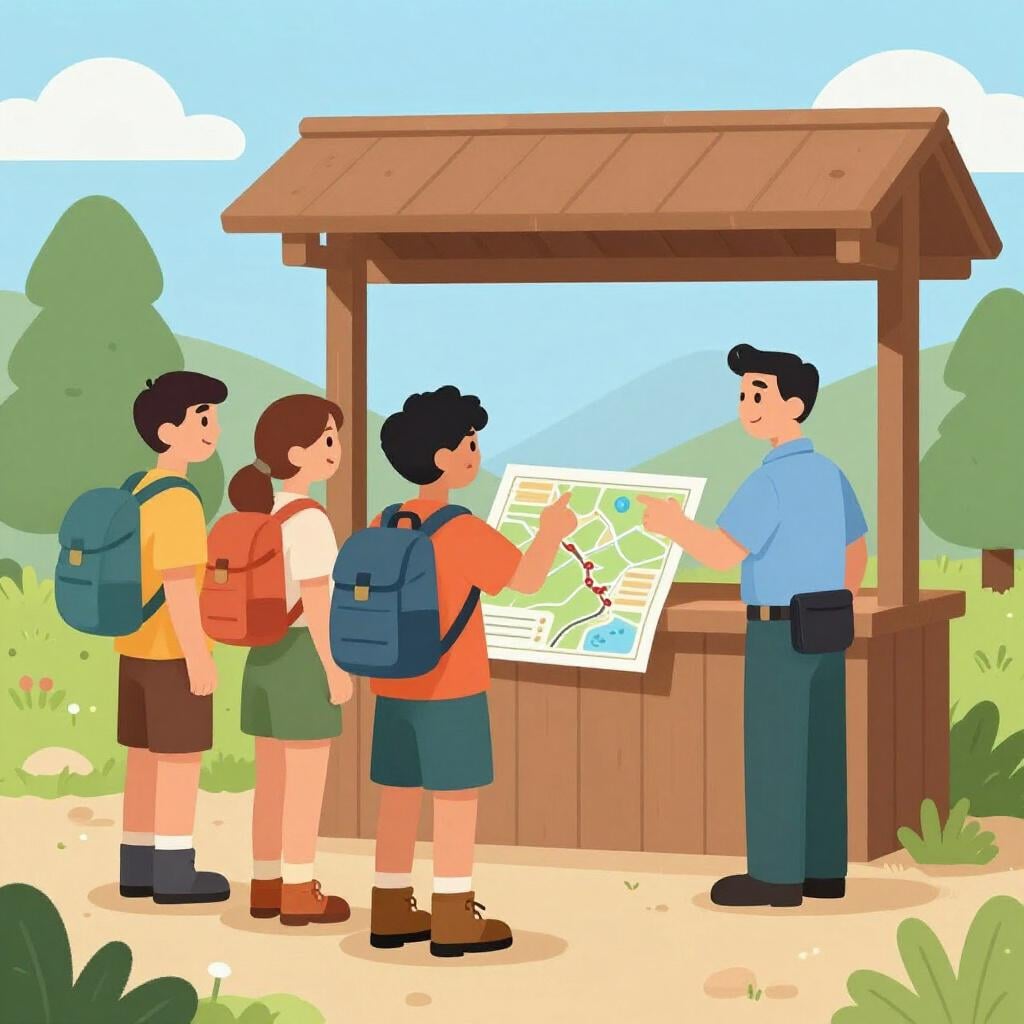
Ayer preguntamos cómo llegar al hotel.
A2Yesterday we asked how to get to the hotel.
Ya le preguntamos a María y ella no sabe nada.
A2We already asked María and she doesn't know anything.
Subjunctive
Imperfect Subjunctive
Present Subjunctive
Indicative
Preterite
Imperfect
Present
Translate to Spanish
Words that translate to "preguntamos" in Spanish:
✏️ Quick Practice
Quick Quiz: preguntamos
Question 1 of 2
How do you say 'We ask the time' in Spanish?
📚 More Resources
👥 Word Family
📚 Etymology
From the Latin word 'percontari', which meant to probe or investigate with a pole (a 'contus'). It evolved into a general word for seeking information.
First recorded: 12th century
Cognates (Related words)
💡 Master Spanish
Take your Spanish to the next level. Read 200+ illustrated and narrated Spanish stories tailored to your level with the Inklingo app!
Frequently Asked Questions
Is 'preguntamos' used in all Spanish-speaking countries?
Yes, it is the standard way to say 'we ask' everywhere in the Spanish-speaking world.
Do I need to include 'nosotros' before it?
Not usually! Since 'preguntamos' is a unique ending that already means 'we,' you can leave out the word 'nosotros' unless you want to emphasize who is asking.