preocupan
“preocupan” means “they worry” in Spanish (when the subject is plural (e.g., The problems worry me)).
they worry, they concern
Also: you worry (plural, formal)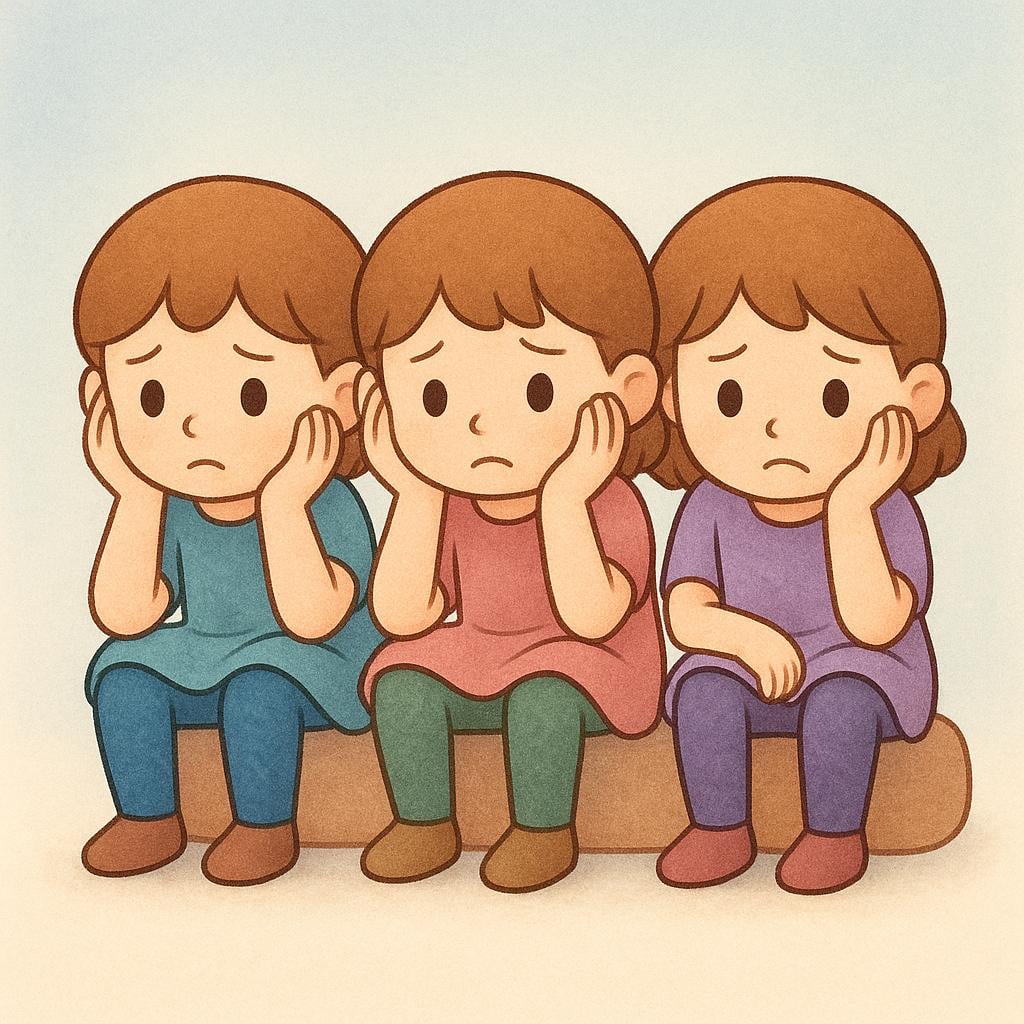
📝 In Action
Los resultados de las elecciones me preocupan mucho.
A2The election results worry me a lot.
¿Esos ruidos extraños te preocupan a ti también?
B1Do those strange noises worry you too?
Mis padres dicen que las notas de mi hermano no les preocupan.
B1My parents say my brother's grades don't concern them.
Los cambios en el clima preocupan a la comunidad científica.
B2The climate changes concern the scientific community.
Indicative
Preterite
Present
Imperfect
Subjunctive
Present Subjunctive
Imperfect Subjunctive
Translate to Spanish
✏️ Quick Practice
Quick Quiz: preocupan
Question 1 of 1
Which sentence correctly uses 'preocupan'?
📚 More Resources
👥 Word Family▼
🎵 Rhymes▼
📚 Etymology▼
The root comes from the Latin verb *praeoccupare*, which meant 'to seize beforehand' or 'to take possession of in advance.' In Spanish, this evolved to mean that a thought or concern 'takes possession' of your mind.
First recorded: 13th century
Cognates (Related words)
💡 Master Spanish
Take your Spanish to the next level. Read 200+ illustrated and narrated Spanish stories tailored to your level with the Inklingo app!
Frequently Asked Questions
What is the difference between 'preocupan' and 'se preocupan'?
'Preocupan' means 'they cause worry to someone else' (e.g., 'Las deudas nos preocupan' = The debts worry us). 'Se preocupan' means 'they worry themselves' (e.g., 'Ellos se preocupan por el futuro' = They worry about the future). Use the 'se' form when the subject is the one feeling the emotion.