psicópata
“psicópata” means “psychopath” in Spanish. It has 2 different meanings depending on context:

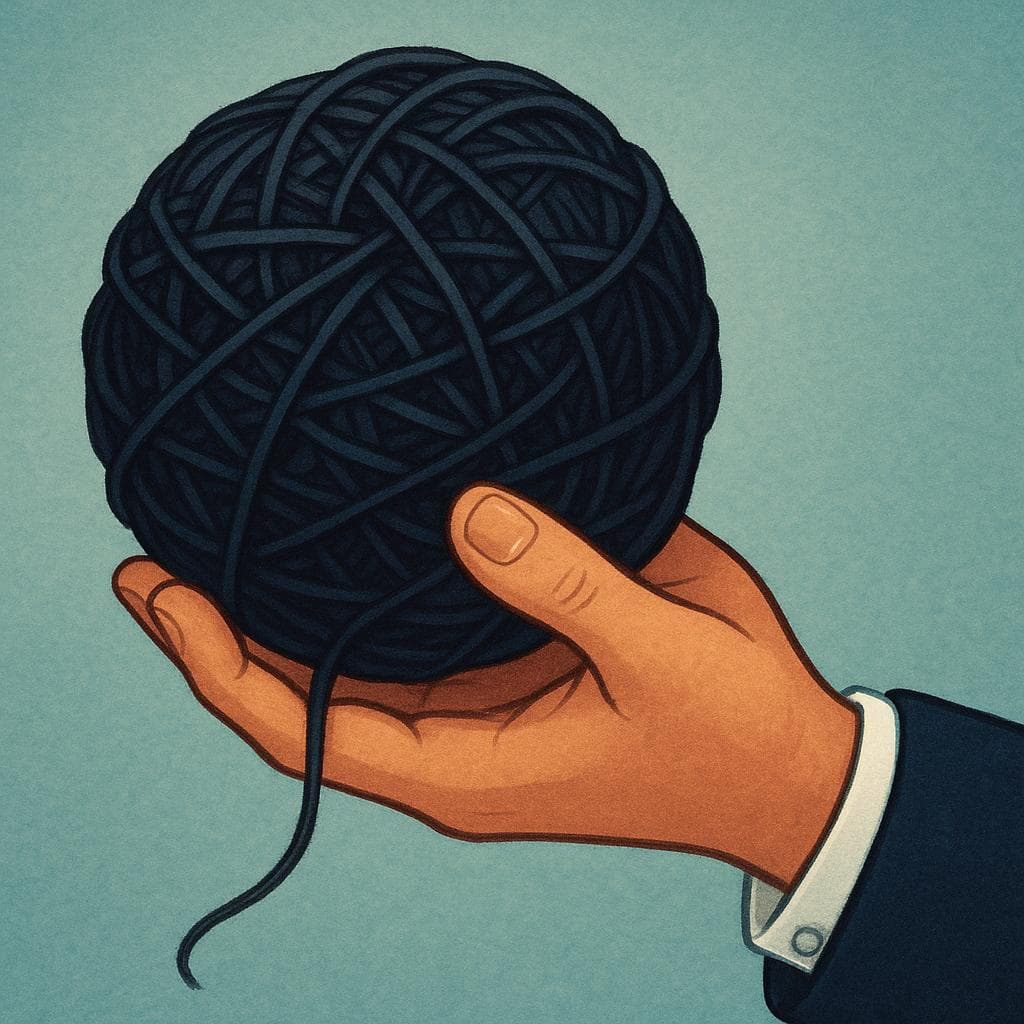
psychopathAlso: sociopath

📝 In Action
El psicópata manipuló a todos sin mostrar remordimiento.
C1The psychopath manipulated everyone without showing remorse.
La psicópata fue identificada por su falta de empatía.
C1The female psychopath was identified by her lack of empathy.
Muchos personajes de películas de terror son psicópatas.
B2Many characters in horror movies are psychopaths.
Word Connections
psychopathicAlso: sociopathic

📝 In Action
Tenía una personalidad totalmente psicópata.
C1He had a completely psychopathic personality.
Sus acciones fueron descritas como psicópatas por el jurado.
C2His actions were described as psychopathic by the jury.
Word Connections
Translate to Spanish
Words that translate to "psicópata" in Spanish:
✏️ Quick Practice
Quick Quiz: psicópata
Question 1 of 1
Which sentence correctly uses 'psicópata' to refer to a woman?
📚 More Resources
👥 Word Family
🎵 Rhymes
📚 Etymology
This word comes from ancient Greek. The first part, 'psico-', means 'mind' or 'soul.' The second part, '-pata,' comes from the Greek word for 'suffering' or 'disease.' So, the word literally describes someone with a 'suffering mind' or 'mental disease.'
First recorded: Mid-19th century (in its modern clinical use)
Cognates (Related words)
💡 Master Spanish
Take your Spanish to the next level. Read 200+ illustrated and narrated Spanish stories tailored to your level with the Inklingo app!
Frequently Asked Questions
Is 'psicópata' the same as 'sociópata'?
While they are often used interchangeably in general conversation, technically, 'psicópata' (psychopath) is generally considered to be innate (inborn), while 'sociópata' (sociopath) is thought to be learned through environmental factors and trauma.
Can I use 'psicópata' to describe a thing, not a person?
Yes, you can use it as an adjective to describe traits or actions, like 'una acción psicópata' (a psychopathic action), but it is most commonly used to label the person themselves.