punk
“punk” means “punk” in Spanish. It has 3 different meanings depending on context:
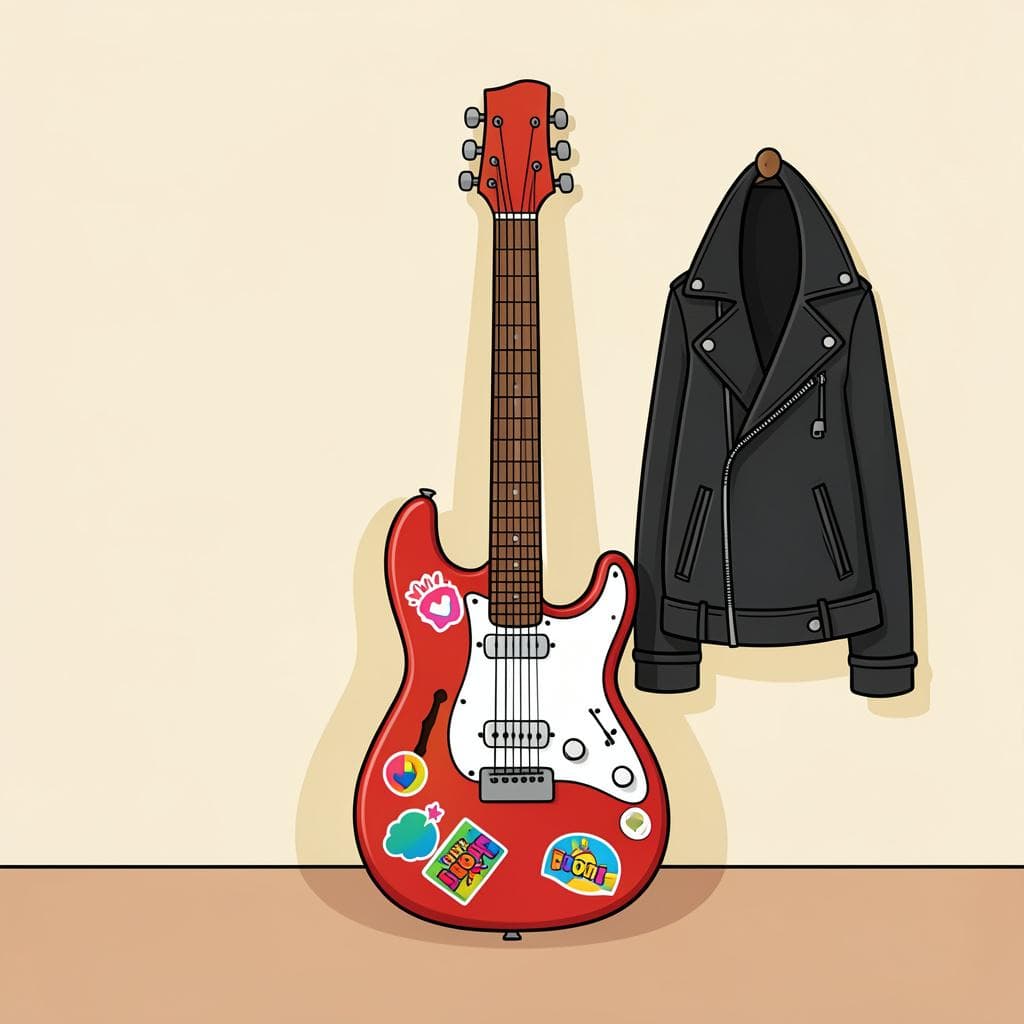

punk
Also: punk rock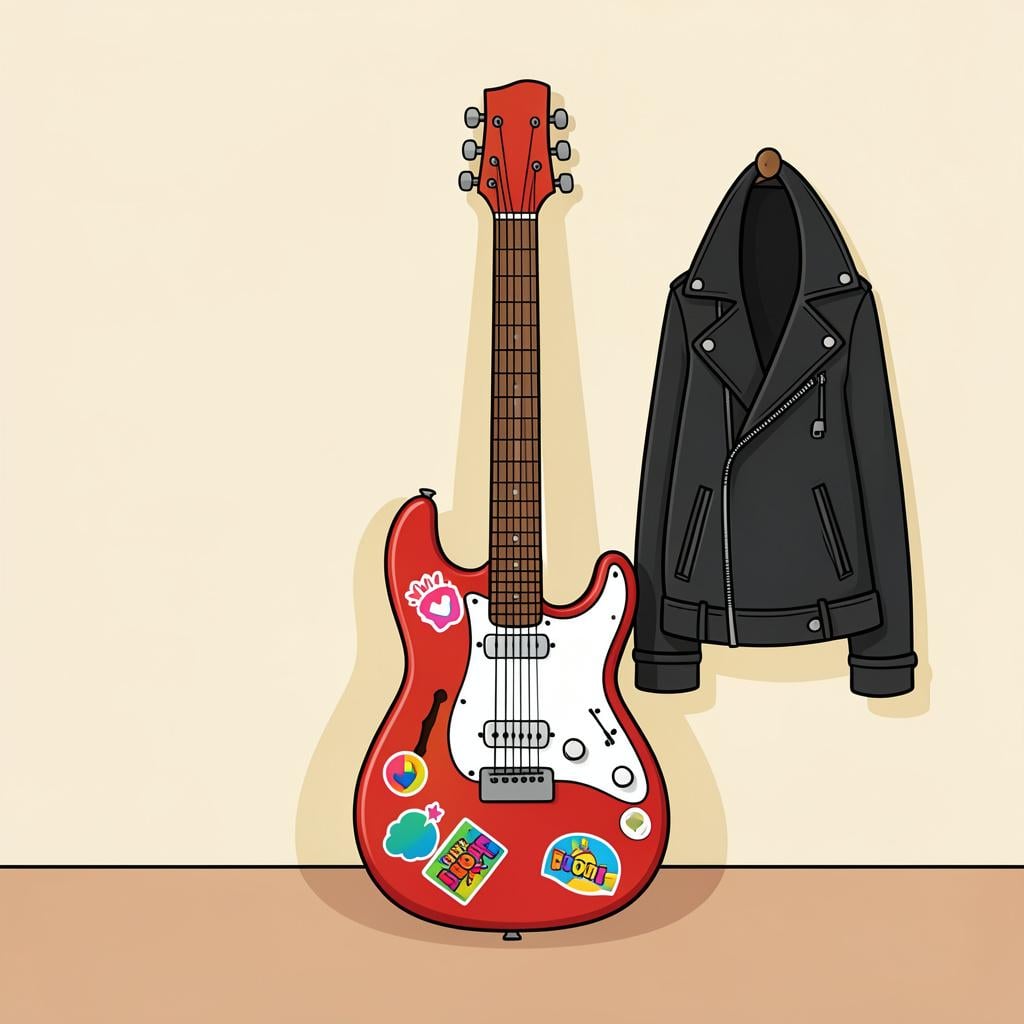
📝 In Action
El punk cambió la historia de la música en los años setenta.
B1Punk changed the history of music in the seventies.
Prefiero el punk al pop porque es más rebelde.
B1I prefer punk over pop because it is more rebellious.
punk
Also: punker
📝 In Action
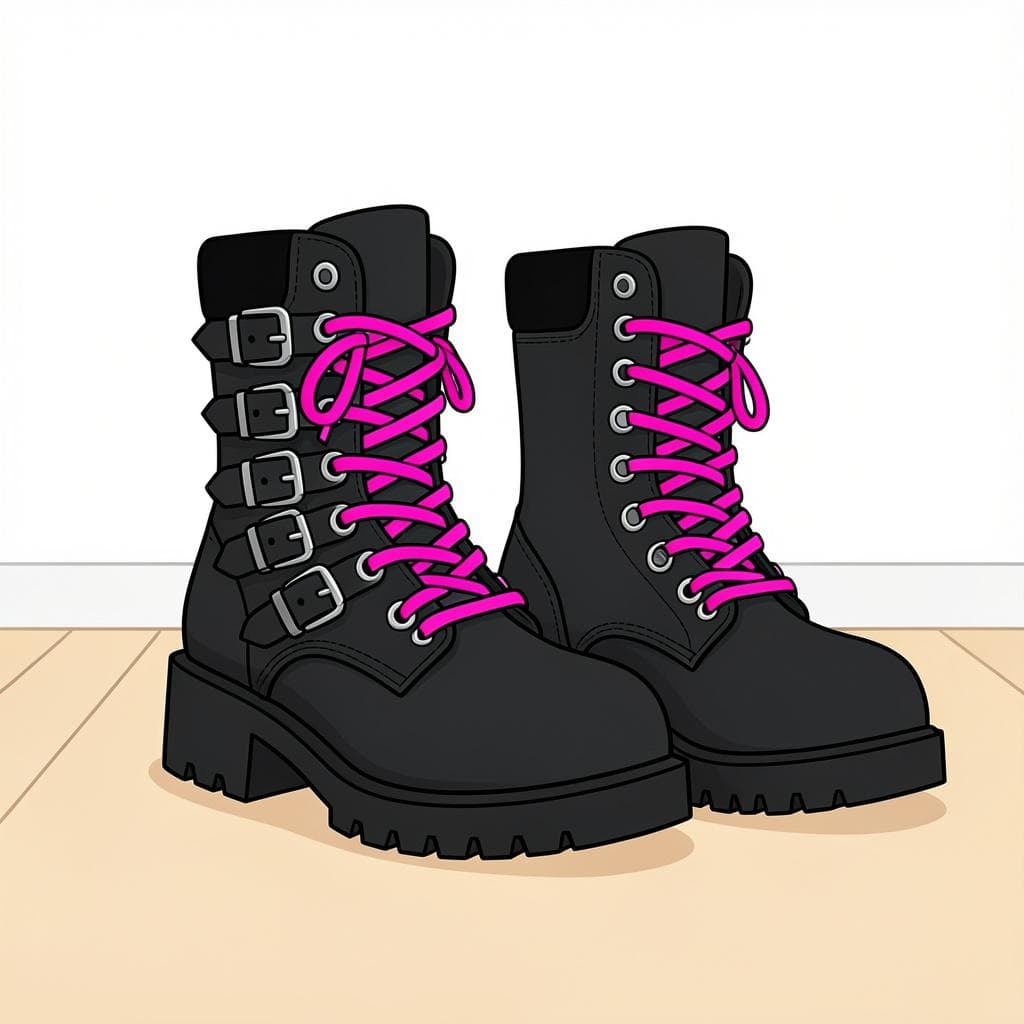
Había muchos punks en el festival de ayer.
B1There were many punks at the festival yesterday.
Ella es una punk de toda la vida.
B2She has been a punk her whole life.
punk
📝 In Action
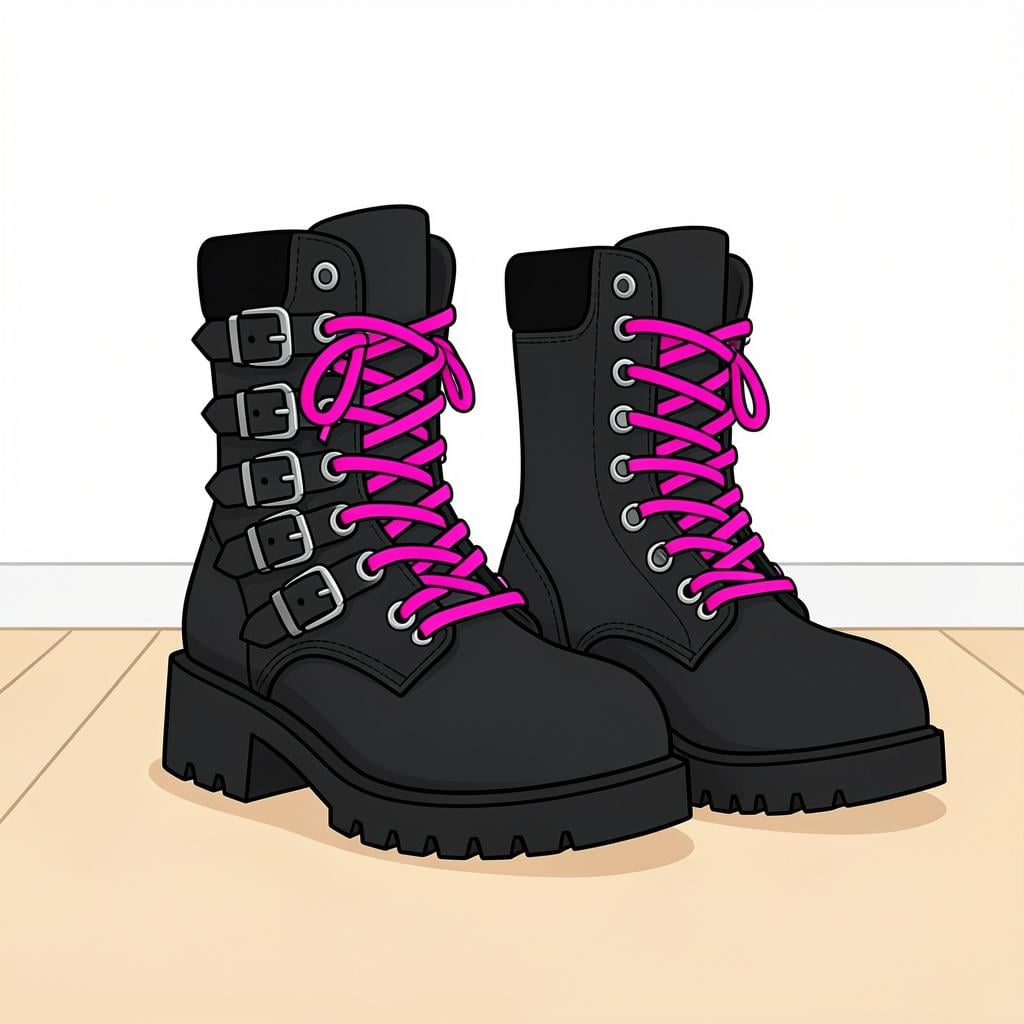
Me compré una chaqueta punk con muchas tachuelas.
B1I bought a punk jacket with many studs.
Tienen una actitud muy punk ante los problemas.
B2They have a very punk attitude toward problems.
Translate to Spanish
✏️ Quick Practice
Quick Quiz: punk
Question 1 of 2
How do you say 'The punk girl' in Spanish?
📚 More Resources
👥 Word Family▼
📚 Etymology▼
Directly borrowed from English 'punk', which originally meant something worthless or a rotten person, but was reclaimed by the music movement in the 1970s.
First recorded: 1970s (widely used since the explosion of the music scene)
Cognates (Related words)
💡 Master Spanish
Take your Spanish to the next level. Read 200+ illustrated and narrated Spanish stories tailored to your level with the Inklingo app!
Frequently Asked Questions
Do I need to translate 'punk' into another word in Spanish?
No! Spanish speakers use the word 'punk' just like in English. In some countries, they might add a suffix like 'punki' or 'punketo', but everyone will understand 'punk'.
Does 'punk' have a plural form?
Yes, you can say 'punks' to refer to multiple people who follow the subculture.