How to Say "punk" in Spanish
The most common Spanish word for “punk” is “punk” — use 'punk' when referring to the music genre, the associated subculture, or a person who identifies with it.
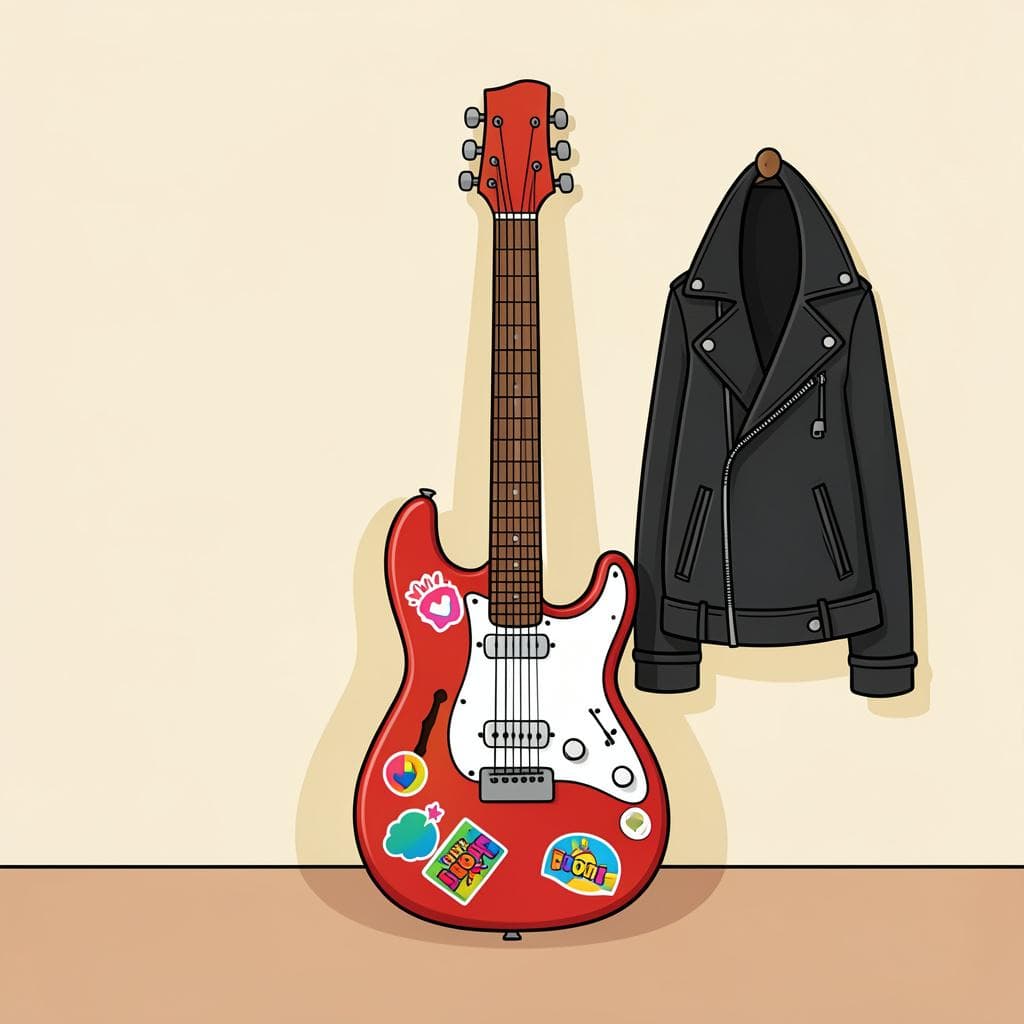

punk
púnkpuŋk
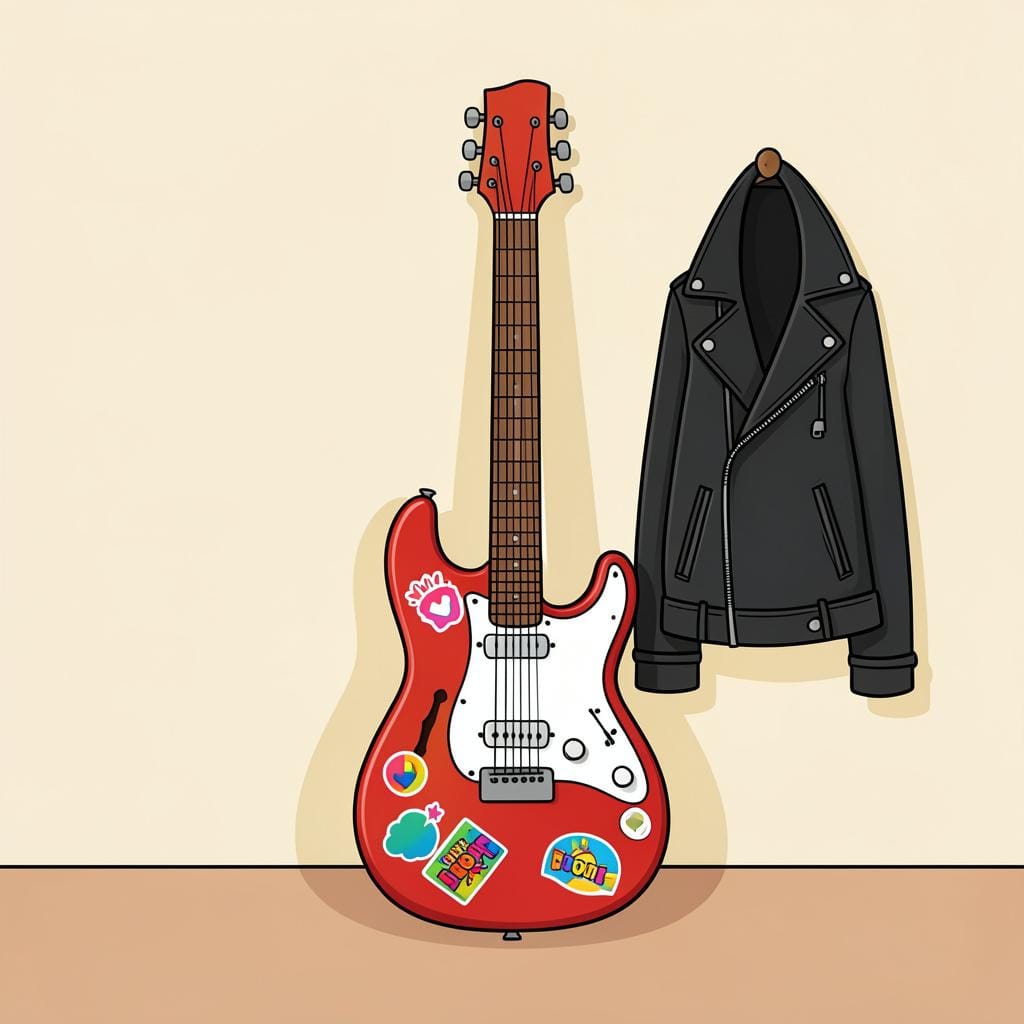
Examples
El punk cambió la historia de la música en los años setenta.
Punk changed the history of music in the seventies.
Prefiero el punk al pop porque es más rebelde.
I prefer punk over pop because it is more rebellious.
Había muchos punks en el festival de ayer.
There were many punks at the festival yesterday.
Ella es una punk de toda la vida.
She has been a punk her whole life.
Borrowed Words
This is a 'loanword' taken directly from English. In Spanish, it keeps its English spelling but is treated as a masculine noun.
Gender and People
When referring to a person, the word doesn't change its ending. Use 'el punk' for a man and 'la punk' for a woman.
Invariant Adjectives
This word doesn't change to match the thing it describes. Whether you are talking about a boy, a girl, or a group of things, it always stays 'punk'.
Gender agreement
Mistake: “La punk (referring to the music).”
Correction: Always use 'el punk' when talking about the music genre.
Don't add an 'a'
Mistake: “Una punka.”
Correction: Say 'una punk'. The word doesn't change to look feminine; only the 'un' or 'una' before it changes.
punk
púnkpuŋk
Examples
Me compré una chaqueta punk con muchas tachuelas.
I bought a punk jacket with many studs.
El punk cambió la historia de la música en los años setenta.
Punk changed the history of music in the seventies.
Prefiero el punk al pop porque es más rebelde.
I prefer punk over pop because it is more rebellious.
Había muchos punks en el festival de ayer.
There were many punks at the festival yesterday.
Borrowed Words
This is a 'loanword' taken directly from English. In Spanish, it keeps its English spelling but is treated as a masculine noun.
Gender and People
When referring to a person, the word doesn't change its ending. Use 'el punk' for a man and 'la punk' for a woman.
Invariant Adjectives
This word doesn't change to match the thing it describes. Whether you are talking about a boy, a girl, or a group of things, it always stays 'punk'.
Gender agreement
Mistake: “La punk (referring to the music).”
Correction: Always use 'el punk' when talking about the music genre.
Don't add an 'a'
Mistake: “Una punka.”
Correction: Say 'una punk'. The word doesn't change to look feminine; only the 'un' or 'una' before it changes.
mocoso
mo-KOH-sohmoˈkoso

Examples
Ese mocoso me robó el asiento en el autobús.
That brat stole my seat on the bus.
No voy a dejar que un mocoso me diga qué hacer.
I'm not going to let some snot-nosed kid tell me what to do.
Using adjectives as nouns
In Spanish, words that describe things (adjectives) can easily become nouns just by adding 'the' (el/un) in front of them. 'Mocoso' literally means 'snotty,' but here it means 'a snotty person.'
Don't use with your boss
Mistake: “Calling a younger coworker 'mocoso' in a meeting.”
Correction: Use 'joven' or their name; 'mocoso' is usually seen as an insult or a very aggressive way to call someone immature.
Distinguishing 'punk' from 'mocoso'
Related Translations
Learn Spanish with Inklingo
Interactive stories, personalized learning, and more.