pura
“pura” means “pure” in Spanish. It has 3 different meanings depending on context:
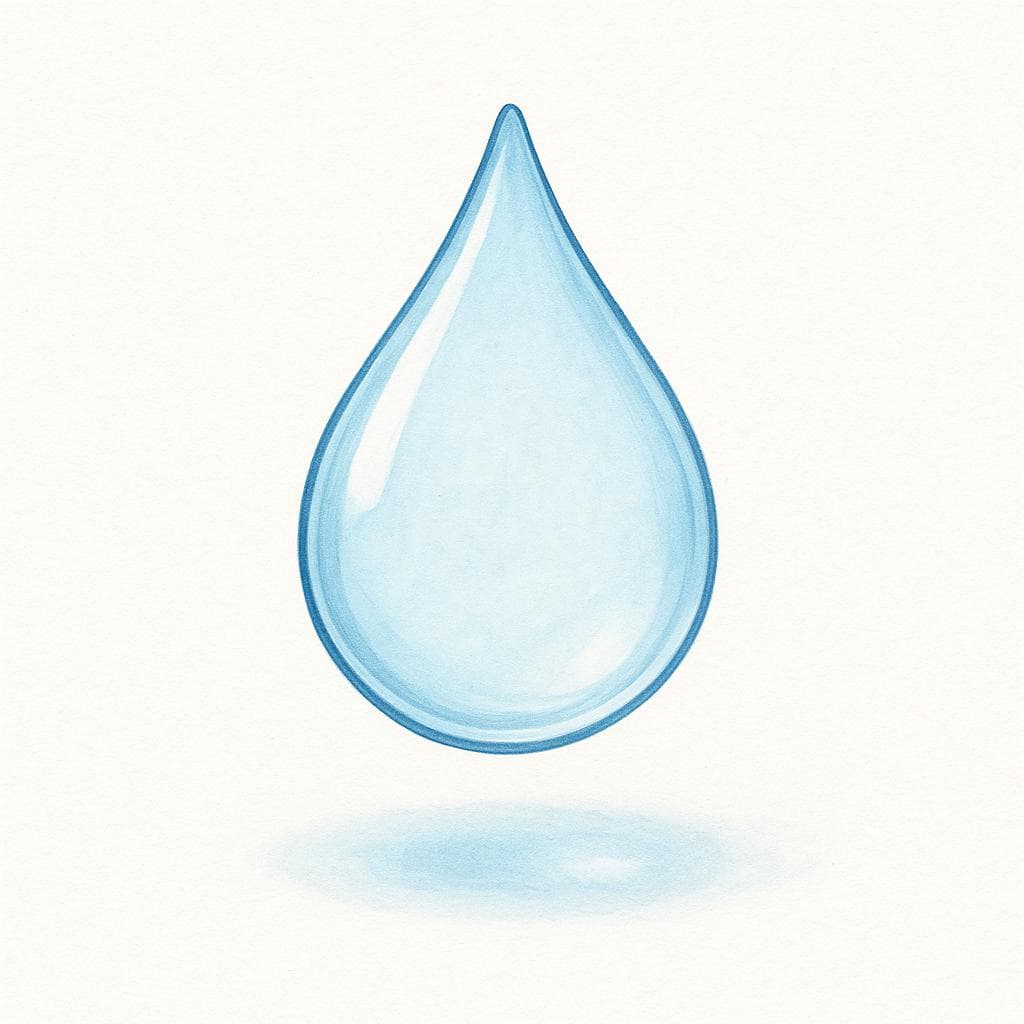

pure, unadulterated
Also: clean, chaste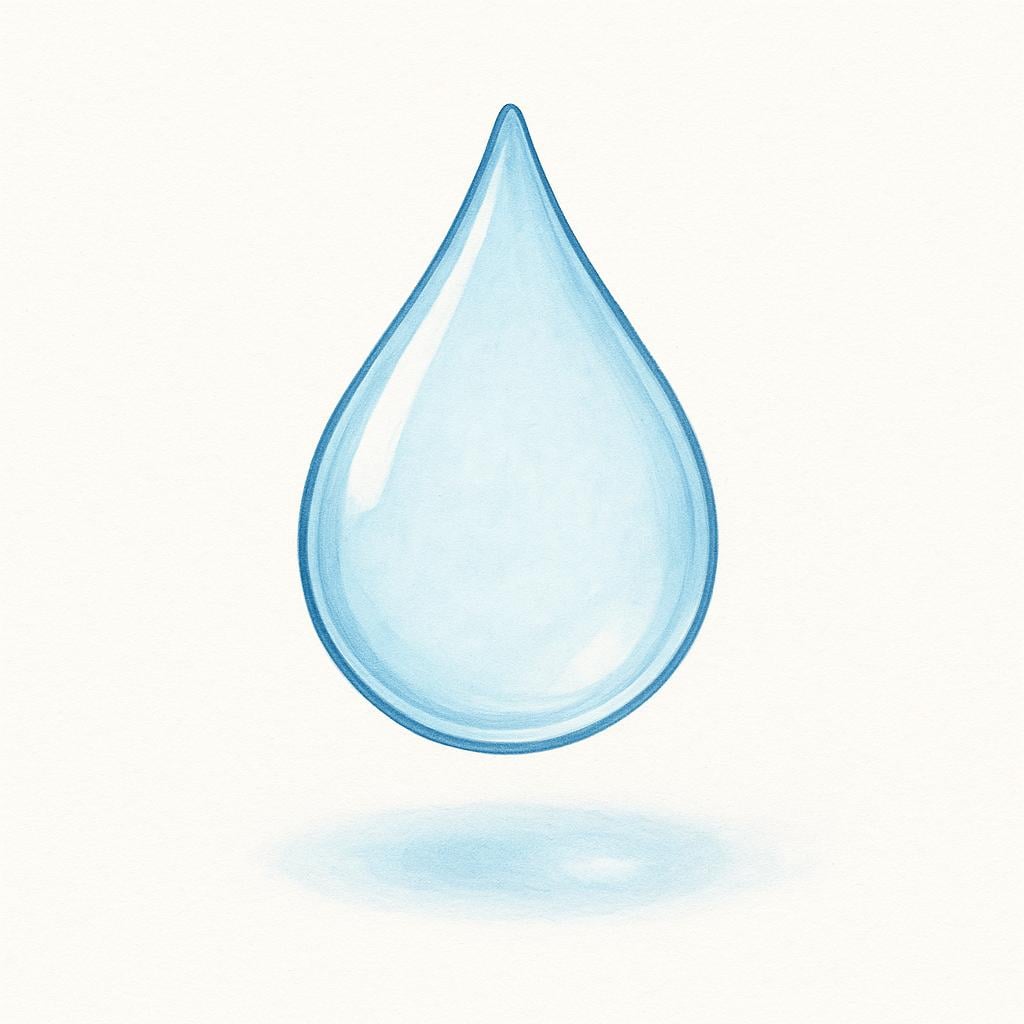
📝 In Action
Necesito agua pura para la receta.
A2I need pure water for the recipe.
El aire de la montaña es puro, ¡qué maravilla!
B1The mountain air is pure, how marvelous!
sheer, absolute
Also: utter, genuine
📝 In Action
Fue pura coincidencia que nos encontráramos allí.
B2It was sheer coincidence that we ran into each other there.
Sintió una pura felicidad al ver a su hija.
C1She felt absolute happiness upon seeing her daughter.
nothing but
Also: solely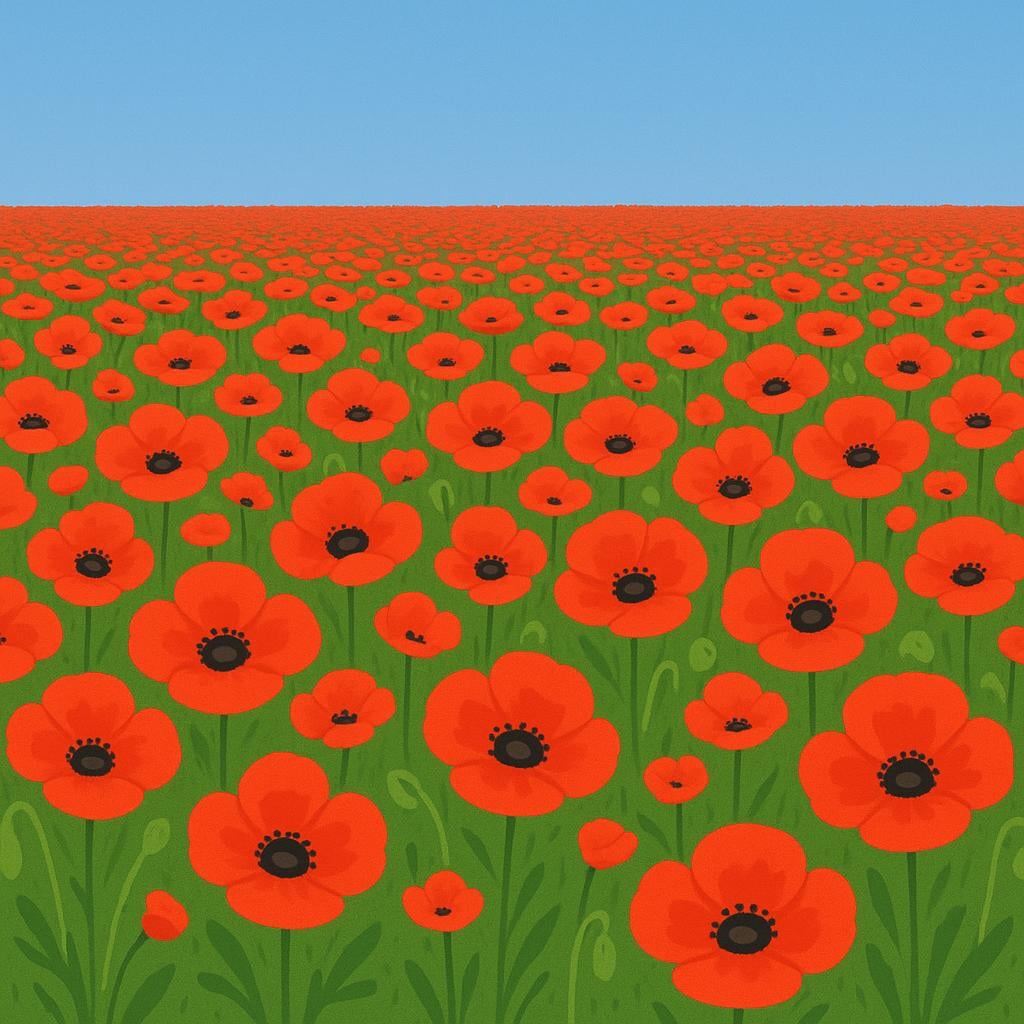
📝 In Action
Ella pasa el día en pura televisión.
B1She spends the day watching nothing but TV. (or: just TV)
Mi hermana come pura fruta.
B1My sister eats only fruit.
✏️ Quick Practice
Quick Quiz: pura
Question 1 of 2
Which meaning of 'pura' is used in the phrase: 'Mi abuela tiene pura bondad en su corazón.'
📚 More Resources
📚 Etymology▼
The word 'pura' comes directly from the Latin word *pūrus*, which meant 'clean, untainted, unmixed.' It has maintained this core meaning across its evolution into Spanish.
First recorded: 13th century
Cognates (Related words)
💡 Master Spanish
Take your Spanish to the next level. Read 200+ illustrated and narrated Spanish stories tailored to your level with the Inklingo app!
Frequently Asked Questions
What is the difference between 'puro' and 'pura'?
'Puro' is the masculine form and is used with masculine nouns (e.g., 'puro oro' - pure gold). 'Pura' is the feminine form and is used with feminine nouns (e.g., 'pura agua' - pure water). They mean the same thing, but you must match the gender.
Can 'pura' be used to describe people?
Yes, but it's less common today and can sound old-fashioned. When describing a person, 'pura' means 'chaste' or 'innocent.' It is much more frequently used to describe objects, substances, or abstract qualities like 'suerte' (luck) or 'alegría' (joy).