Inklingo

póngase

/POHN-gah-seh/

put on

A person formally dressed putting their arm into a bright red jacket.

Póngase: Use this to formally tell someone to put on clothing or accessories.

póngase(Verb)

A2irregular, reflexive er

put on

?

clothing or accessories (formal command)

Also:

wear

?

formal instruction

📝 In Action

Doctor, póngase los guantes antes de empezar.

A2

Doctor, put on your gloves before starting.

Si va a salir, póngase un abrigo, hace mucho frío.

A1

If you are going out, put on a coat, it is very cold.

Póngase la mascarilla, por favor, es obligatorio.

A2

Put on your mask, please, it's mandatory.

Word Connections

Synonyms

  • vístase (dress yourself (formal command))
  • colóquese (place yourself/put on (formal command))

Antonyms

  • quítese (take off (formal command))

Common Collocations

  • Póngase el uniformePut on the uniform

💡 Grammar Points

Formal Command Structure

This is a formal command ('usted' form). The verb part ('ponga') is followed immediately by the pronoun ('se'), which is why it has an accent mark over the 'ó'.

Reflexive Action

Using 'se' indicates that the action (putting on) is done by the person speaking to, and affects them directly (putting the coat on oneself).

❌ Common Pitfalls

Incorrect Pronoun Placement

Mistake: "Se ponga el abrigo."

Correction: Póngase el abrigo. (Pronouns always attach to affirmative commands.)

⭐ Usage Tips

Using the Accent

The accent on the 'o' is crucial. It keeps the natural stress of the verb 'ponga' when the pronoun 'se' is added.

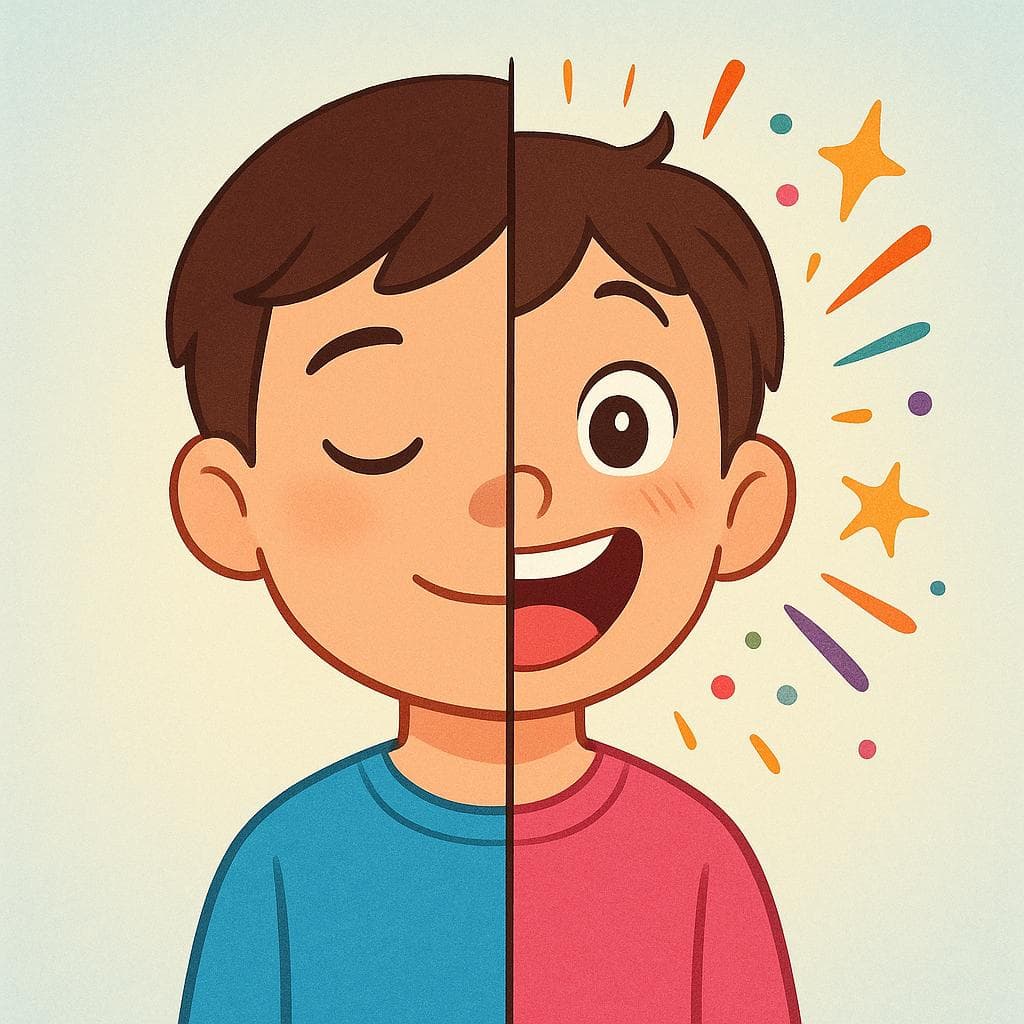
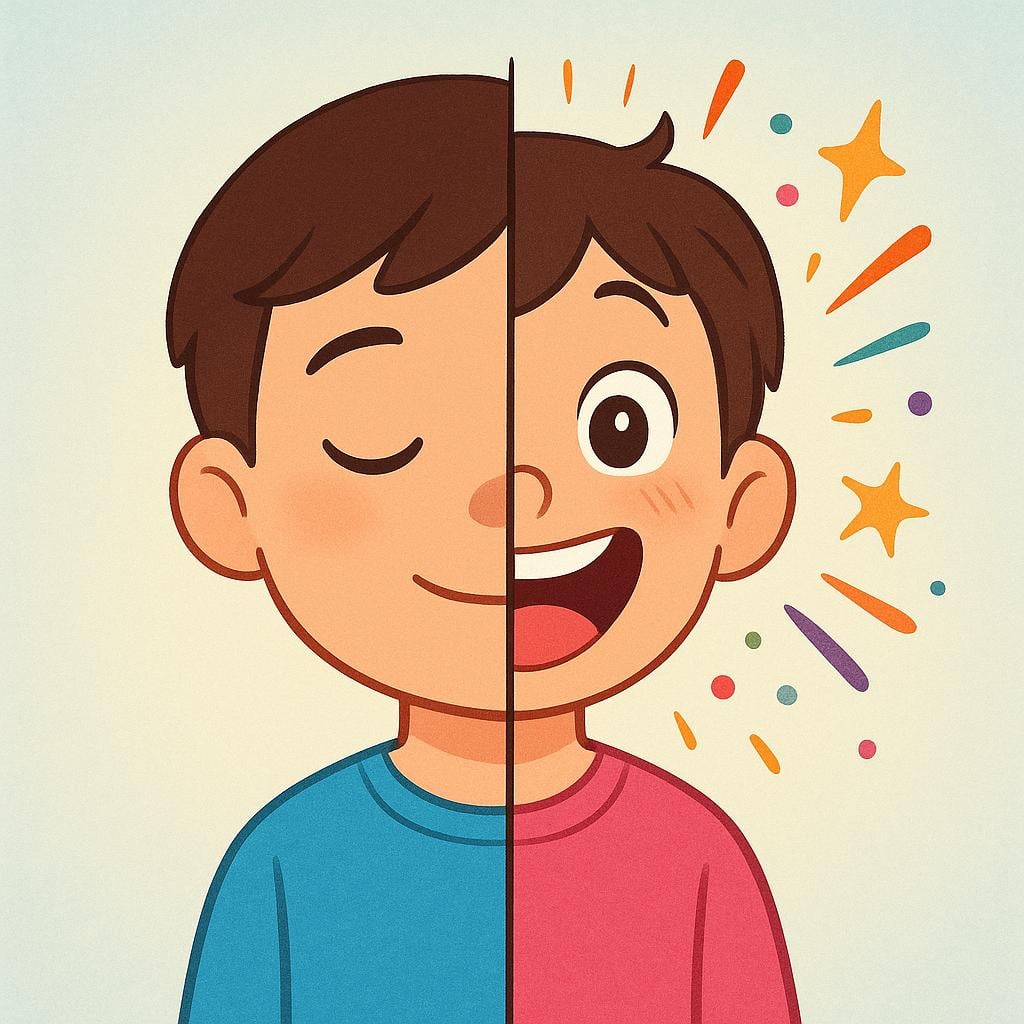
A character's face changing expression from neutral to a wide, joyful smile, surrounded by bright yellow light, illustrating a change in state.

Póngase: This can be used to formally command someone to get into a certain state or condition (like 'get happy' or 'get well').

póngase(Verb)

B1irregular, reflexive er

get

?

change to a state or condition (formal command)

Also:

become

?

formal instruction to change mood or state

,

turn

?

referring to a color change

📝 In Action

Póngase cómodo, la reunión empezará pronto.

B1

Get comfortable, the meeting will start soon.

No se preocupe, póngase tranquilo y respire.

B1

Don't worry, become calm (get calm) and breathe.

Si tiene fiebre, póngase una toalla fría en la frente.

B2

If you have a fever, put a cold towel on your forehead (get a cold towel on yourself).

Word Connections

Synonyms

  • relájese (relax (formal command))
  • convénzase (convince yourself (formal command))

Common Collocations

  • Póngase serioGet serious

💡 Grammar Points

Temporary Changes

When used with adjectives (like 'cómodo' or 'tranquilo'), 'ponerse' describes a temporary change in feeling or state, often sudden.

⭐ Usage Tips

Use with Adjectives

This meaning is almost always followed by an adjective describing the new state: Póngase + Adjective (e.g., feliz, triste, rojo).

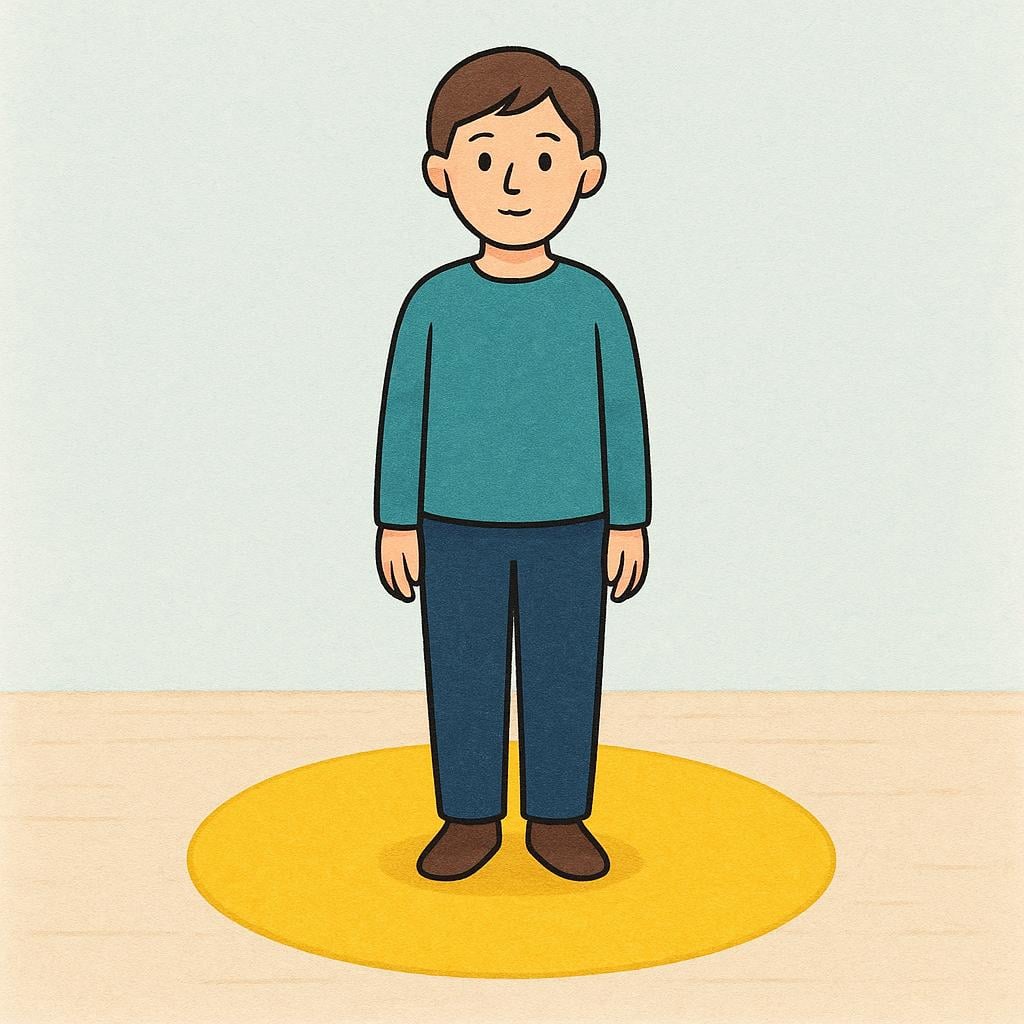
A simple, stylized figure standing perfectly upright and still on a small, marked yellow circle on the ground.

Póngase: Use this to formally tell someone to stand or place themselves in a specific position.

póngase(Verb)

B1irregular, reflexive er

stand

?

place oneself in a position (formal command)

Also:

position yourself

?

formal instruction on location

📝 In Action

Póngase junto a la ventana para ver mejor.

B1

Stand next to the window to see better.

Si va a hablar, póngase de pie, por favor.

B2

If you are going to speak, stand up, please.

Póngase en la fila para que podamos atenderlo.

B1

Get in line so we can assist you.

Word Connections

Synonyms

  • sitúese (locate yourself (formal command))
  • párese (stand up (formal command))

Antonyms

Common Collocations

  • Póngase de acuerdoReach an agreement

💡 Grammar Points

Implied Movement

In this context, 'póngase' implies a short movement or action to take a specific location or posture.

⭐ Usage Tips

Use with Prepositions

This meaning usually involves prepositions that indicate location or position (e.g., 'junto a', 'detrás de', 'en').

✏️ Quick Practice

💡 Quick Quiz: póngase

Question 1 of 2

Which English translation best fits the sentence: 'Póngase el traje de baño, el agua está perfecta.'

📚 More Resources

Word Family

poner(to put, to place) - verb

Frequently Asked Questions

Why does 'póngase' have an accent mark?

The accent mark is needed because the pronoun 'se' has been added to the command 'ponga'. If we didn't add the accent, the stress would fall incorrectly on the second syllable (pon-GA-se). The accent ensures the stress stays on the 'o' (PÓN-ga-se), which is where it belongs in the original command.

Is 'póngase' only used for formal situations?

Yes. 'Póngase' is the formal command (usted form). If you were speaking informally to a friend or family member, you would use 'ponte' (e.g., 'ponte el abrigo').