quedaron
“quedaron” means “remained” in Spanish. It has 3 different meanings depending on context:


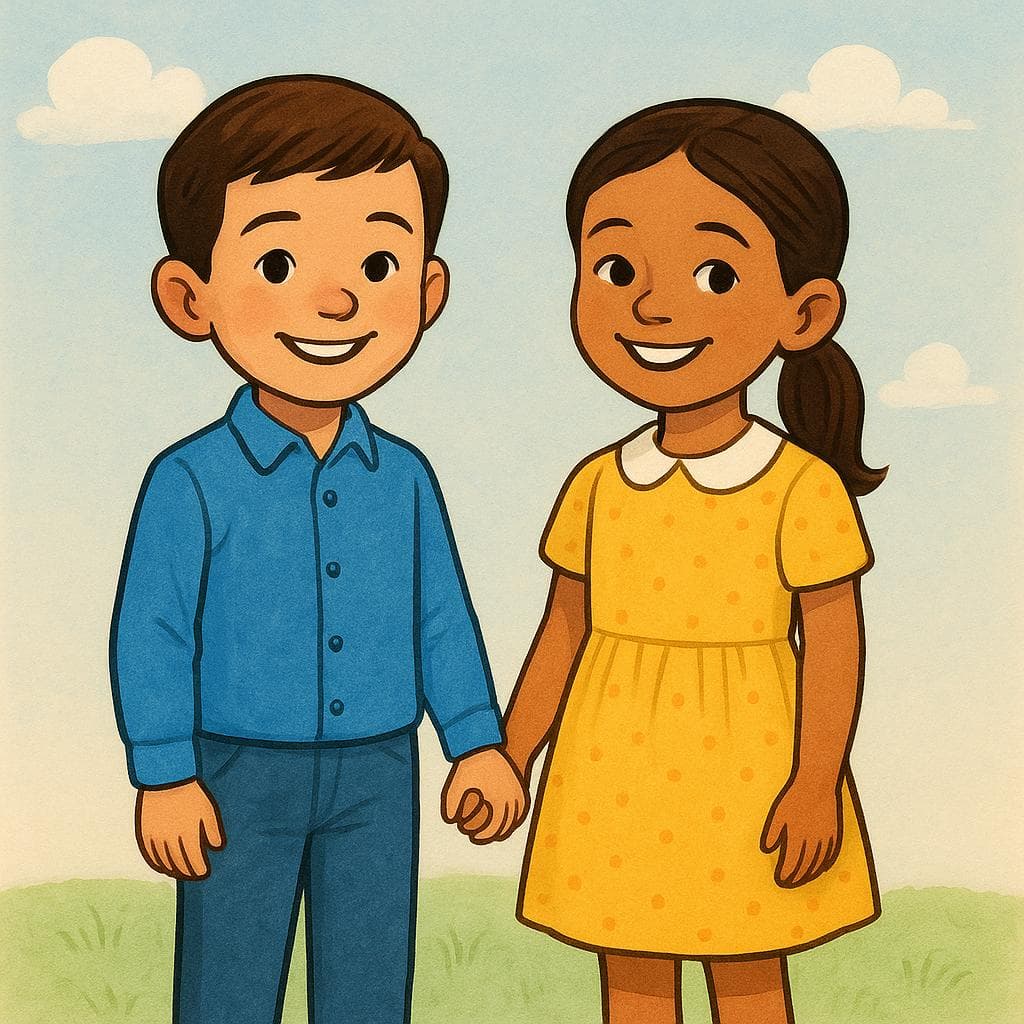
remained, were left
Also: were situated, resulted in
📝 In Action
Después de la fiesta, solo quedaron tres botellas de agua.
A2After the party, only three bottles of water remained (were left).
Los documentos importantes quedaron en el escritorio.
B1The important documents were left on the desk.
arranged to meet, agreed (to meet)
Also: made a date
📝 In Action
Los gerentes quedaron en discutir el contrato el lunes.
B1The managers agreed to discuss the contract on Monday.
Quedaron de cenar juntos, pero ella no apareció.
B2They arranged to have dinner together, but she didn't show up.
looked, fitted
Also: turned out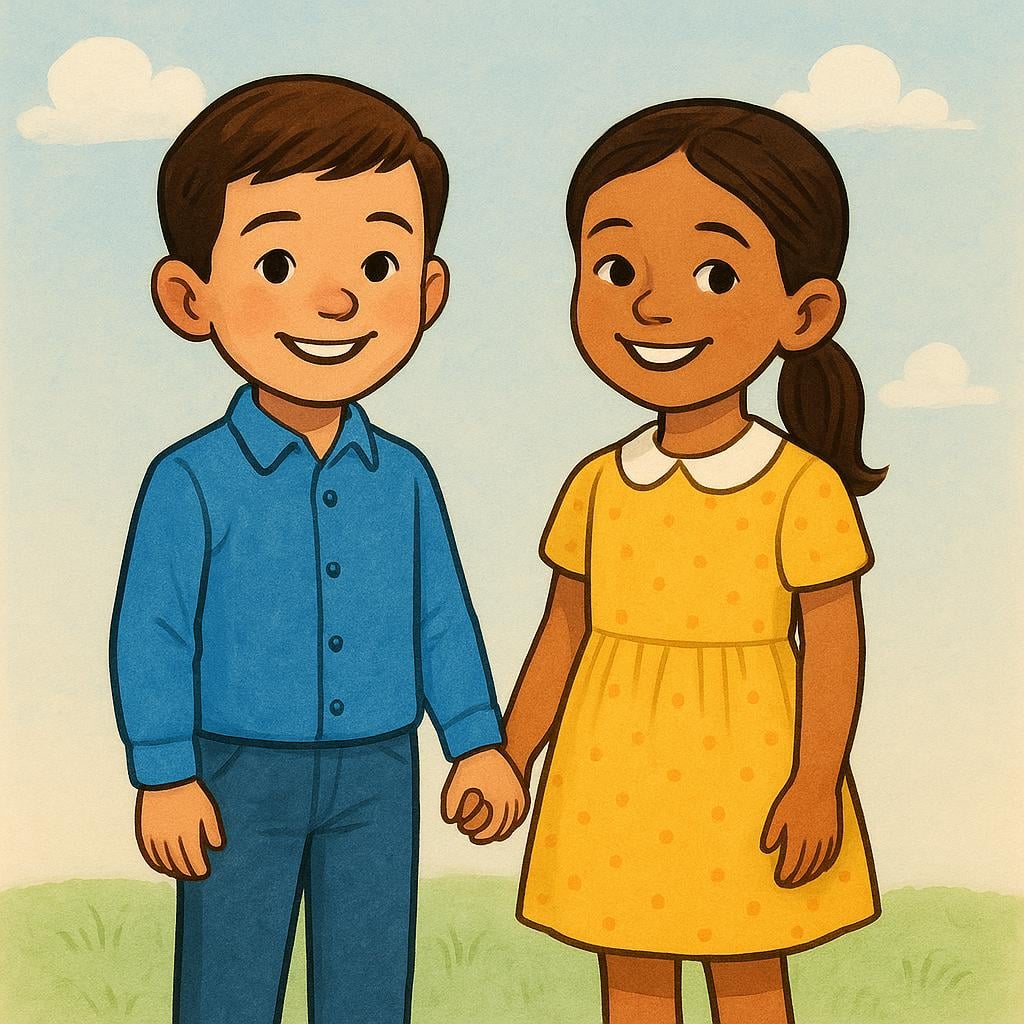
📝 In Action
Los nuevos uniformes quedaron muy elegantes.
B1The new uniforms looked very elegant.
Las cortinas rojas no quedaron bien con la pared azul.
B2The red curtains didn't look good (didn't go well) with the blue wall.
Después de la remodelación, las habitaciones quedaron mucho más amplias.
B2After the remodel, the rooms turned out much more spacious.
Indicative
Present
Imperfect
Preterite
Subjunctive
Present Subjunctive
Imperfect Subjunctive
Translate to Spanish
Words that translate to "quedaron" in Spanish:
fitted→looked→remained→resulted in→turned out→were left→were situated→✏️ Quick Practice
Quick Quiz: quedaron
Question 1 of 2
Which sentence uses 'quedaron' to mean 'they agreed to meet'?
📚 More Resources
👥 Word Family▼
📚 Etymology▼
The verb 'quedar' comes from the Latin verb *quietare*, which originally meant 'to quiet' or 'to settle down.' Over time, its meaning shifted to refer to the state of being settled, still, or remaining in a place.
First recorded: 13th century
Cognates (Related words)
💡 Master Spanish
Take your Spanish to the next level. Read 200+ illustrated and narrated Spanish stories tailored to your level with the Inklingo app!
Frequently Asked Questions
What is the difference between 'quedaron' and 'se quedaron'?
'Quedaron' (non-reflexive) usually means 'they remained' or 'they agreed.' 'Se quedaron' (reflexive) means 'they stayed' in a location, or 'they kept' something. Example: 'Se quedaron en casa' (They stayed at home).
Does 'quedaron' always refer to 'ellos' (they)?
Not always. It is the form for the third-person plural, which can be 'ellos' (they, masculine), 'ellas' (they, feminine), or 'ustedes' (you all, formal or informal depending on the region).