quemado
“quemado” means “burnt” in Spanish. It has 4 different meanings depending on context:
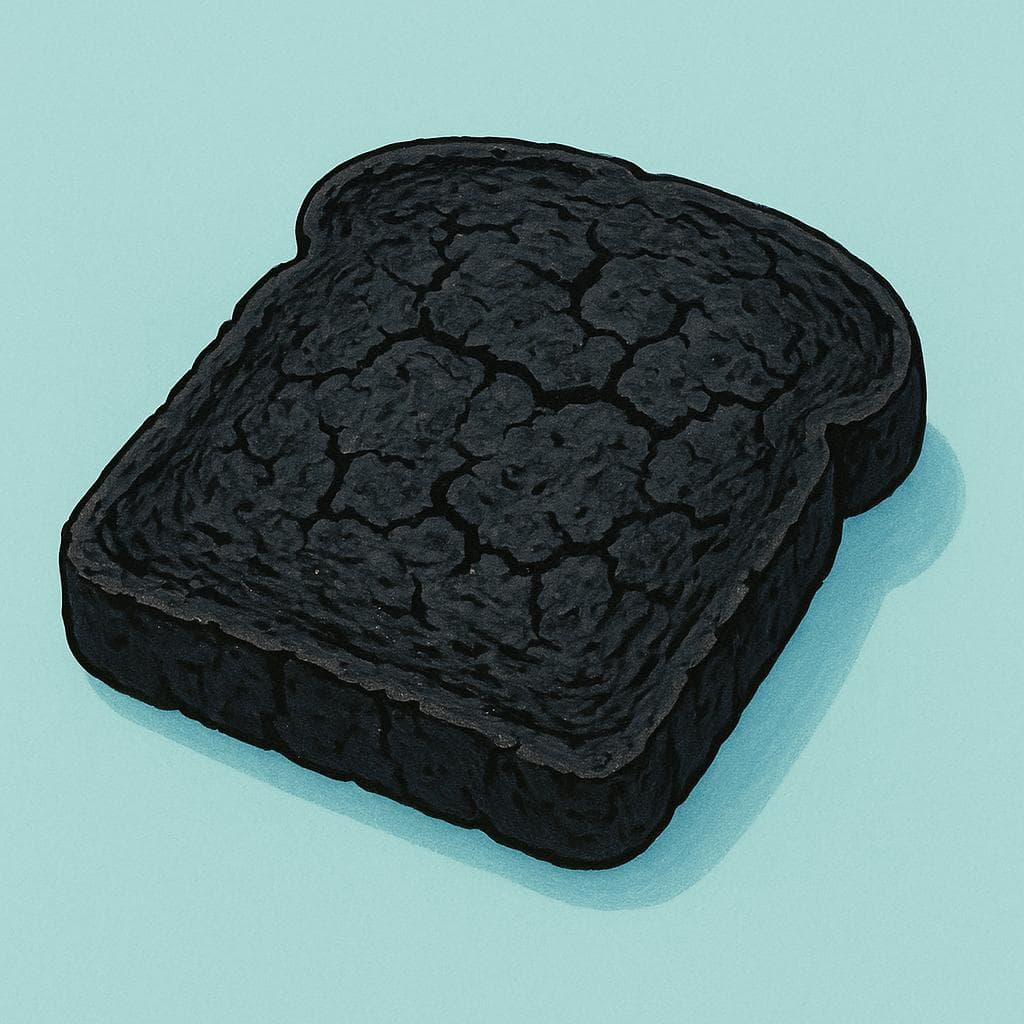

burnt, scorched
Also: sunburned, overcooked
📝 In Action
El cable estaba quemado y tuvimos que reemplazarlo.
A2The cable was burnt and we had to replace it.
Ten cuidado, el arroz está un poco quemado por debajo.
B1Be careful, the rice is a little burnt underneath.
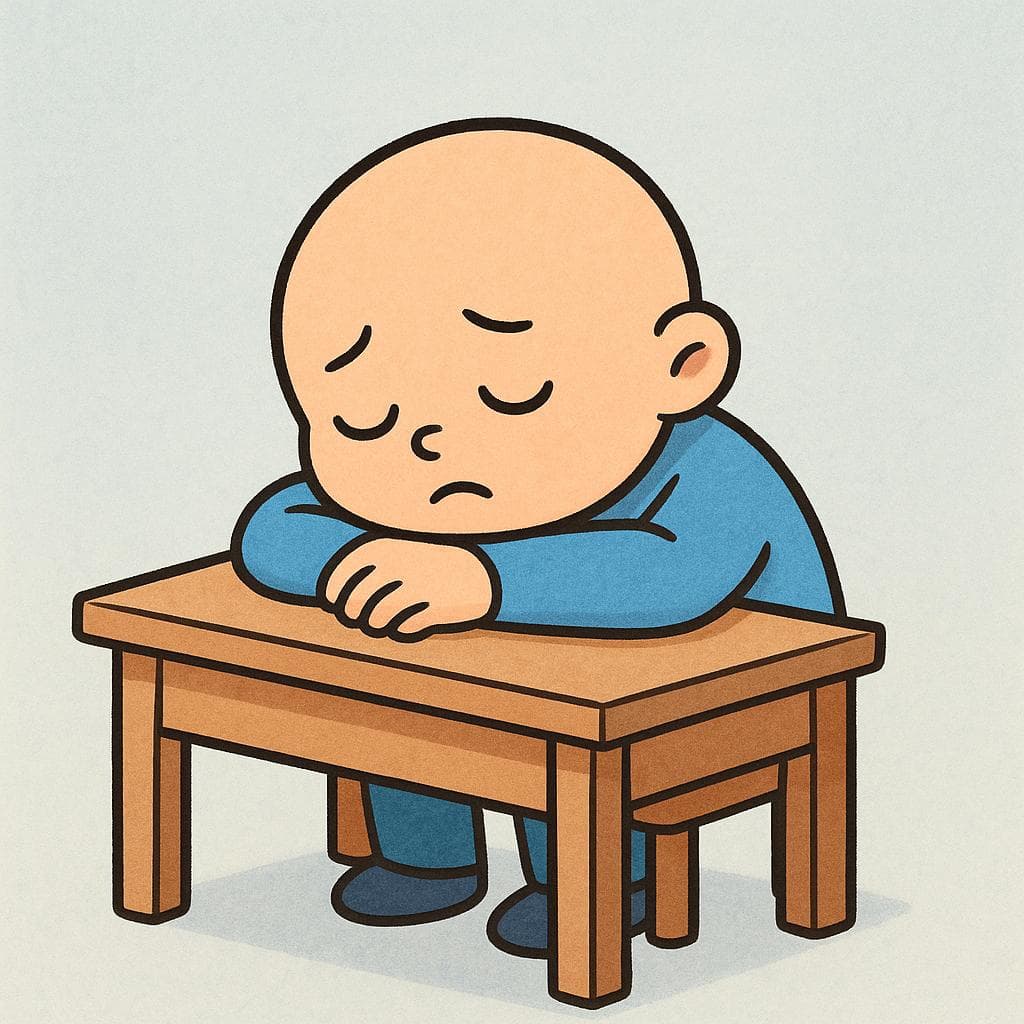
burnt out, fed up
Also: done for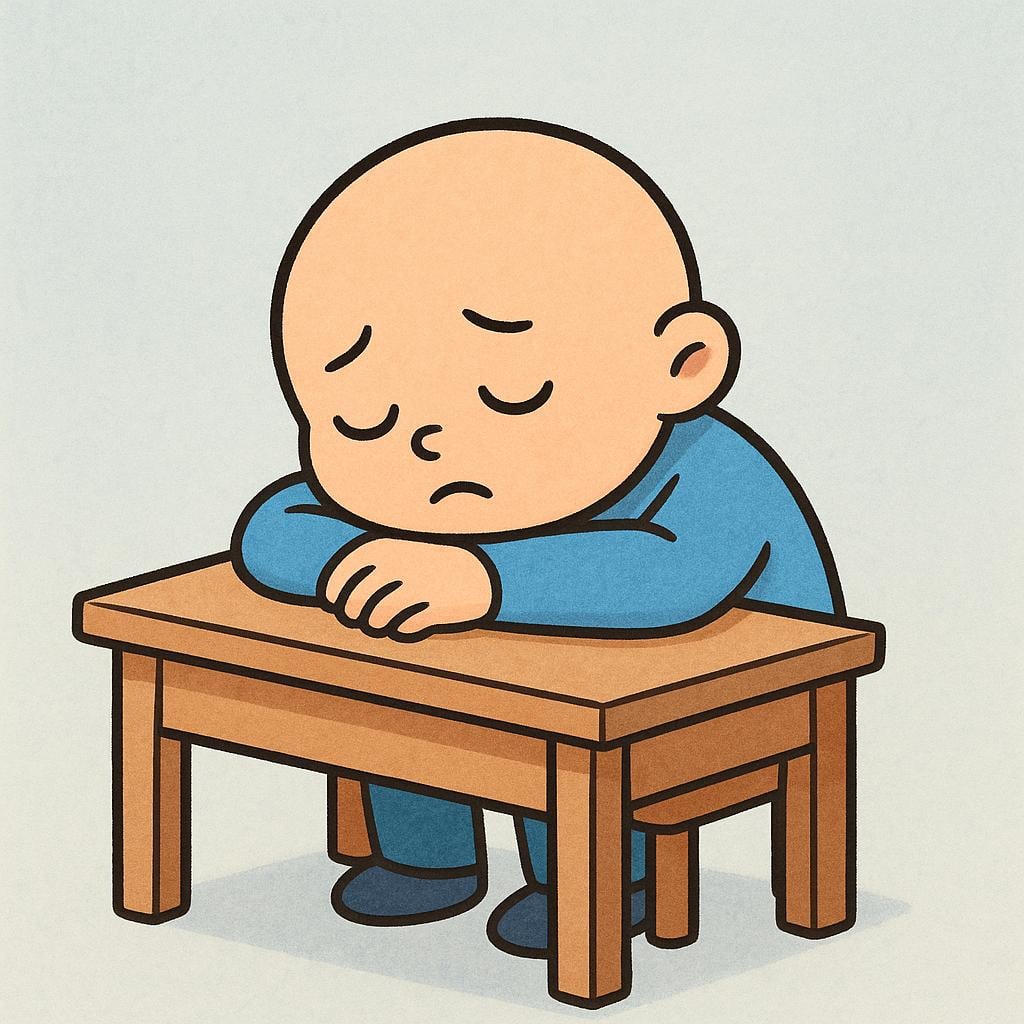
📝 In Action
Después de tres meses sin descanso, estoy completamente quemado.
B2After three months without rest, I am completely burnt out.
Ella está quemada de estudiar la misma materia.
C1She is fed up with studying the same subject.
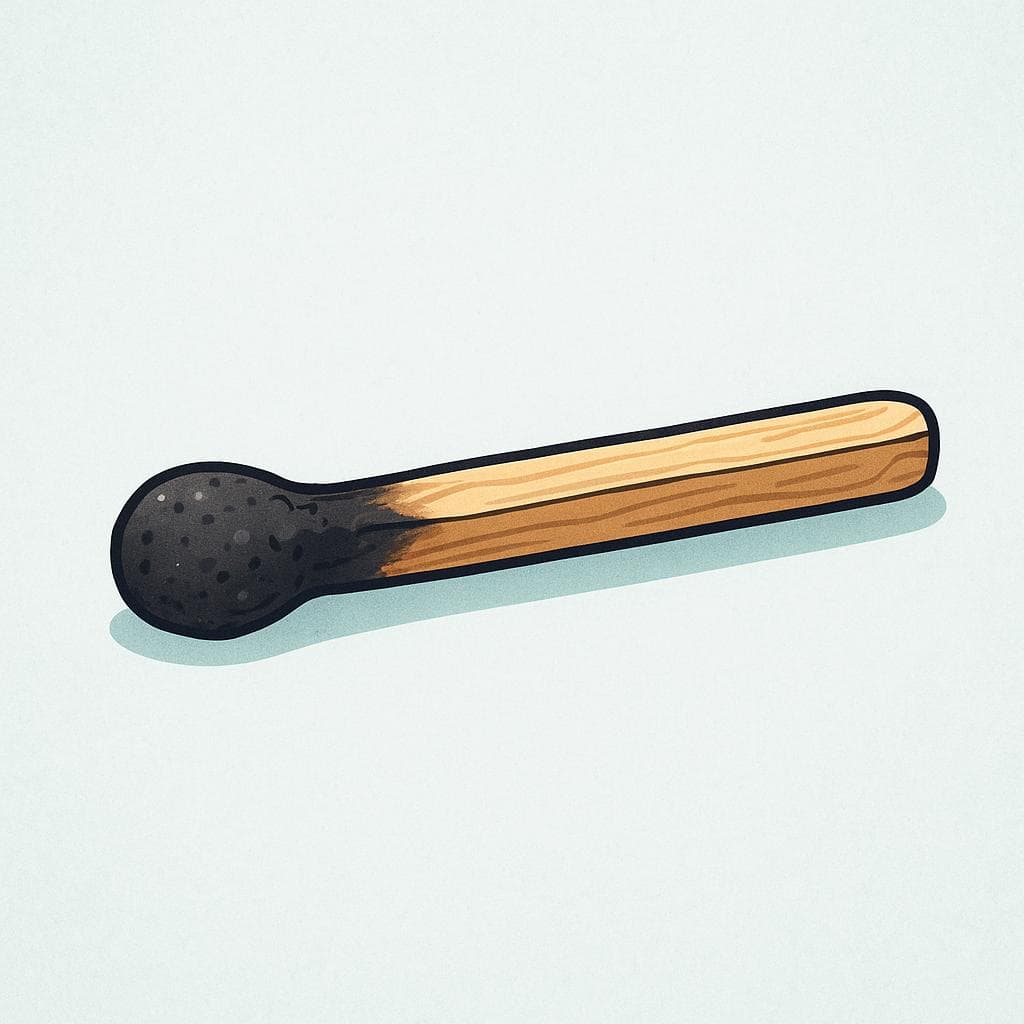
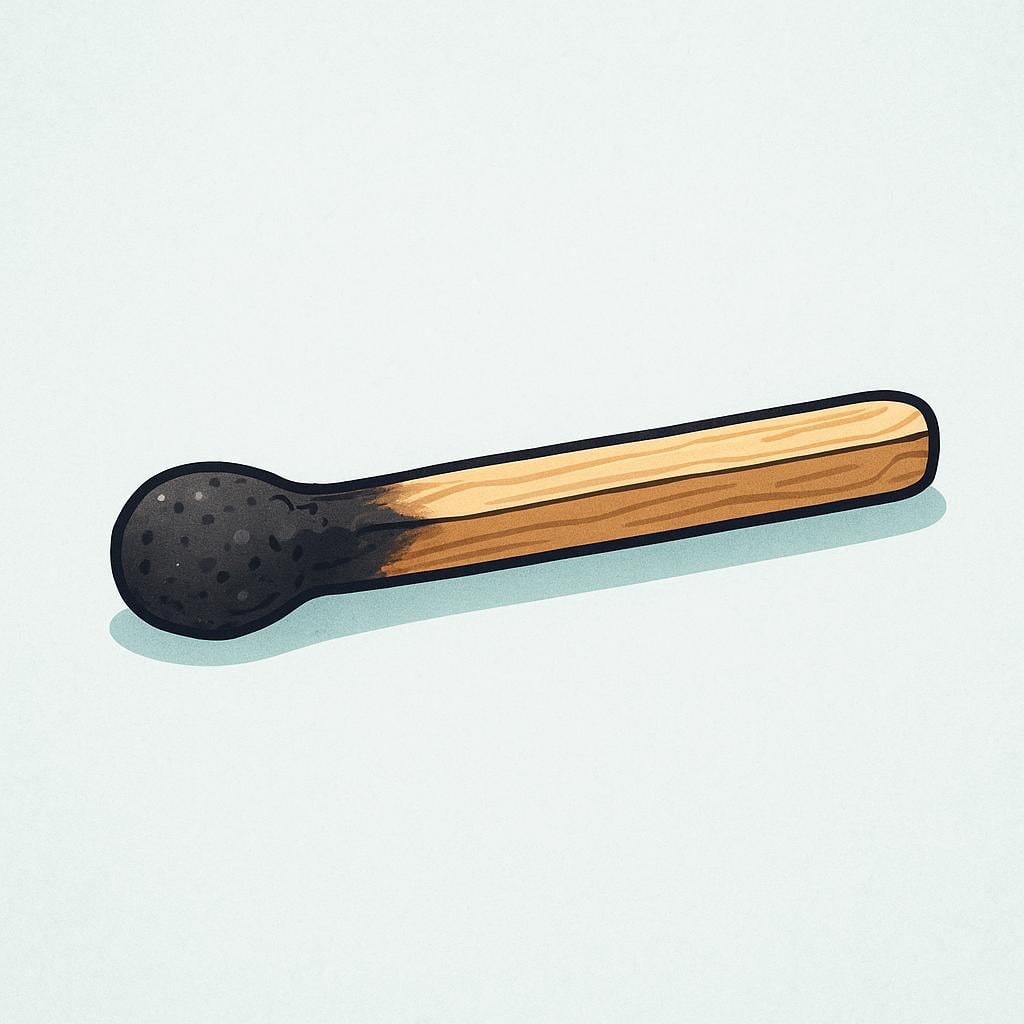
burned, set on fire
📝 In Action
Hemos quemado toda la basura vieja.
A2We have burned all the old trash.
Ella ya había quemado esa etapa de su vida.
B1She had already burned that stage of her life (figurative: finished it).
sucker, loser
Also: gullible person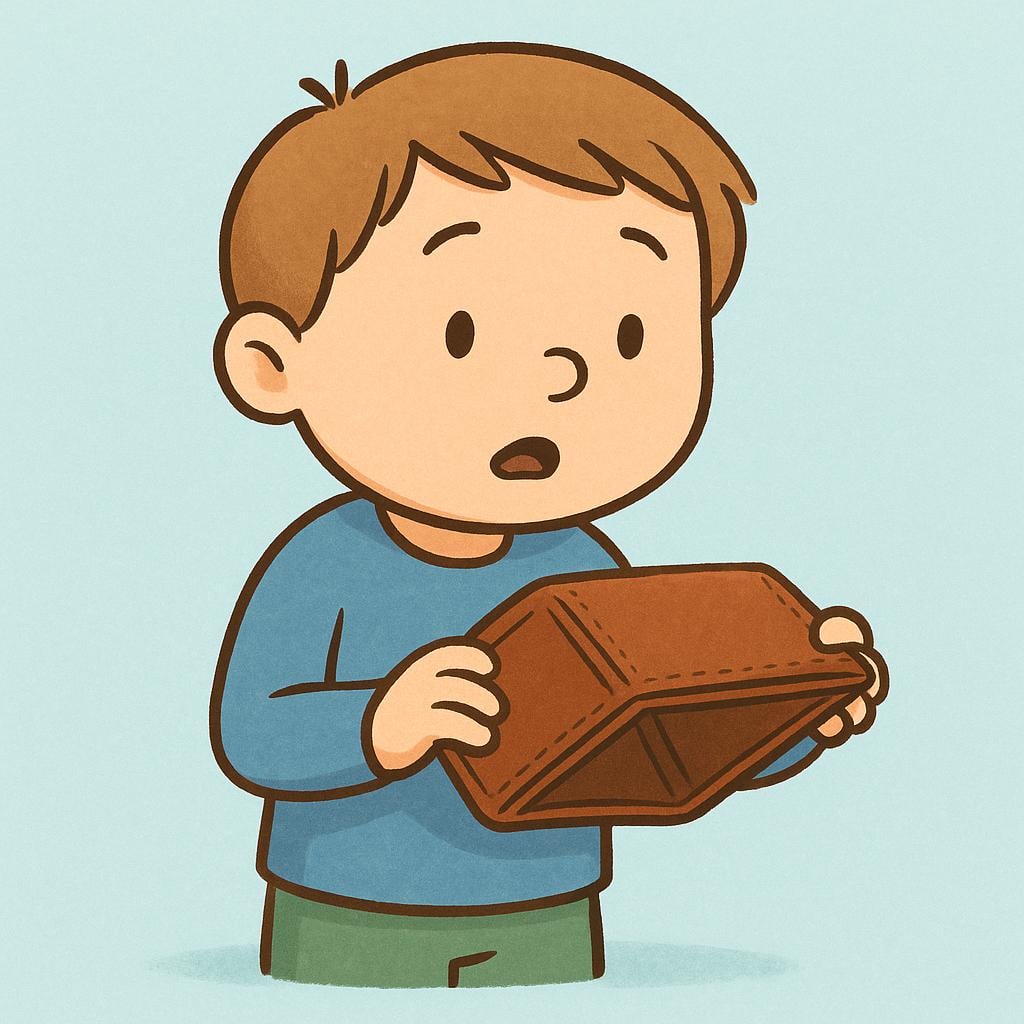
📝 In Action
Lo invitaron a la fiesta y no fue; ¡qué quemado!
C1They invited him to the party and he didn't go; what a loser!
Me vendieron un coche dañado, fui un quemado.
C2They sold me a damaged car, I was a sucker.
Translate to Spanish
Words that translate to "quemado" in Spanish:
burned→burnt→burnt out→done for→fed up→gullible person→loser→overcooked→✏️ Quick Practice
Quick Quiz: quemado
Question 1 of 2
Which sentence uses 'quemado' to mean 'mentally exhausted'?
📚 More Resources
📚 Etymology▼
Comes directly from the Spanish verb 'quemar' (to burn), which itself traces back to the Latin word 'cremare' (to burn or consume by fire). All the modern meanings relate back to this core idea of being consumed or damaged.
First recorded: 13th century (as part of the verb 'quemar')
Cognates (Related words)
💡 Master Spanish
Take your Spanish to the next level. Read 200+ illustrated and narrated Spanish stories tailored to your level with the Inklingo app!
Frequently Asked Questions
What is the difference between 'quemado' and 'ardiendo'?
'Quemado' describes a permanent state (it IS burnt), or a person's exhaustion (they ARE burnt out). 'Ardiendo' means 'burning' or 'on fire' right now. 'La madera está ardiendo' (The wood is currently burning), but 'La madera está quemada' (The wood has been burned).
Can I use 'quemado' to describe a CD or DVD that doesn't work?
Yes, in many Spanish-speaking countries, 'quemar' also means 'to burn' a CD/DVD (to record data onto it). If the disc is unusable, you might hear 'El disco está quemado' (The disc is ruined/burnt).