queriendo
“queriendo” means “wanting” in Spanish (as part of a continuous action).
wanting, loving
Also: intending, wishing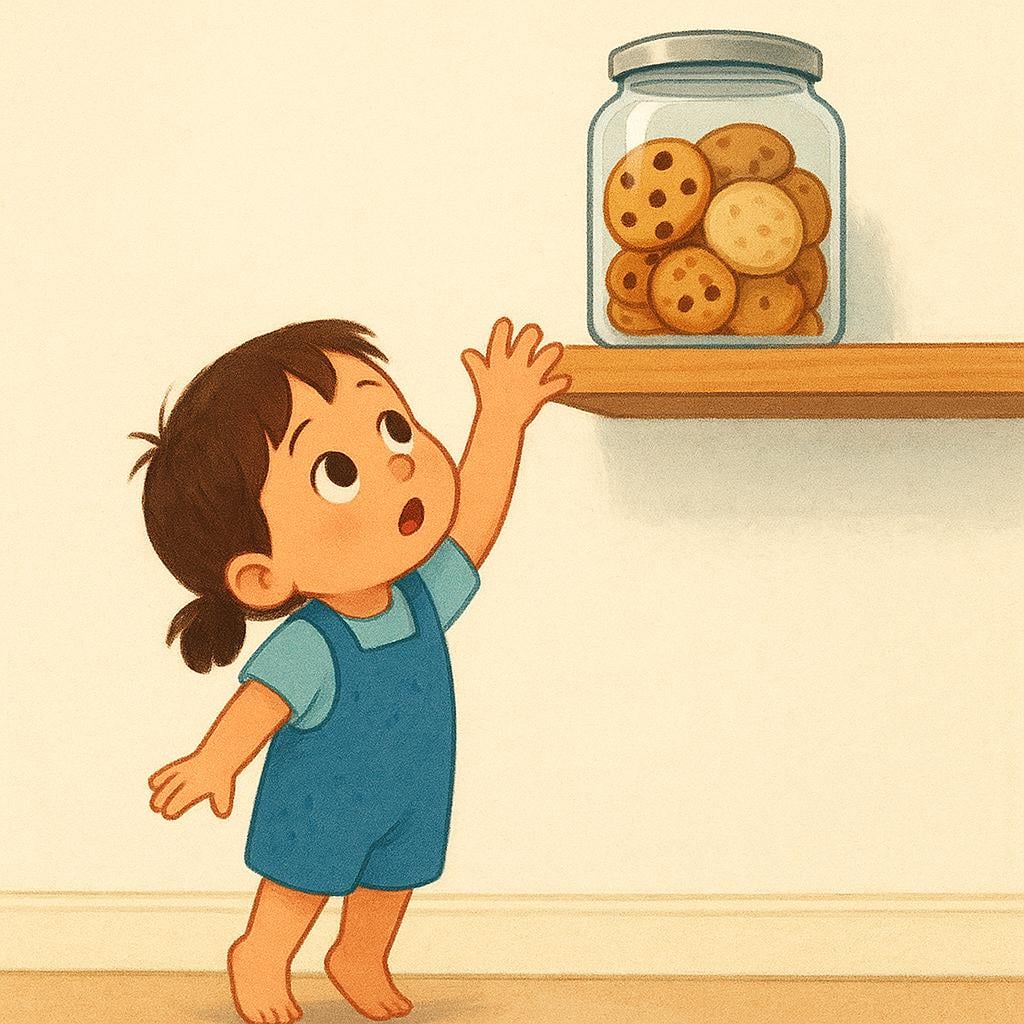
📝 In Action
Estuve queriendo llamarte todo el día.
A2I was wanting (or trying) to call you all day.
Ella se fue de la fiesta, queriendo evitar a su exnovio.
B1She left the party, wanting to avoid her ex-boyfriend.
Los niños están queriendo un helado después de la cena.
A1The children are wanting an ice cream after dinner.
Indicative
Present
Preterite
Imperfect
Subjunctive
Present Subjunctive
Imperfect Subjunctive
Translate to Spanish
✏️ Quick Practice
Quick Quiz: queriendo
Question 1 of 1
Which sentence correctly uses 'queriendo' to describe a simultaneous action?
📚 More Resources
👥 Word Family▼
🎵 Rhymes▼
📚 Etymology▼
From the Latin verb *quaerere*, meaning 'to seek, to look for, or to ask for.' Its meaning evolved in Spanish to focus on desire and affection.
First recorded: Around the 10th century (as part of the verb *querer*)
Cognates (Related words)
💡 Master Spanish
Take your Spanish to the next level. Read 200+ illustrated and narrated Spanish stories tailored to your level with the Inklingo app!
Frequently Asked Questions
When should I use 'queriendo' instead of the simple present 'quiero'?
Use 'queriendo' (usually with 'estar') when you want to emphasize that the desire or attempt is ongoing over a period of time, or when you are describing a motive for another action. For simple, immediate wants ('I want coffee'), stick to 'quiero'.