quitaron
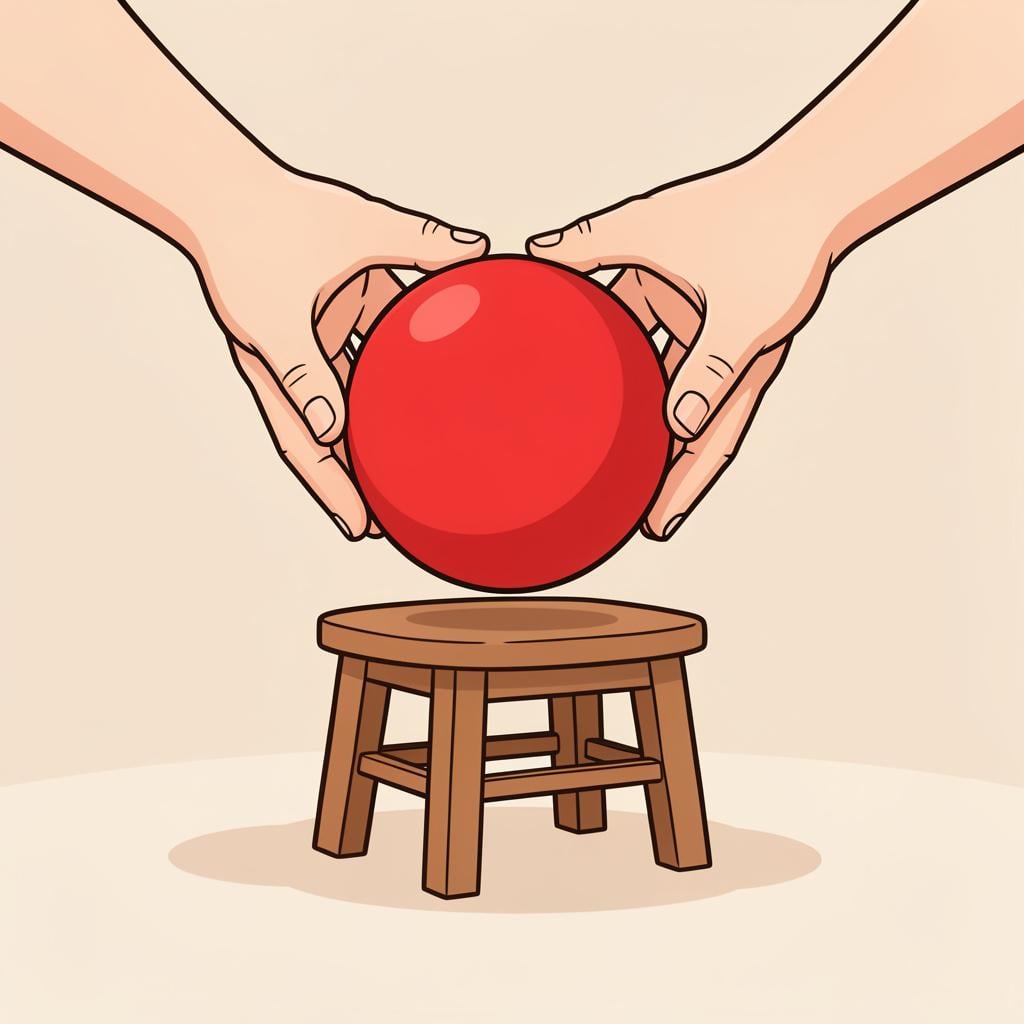
“quitaron” means “they took away” in Spanish (removing an object from a location).
they took away, you all took awayAlso: they removed, they robbed
📝 In Action
Ellos quitaron los platos de la mesa después de cenar.
A1They took the dishes off the table after dinner.
Ustedes me quitaron un gran peso de encima.
B1You all took a great weight off my shoulders.
Le quitaron el teléfono en el metro.
B1They took (robbed) his phone on the subway.
Word Connections
Subjunctive
Imperfect Subjunctive
Present Subjunctive
Indicative
Preterite
Imperfect
Present
Translate to Spanish
Words that translate to "quitaron" in Spanish:
✏️ Quick Practice
Quick Quiz: quitaron
Question 1 of 1
What does 'Ellos me quitaron el libro' mean?
📚 More Resources
👥 Word Family
📚 Etymology
From the Latin word 'quittare,' which meant to set free or release someone from a debt or obligation.
First recorded: 12th century
Cognates (Related words)
💡 Master Spanish
Take your Spanish to the next level. Read 200+ illustrated and narrated Spanish stories tailored to your level with the Inklingo app!
Frequently Asked Questions
Does 'quitaron' always mean stealing?
No! It usually just means 'removed' or 'took away' (like taking plates off a table). It only implies stealing if the context makes it clear, like taking a wallet.
How do I say 'I took away'?
You change the ending to 'é'. So, 'quité'.