residencia
“residencia” means “residence” in Spanish. It has 3 different meanings depending on context:

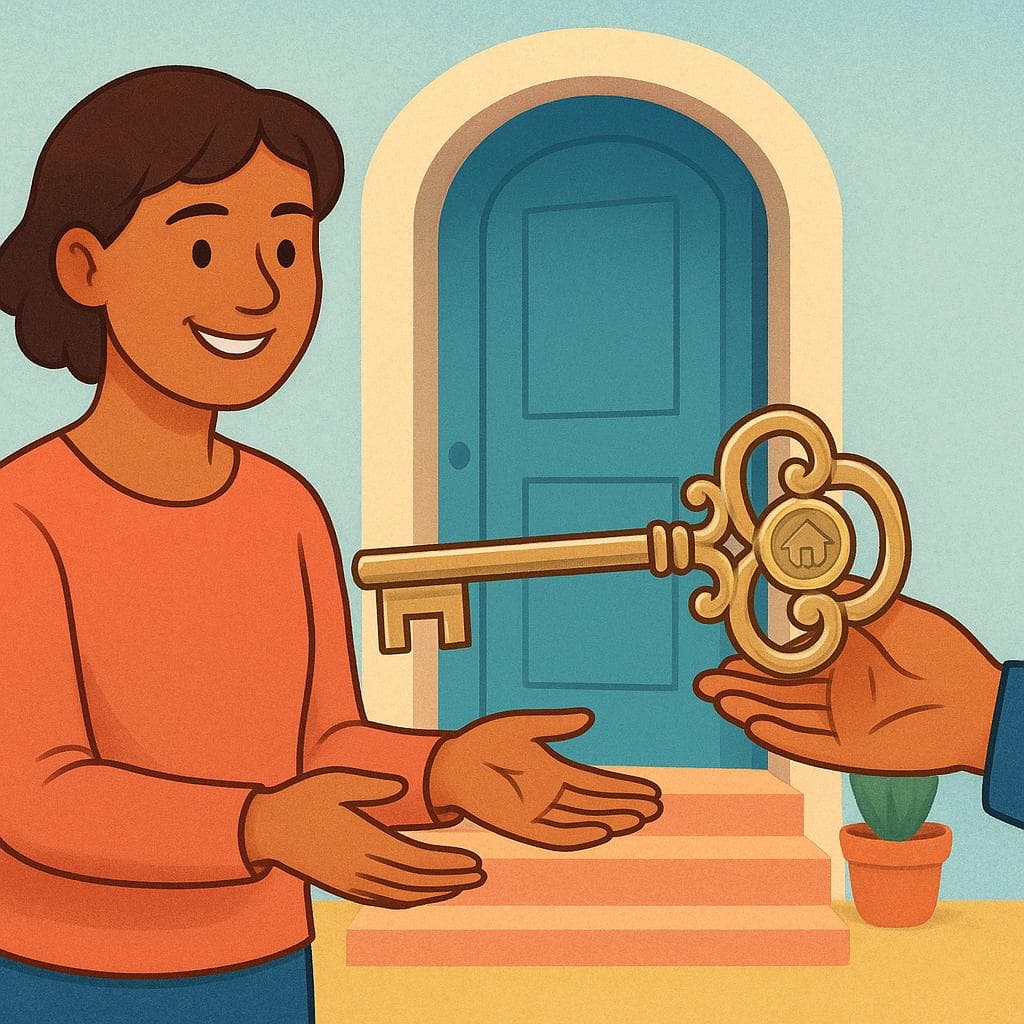
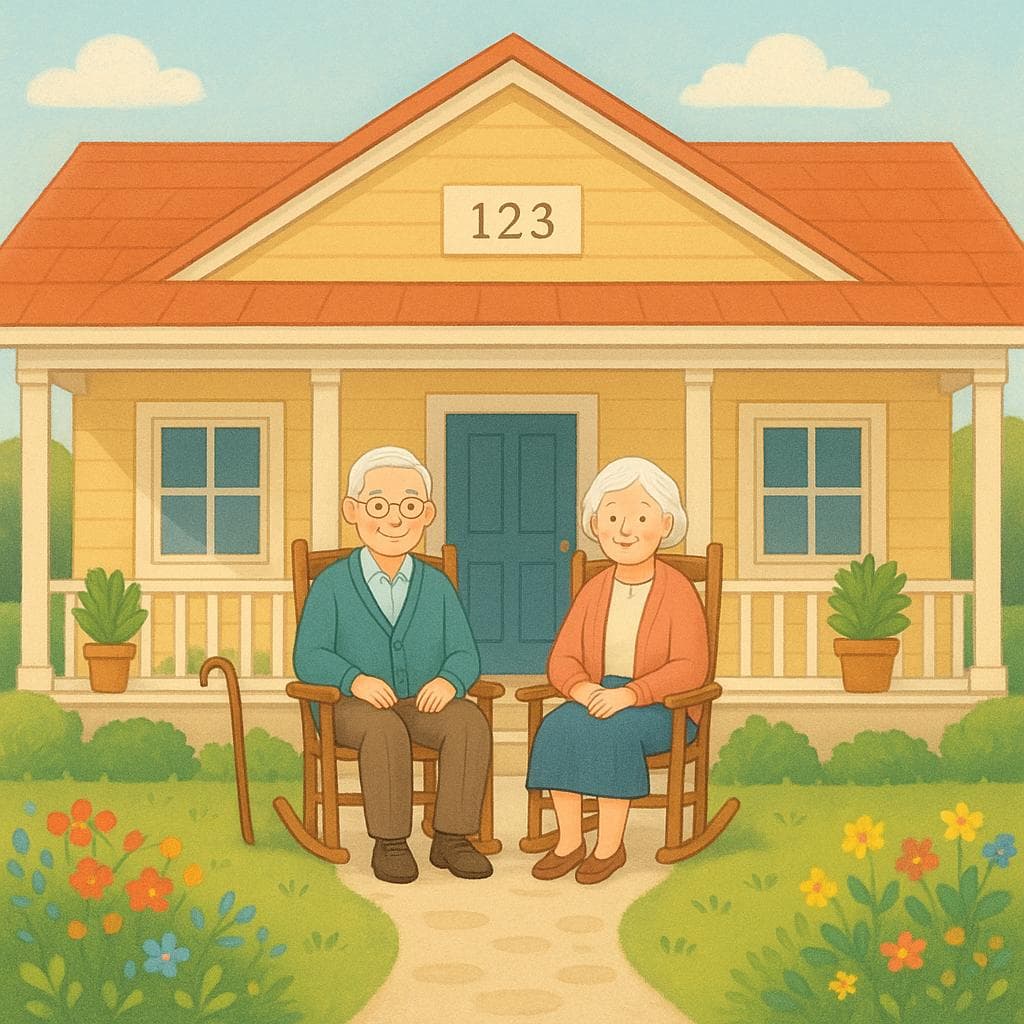
residence, home
Also: house
📝 In Action
Su residencia principal está en la capital.
A2Their main residence is in the capital.
Necesitamos la dirección de su residencia para enviarle el paquete.
A2We need the address of your residence to send you the package.
El presidente se mudó a su residencia oficial.
B1The president moved to his official residence.
residency, permanent residence
Also: visa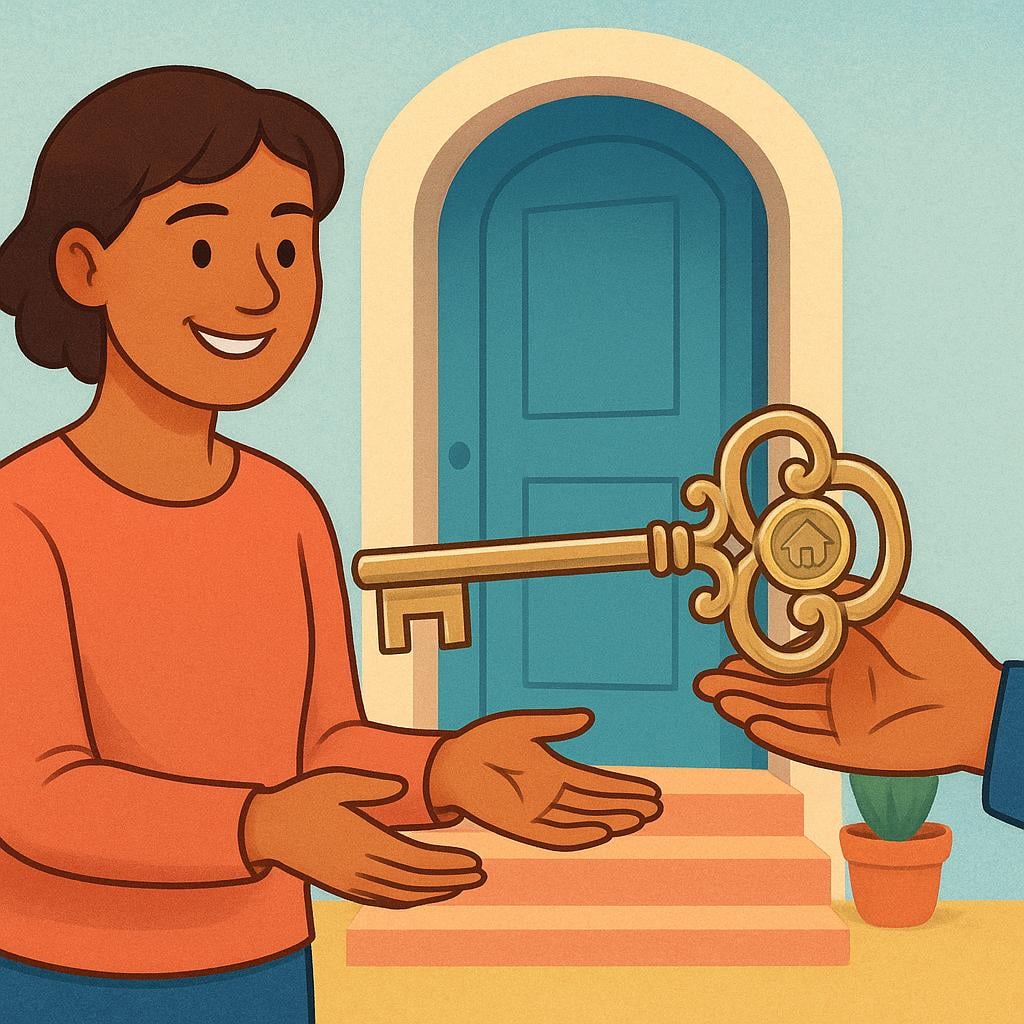
📝 In Action
Ha solicitado la residencia permanente en España.
B2He has applied for permanent residency in Spain.
Su tarjeta de residencia vence el próximo año.
B2His residence card expires next year.
Obtener la residencia fue un proceso largo y complicado.
C1Obtaining residency was a long and complicated process.
retirement home, nursing home
Also: dormitory
📝 In Action
Mi abuela vive ahora en una residencia de ancianos muy agradable.
B1My grandmother now lives in a very nice retirement home.
La residencia universitaria está cerca del campus.
B1The university dormitory is close to campus.
Trabajo como enfermera en la residencia local.
B2I work as a nurse at the local care facility.
Translate to Spanish
Words that translate to "residencia" in Spanish:
dormitory→home→house→nursing home→permanent residence→residence→residency→retirement home→✏️ Quick Practice
Quick Quiz: residencia
Question 1 of 3
¿Cuál es la mejor traducción para 'tarjeta de residencia'?
📚 More Resources
🎵 Rhymes▼
📚 Etymology▼
Comes directly from the Latin word *residentia*, meaning 'a dwelling' or 'a place of staying.' It shares roots with the verb *residir* (to reside).
First recorded: Medieval Latin period
Cognates (Related words)
💡 Master Spanish
Take your Spanish to the next level. Read 200+ illustrated and narrated Spanish stories tailored to your level with the Inklingo app!
Frequently Asked Questions
¿Es 'residencia' lo mismo que 'casa'?
They are very similar! 'Casa' is the common, everyday word for 'house' or 'home.' 'Residencia' is slightly more formal and often used for larger, official, or temporary dwellings (like student housing or legal papers).
¿Cómo se dice 'I live in a retirement home'?
The most common way is 'Vivo en una residencia de ancianos' (I live in a home for the elderly).