reyes
“reyes” means “kings” in Spanish. It has 3 different meanings depending on context:
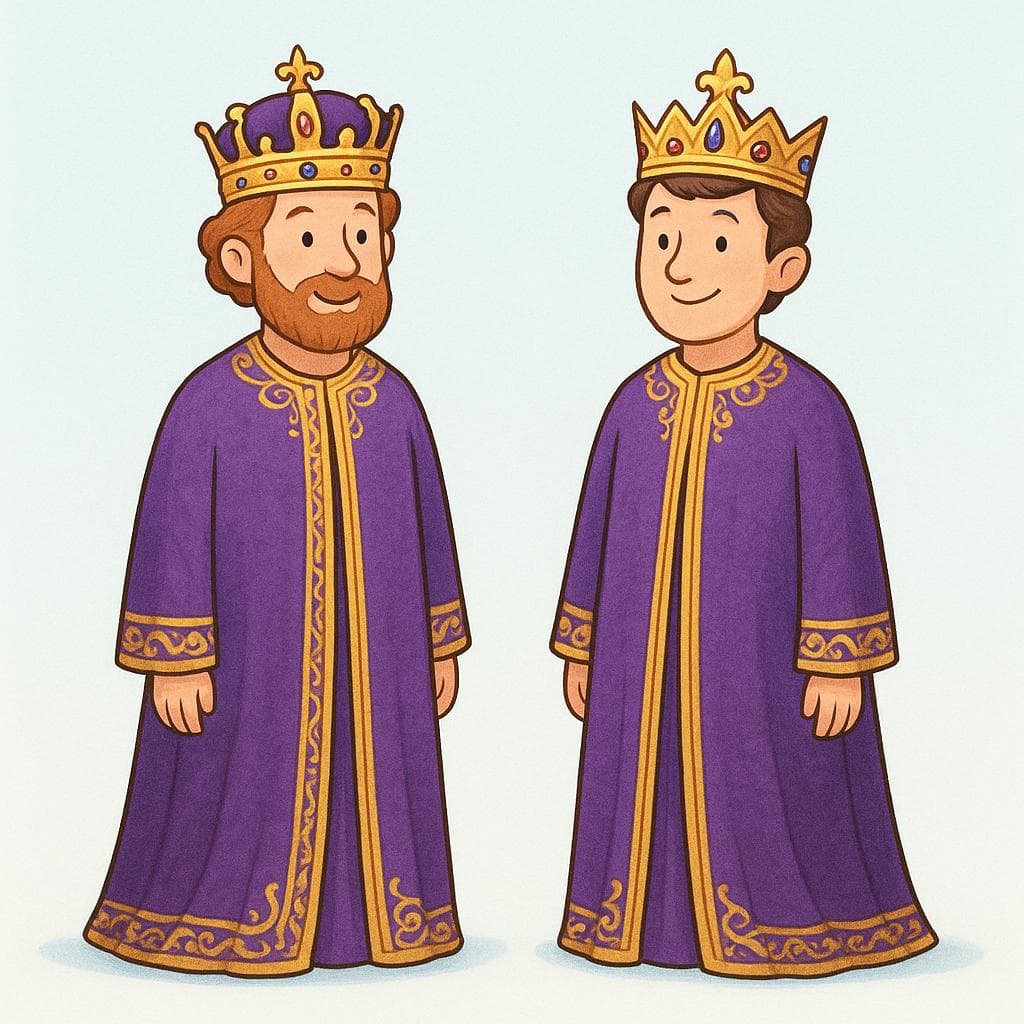
kings
Also: monarchs, sovereigns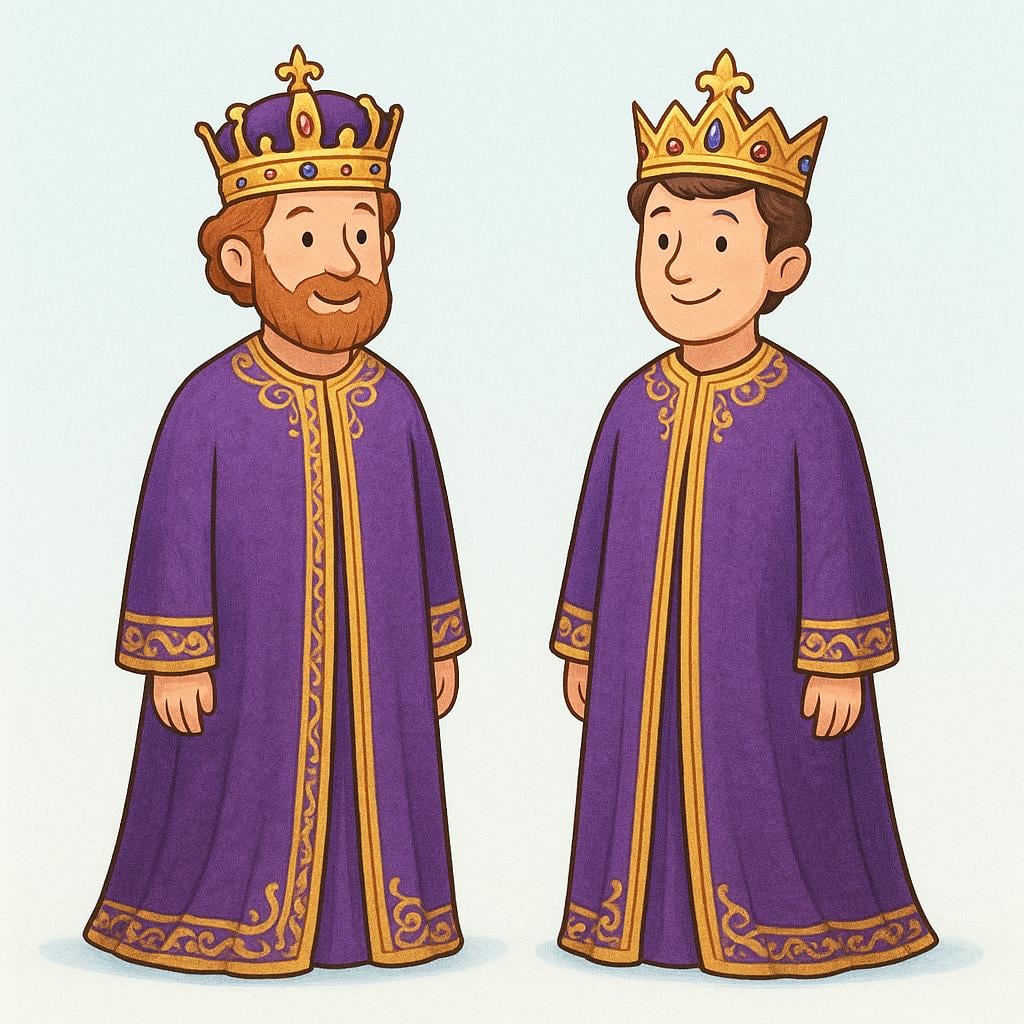
📝 In Action
Los antiguos reyes vivían en castillos grandes.
A1The ancient kings lived in large castles.
Muchos países ya no tienen reyes, sino presidentes.
A2Many countries no longer have kings, but presidents.
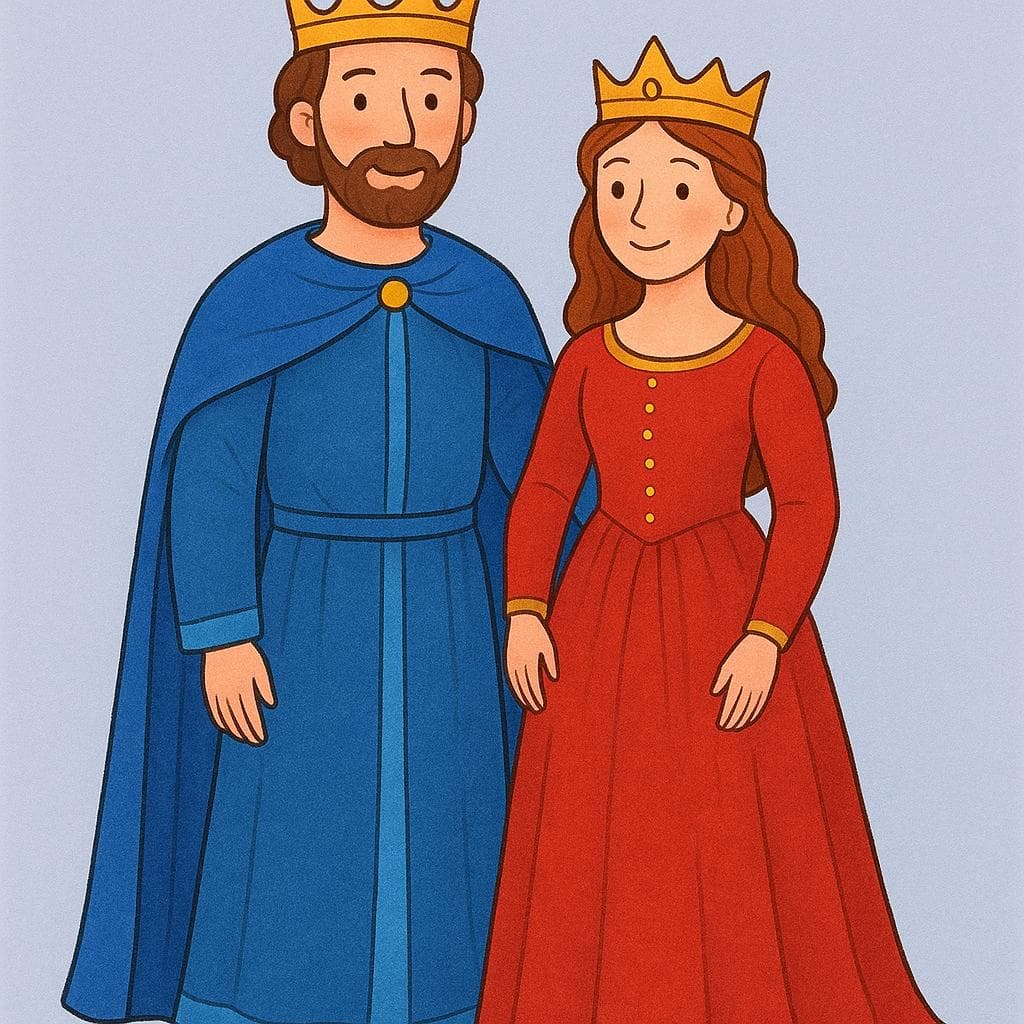
king and queen
Also: the monarchs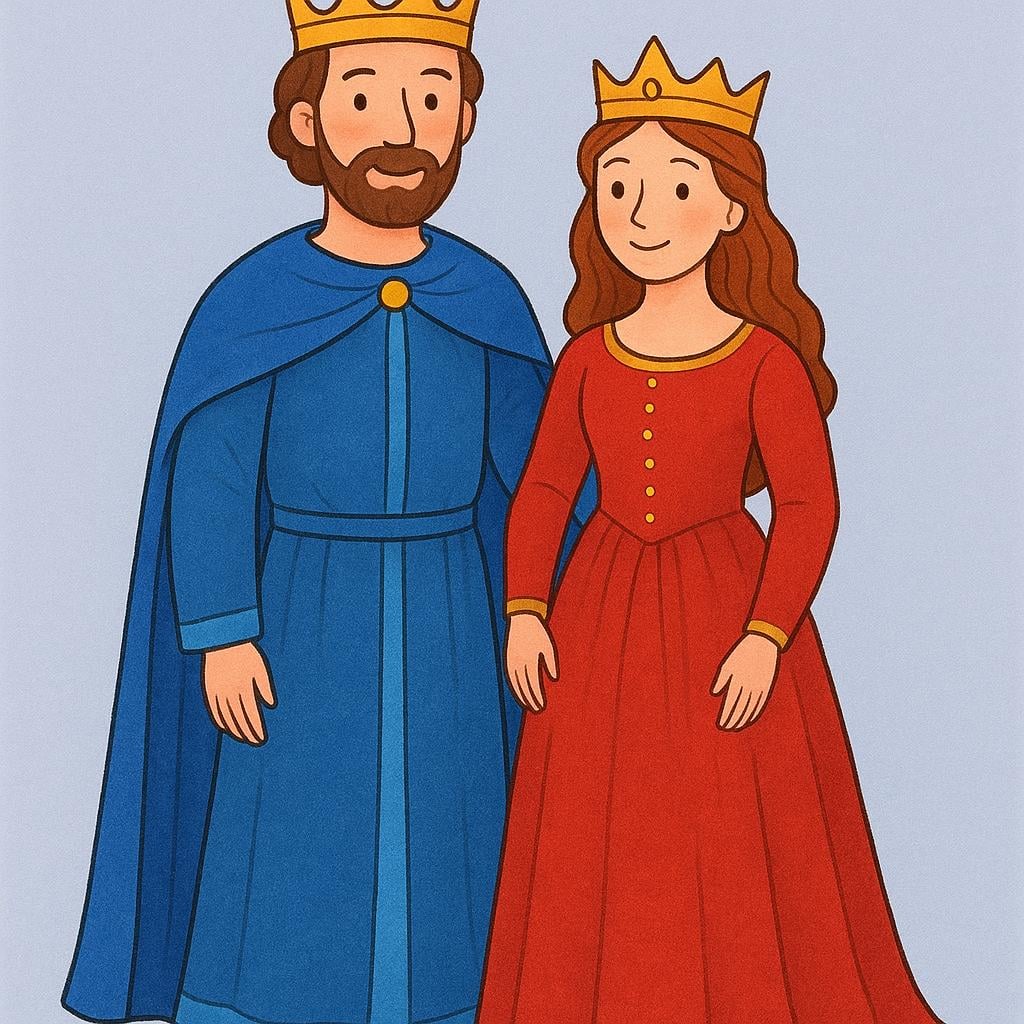
📝 In Action
Los reyes asistieron a la boda real.
A2The king and queen attended the royal wedding.
Isabel y Fernando son conocidos como Los Reyes Católicos.
B1Isabella and Ferdinand are known as The Catholic Monarchs (The Catholic King and Queen).
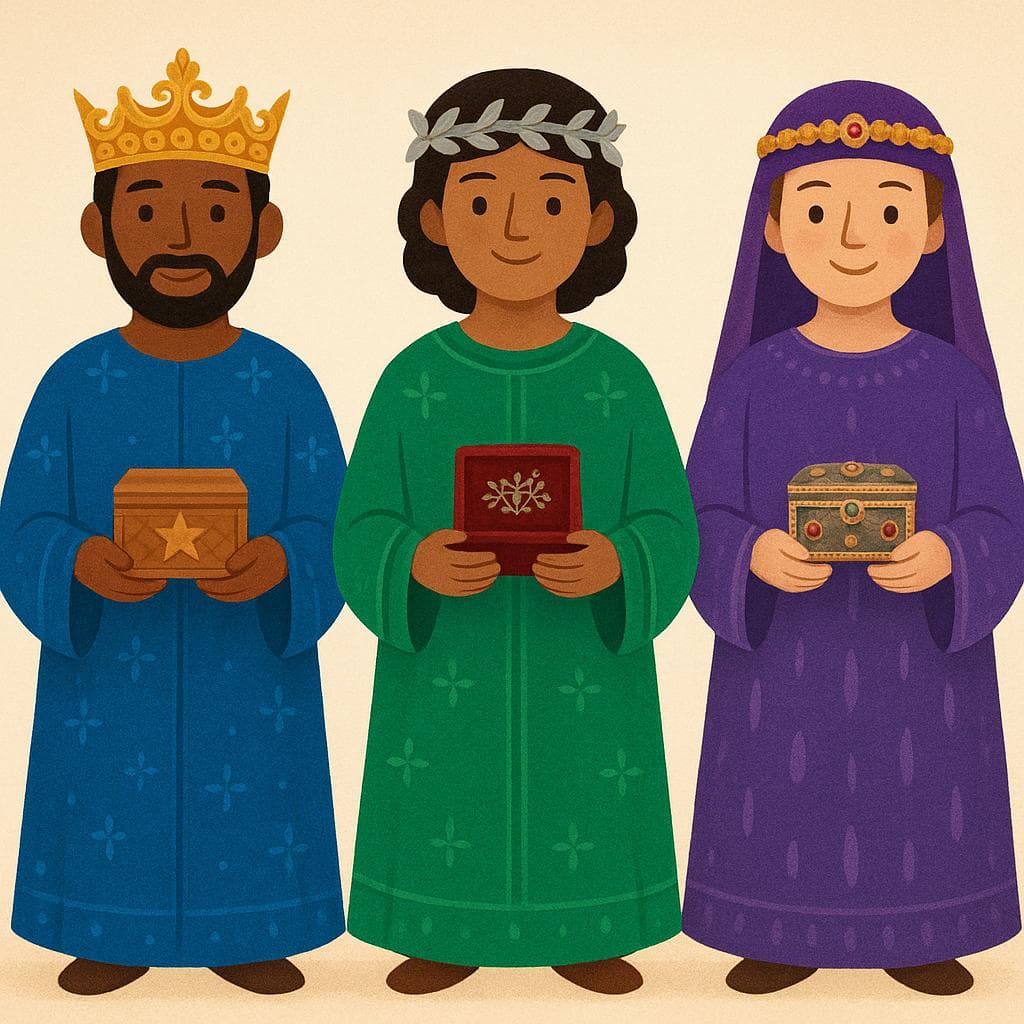
The Three Kings
Also: The Magi
📝 In Action
El 6 de enero celebramos el Día de Reyes.
A2On January 6th, we celebrate Three Kings' Day (Epiphany).
Los Reyes Magos traen regalos a los niños.
B1The Three Wise Men bring gifts to the children.
Translate to Spanish
✏️ Quick Practice
Quick Quiz: reyes
Question 1 of 2
Which sentence correctly uses 'reyes' to mean 'king and queen'?
📚 More Resources
🎵 Rhymes▼
📚 Etymology▼
The word comes from the Latin word *rex*, which meant 'ruler' or 'king.' The plural form *reges* evolved into the Spanish 'reyes.'
First recorded: Old Spanish (around the 10th-11th century)
Cognates (Related words)
💡 Master Spanish
Take your Spanish to the next level. Read 200+ illustrated and narrated Spanish stories tailored to your level with the Inklingo app!
Frequently Asked Questions
Is 'reyes' pronounced the same in all Spanish-speaking countries?
The pronunciation is generally consistent, but the 'y' sound (often written as 'll' or 'y') varies. In parts of Argentina and Uruguay, it sounds more like the 'sh' in 'ship' (REH-shes), while in most other places, it sounds like the 'y' in 'yes' or a 'j' sound.
Why does 'reyes' mean both 'kings' and 'king and queen'?
This is a feature of Spanish grammar where the masculine plural form often serves as a neutral or mixed-gender plural. If you refer to a group that includes both male and female rulers, 'los reyes' is the correct term.