robada
“robada” means “stolen” in Spanish (describing a feminine object).
stolen
Also: robbed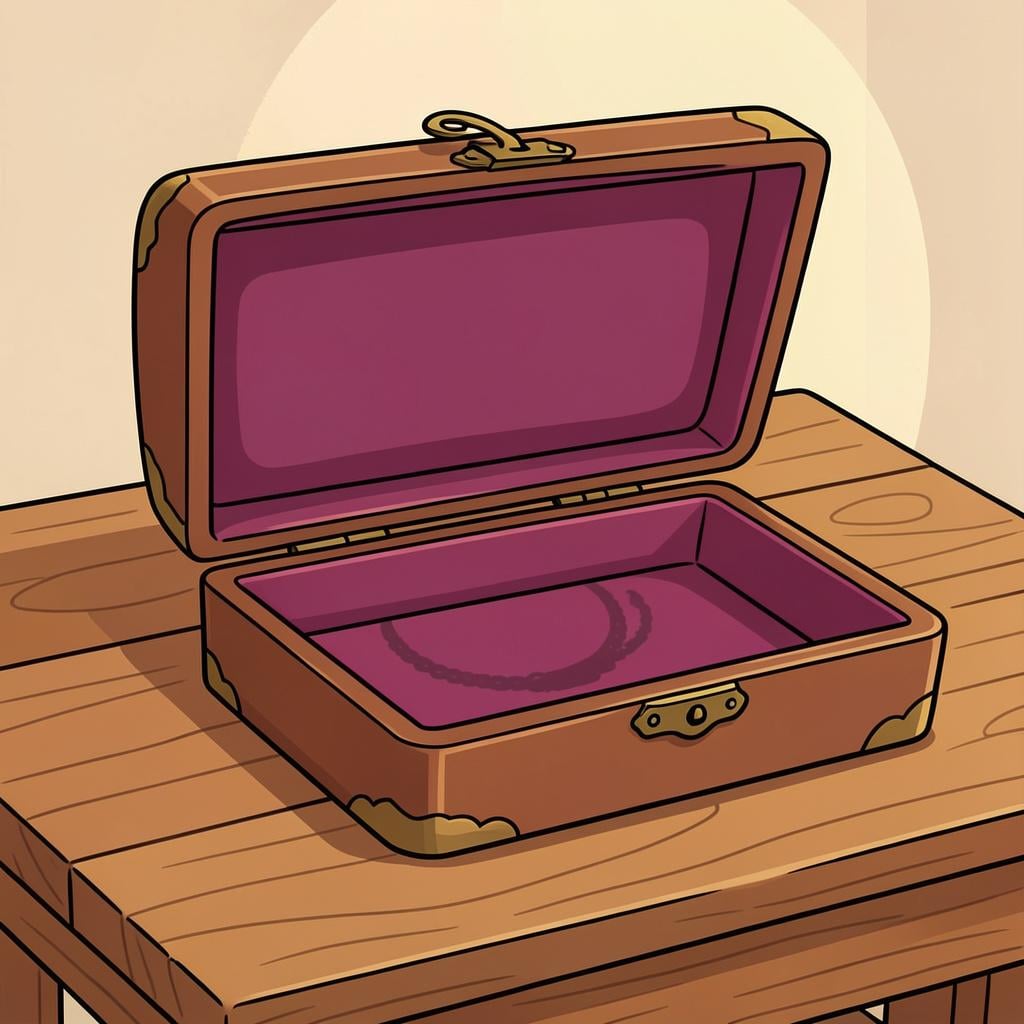
📝 In Action
La policía encontró la joya robada en una maleta.
A2The police found the stolen jewel in a suitcase.
Esa tienda fue robada tres veces el año pasado.
B1That store was robbed three times last year.
Me siento como si mi privacidad hubiera sido robada.
B2I feel as if my privacy has been stolen.
✏️ Quick Practice
Quick Quiz: robada
Question 1 of 1
Which of these things would be described as 'robada'?
📚 More Resources
👥 Word Family▼
📚 Etymology▼
Comes from the verb 'robar', which roots back to an old Germanic word meaning 'to loot' or 'to strip someone of their clothing/possessions'.
First recorded: 12th century
Cognates (Related words)
💡 Master Spanish
Take your Spanish to the next level. Read 200+ illustrated and narrated Spanish stories tailored to your level with the Inklingo app!
Frequently Asked Questions
What is the difference between 'robada' and 'hurtada'?
'Robada' usually implies a robbery where some force or intimidation might have been involved, whereas 'hurtada' (theft) is used when someone takes something quietly without you noticing.
Can I use 'robada' for a man?
No. For a man, or for masculine nouns, you must use 'robado'.