rusos
“rusos” means “Russian” in Spanish. It has 2 different meanings depending on context:


Russian

📝 In Action
Los inviernos rusos son muy fríos y largos.
A1Russian winters are very cold and long.
Me encantan los postres rusos, son deliciosos.
A2I love Russian desserts; they are delicious.
Russians
Also: Russian men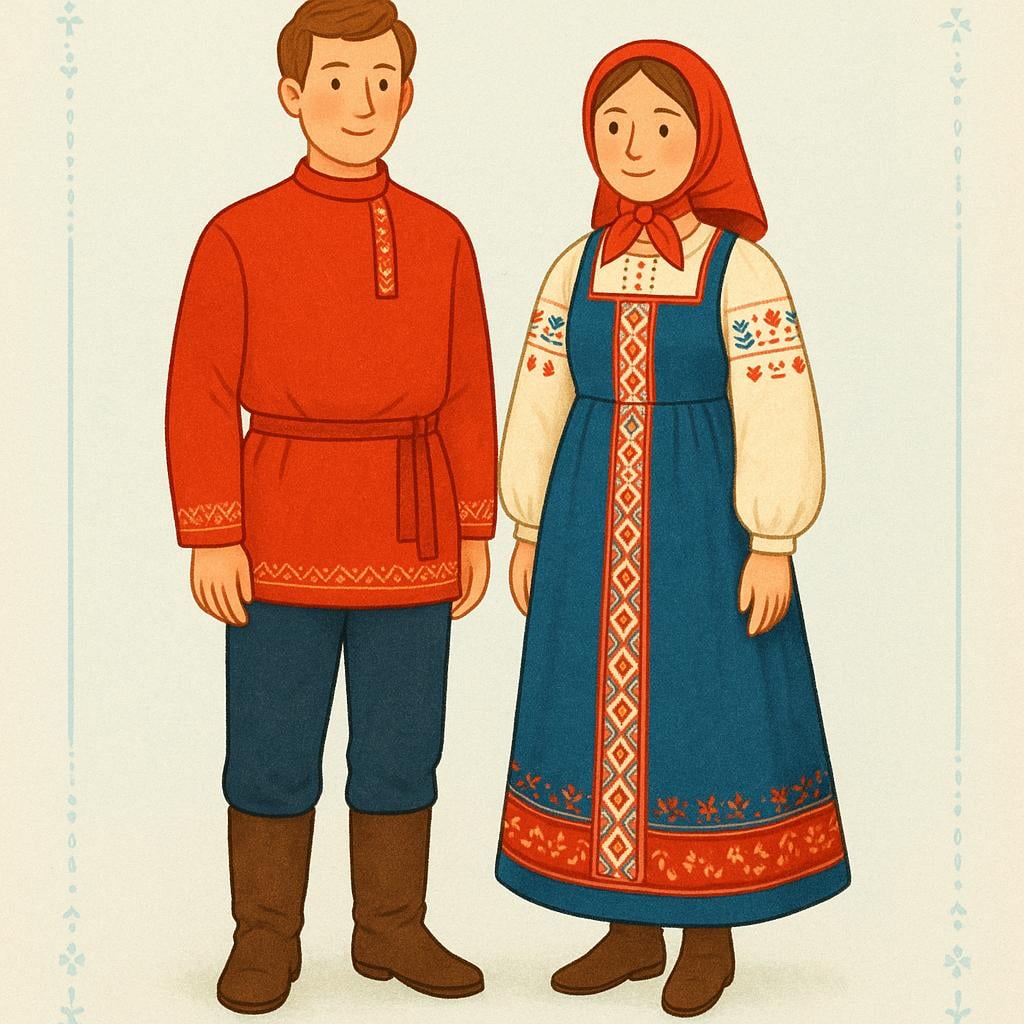
📝 In Action
Hay muchos rusos viviendo en esta ciudad.
A1There are many Russians living in this city.
Los rusos son conocidos por su amor por el ajedrez.
B1Russians are known for their love of chess.
Translate to Spanish
✏️ Quick Practice
Quick Quiz: rusos
Question 1 of 1
If you are talking about a group of three Russian women and one Russian man, which word should you use?
📚 More Resources
👥 Word Family▼
📚 Etymology▼
The word comes from the medieval Latin term 'Russi,' which was used to refer to the people of the Rus' territories (the historical region of modern Russia, Ukraine, and Belarus). The ultimate root is geographic, referring to the land itself.
First recorded: 16th century (in Spanish)
Cognates (Related words)
💡 Master Spanish
Take your Spanish to the next level. Read 200+ illustrated and narrated Spanish stories tailored to your level with the Inklingo app!
Frequently Asked Questions
Why is 'rusos' used for both the noun and the adjective?
Many words that describe people's nationalities in Spanish can be used in two ways: as an adjective to describe things ('libros rusos') or as a noun to refer to the people themselves ('los rusos'). The form stays the same, but its function changes based on where it is in the sentence.