sabia
“sabia” means “wise” in Spanish. It has 2 different meanings depending on context:

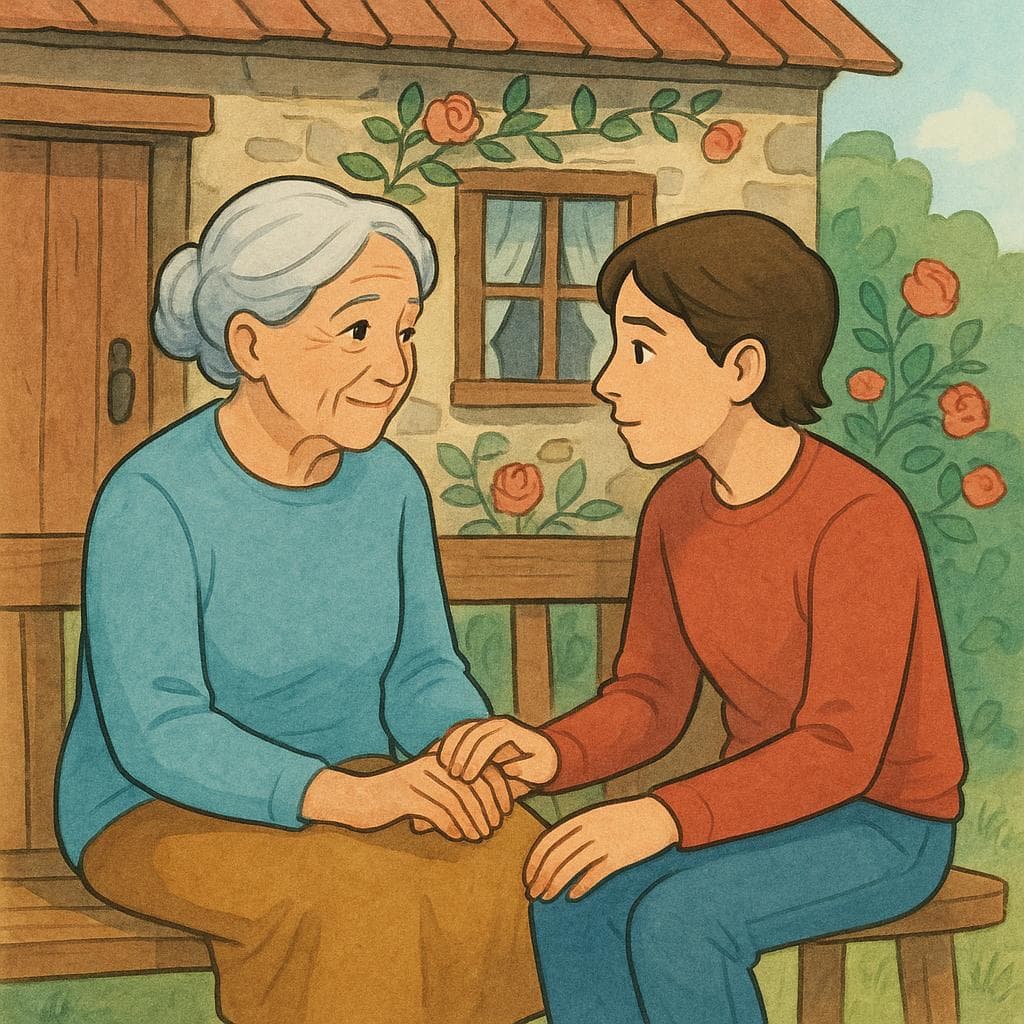
wise, knowledgeableAlso: sage

📝 In Action
Mi abuela siempre fue muy sabia y me dio el mejor consejo.
B1My grandmother was always very wise and gave me the best advice.
Tomaste una decisión sabia al ahorrar ese dinero.
B2You made a wise decision by saving that money.
La respuesta sabia es esperar y ver qué sucede.
B2The knowledgeable answer is to wait and see what happens.
Word Connections
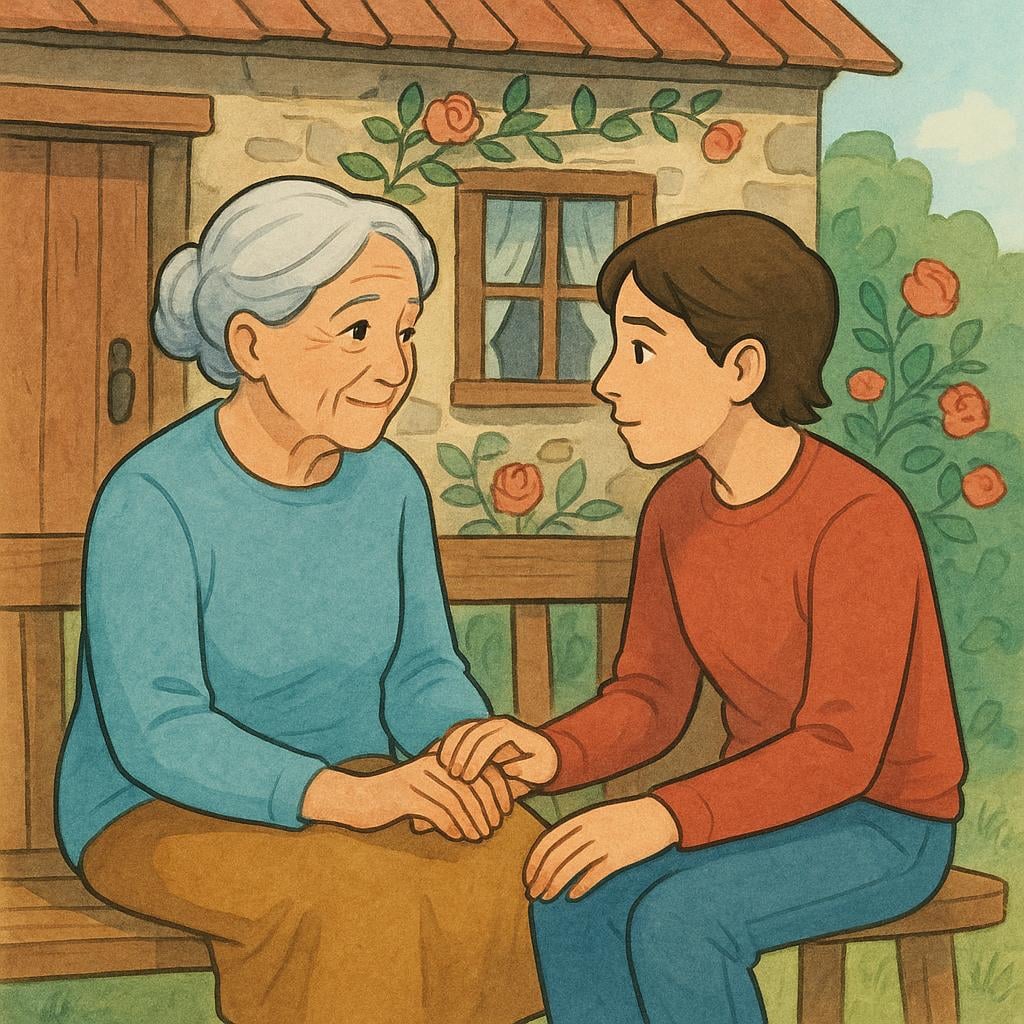
wise woman, sage
📝 In Action
Consultaron a la sabia del pueblo para resolver el conflicto.
B2They consulted the wise woman of the town to resolve the conflict.
Dicen que ella es una sabia en materia de herbolaria.
C1They say she is a sage in the subject of herbalism.
Word Connections
Translate to Spanish
Words that translate to "sabia" in Spanish:
✏️ Quick Practice
Quick Quiz: sabia
Question 1 of 1
Which of these sentences correctly uses the word 'sabia' (wise)?
📚 More Resources
👥 Word Family
📚 Etymology
The word comes directly from the Latin *sapius*, which means 'wise' or 'sensible.' It shares a root with the verb *saber* (to know), showing how knowledge and wisdom are connected.
First recorded: 13th century
Cognates (Related words)
💡 Master Spanish
Take your Spanish to the next level. Read 200+ illustrated and narrated Spanish stories tailored to your level with the Inklingo app!
Frequently Asked Questions
What is the difference between 'sabia' and 'sabía'?
The difference is the accent mark! 'Sabia' (no accent) is the feminine adjective meaning 'wise' or 'knowledgeable'. 'Sabía' (with an accent on the í) is a conjugation of the verb 'saber' (to know), meaning 'I/he/she used to know' or 'I/he/she knew' (imperfect tense).
How do I make 'sabia' masculine?
To make 'sabia' masculine, you change the ending to -o, making it 'sabio'. This is used to describe a masculine person or thing (e.g., 'un hombre sabio').