sed
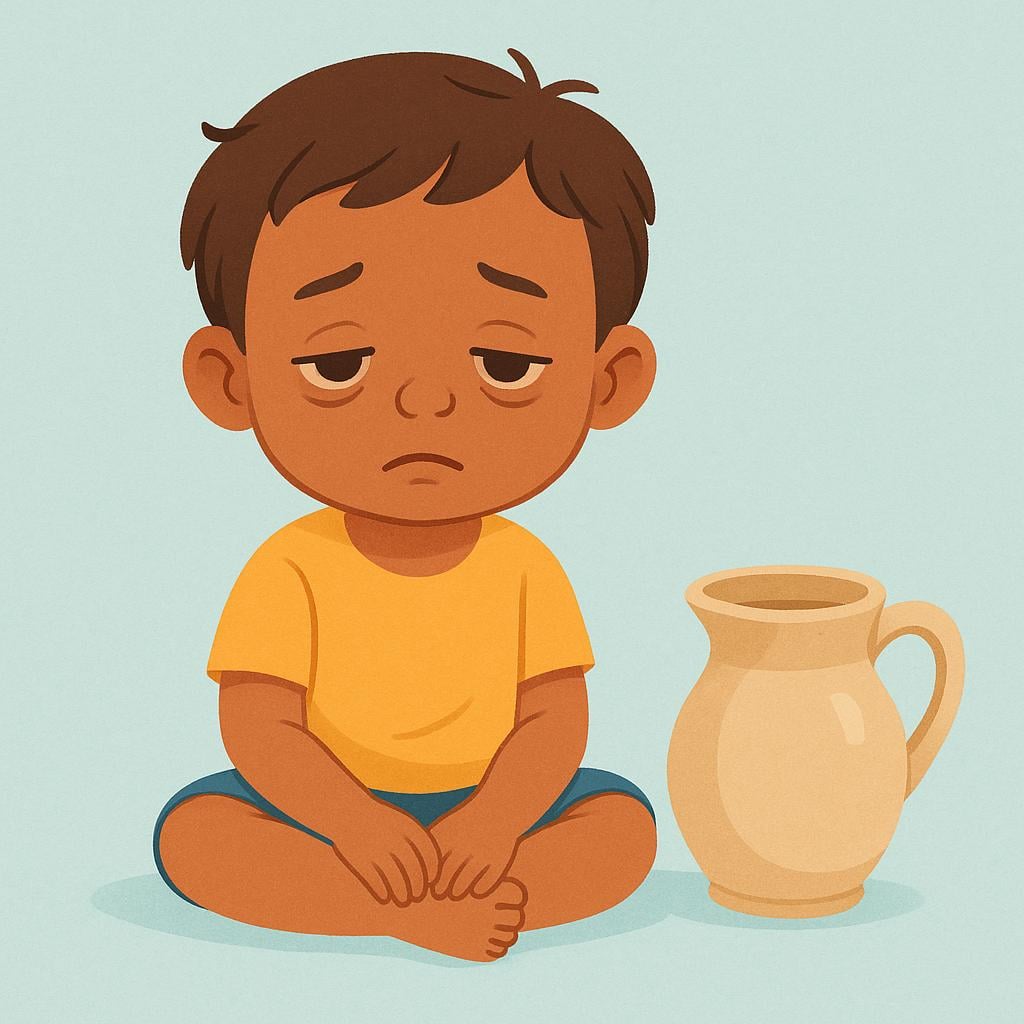
“sed” means “thirst” in Spanish. It has 2 different meanings depending on context:


thirst
📝 In Action
Tengo mucha sed después de correr.
A1I am very thirsty after running.
¿Quieres agua? Parece que tienes sed.
A1Do you want water? It looks like you are thirsty.
La sed era insoportable en el desierto.
B1The thirst was unbearable in the desert.
Word Connections
craving, yearningAlso: thirst

📝 In Action
El joven poeta tenía una sed insaciable de conocimiento.
B2The young poet had an insatiable thirst for knowledge.
La comunidad sentía una profunda sed de justicia.
C1The community felt a deep craving for justice.
Su sed de venganza lo llevó a cometer errores.
B2His thirst for revenge led him to commit mistakes.
Word Connections
✏️ Quick Practice
Quick Quiz: sed
Question 1 of 2
Which sentence correctly expresses the basic physical need for water?
📚 More Resources
👥 Word Family
📚 Etymology
The word comes directly from the Latin word *sitis*, which meant 'thirst.' It has remained remarkably similar in Spanish for centuries, keeping its core meaning and feminine gender.
First recorded: 10th century
Cognates (Related words)
💡 Master Spanish
Take your Spanish to the next level. Read 200+ illustrated and narrated Spanish stories tailored to your level with the Inklingo app!
Frequently Asked Questions
Why do I say 'Tengo sed' instead of 'Estoy sediento'?
'Sed' is a noun (thirst), and you use 'tener' (to have) with nouns to describe physical states, just like 'Tener hambre' (to be hungry). While 'sediento' is the adjective (thirsty) and you *could* say 'Estoy sediento/a', 'Tengo sed' is the standard, most natural way to express it.
Is 'sed' masculine or feminine?
'Sed' is a feminine noun. You would say 'La sed.' However, you usually only hear it with the verb 'tener' (Tengo sed), so you don't often need to worry about the article unless you are using it figuratively.