será
“será” means “will be” in Spanish. It has 3 different meanings depending on context:

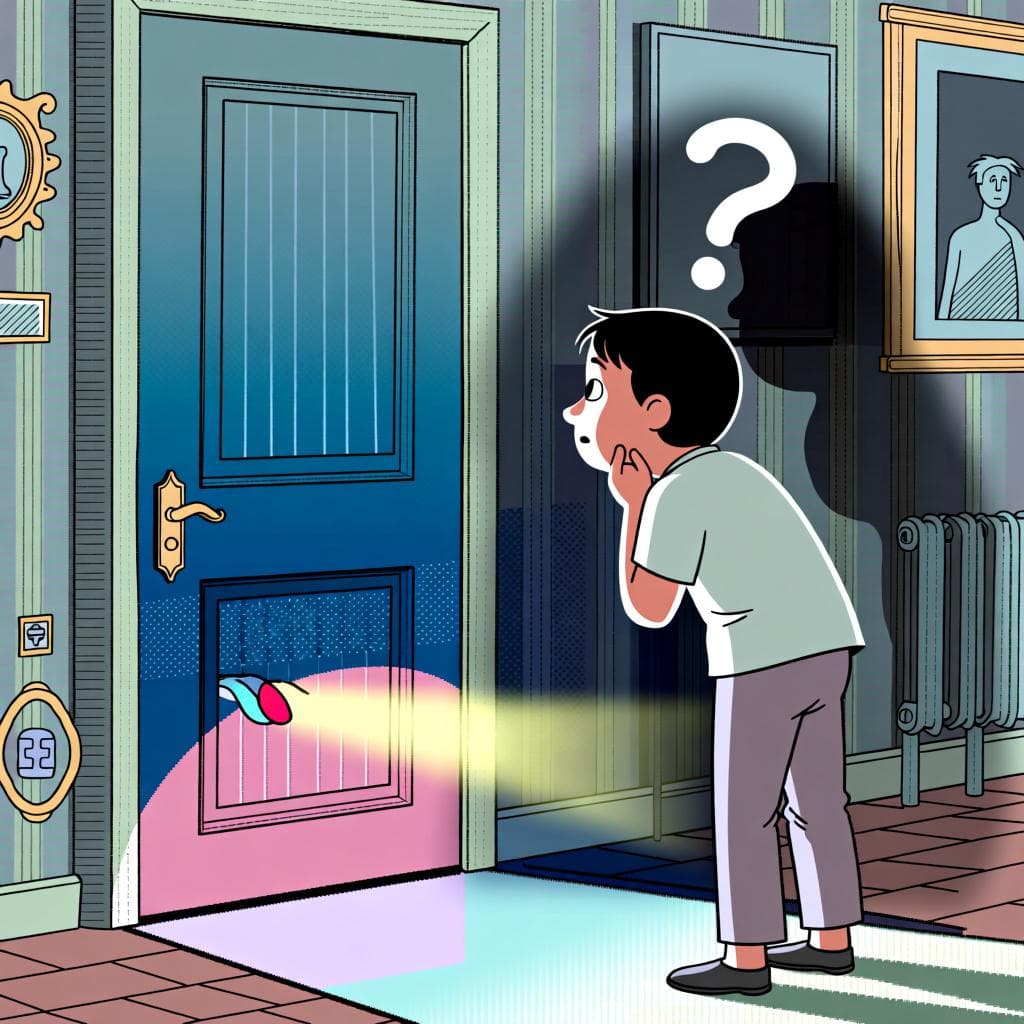
will be
Also: it will be, he/she/you will be
📝 In Action
La fiesta será el viernes.
A2The party will be on Friday.
Ella será una gran doctora.
A2She will be a great doctor.
El examen no será difícil.
B1The exam will not be difficult.
Usted será el próximo en la fila.
B1You (formal) will be the next in line.
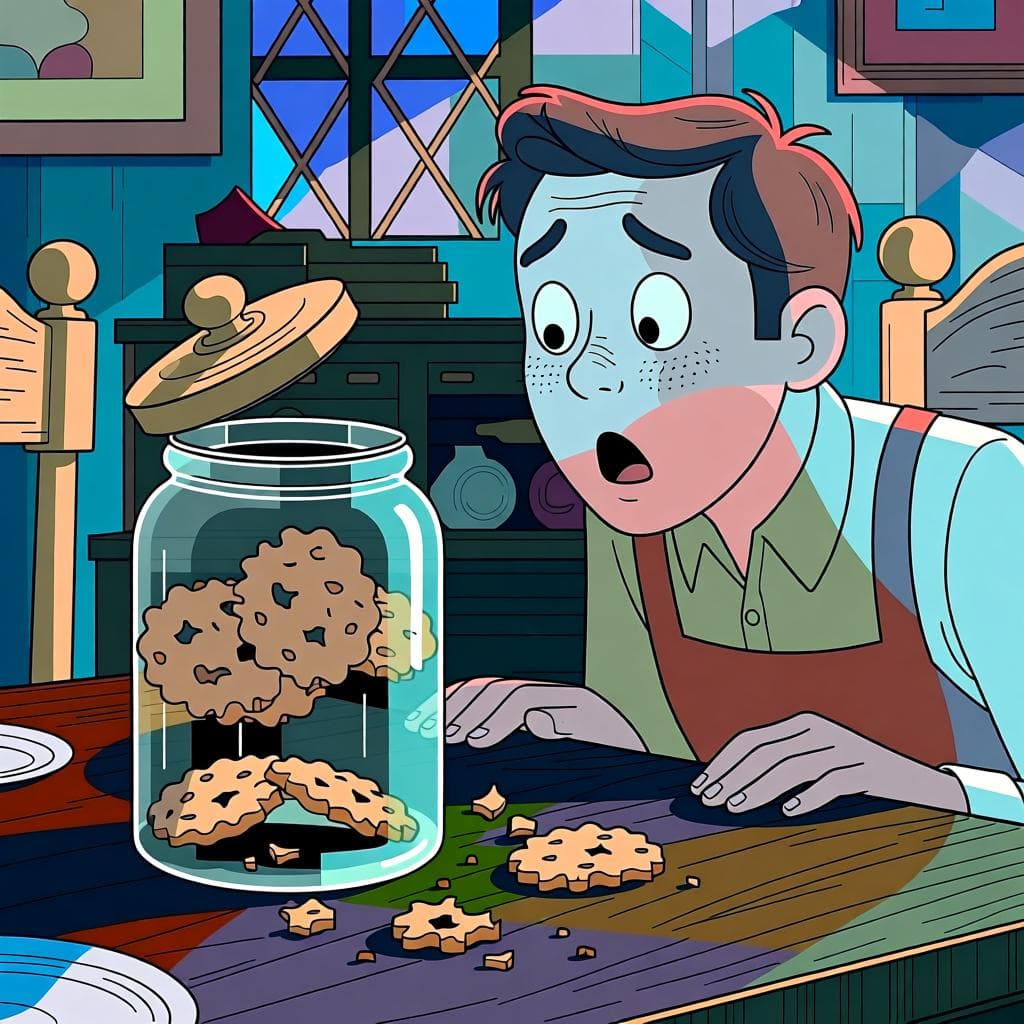
must be
Also: is probably, I wonder if it's
📝 In Action
¿Quién llama a esta hora? Será mi madre.
B1Who's calling at this hour? It must be my mother.
No sé qué hora es, pero será mediodía.
B1I don't know what time it is, but it's probably noon.
Veo una luz encendida en su casa. Será que ya llegaron.
B2I see a light on in their house. It must be that they've already arrived.
Could it be
Also: Can it be, Really?
📝 In Action
¡Ganamos la lotería! ¿Será verdad?
B2We won the lottery! Could it be true?
Me dijo que vio un fantasma. ¿Será posible?
B2He told me he saw a ghost. Is it possible?
¡Pero si te acabo de dar dinero! ¿Será que ya lo gastaste todo?
C1But I just gave you money! Could it be that you already spent it all?
Indicative
Present
Imperfect
Preterite
Subjunctive
Present Subjunctive
Imperfect Subjunctive
Translate to Spanish
Words that translate to "será" in Spanish:
must be→✏️ Quick Practice
Quick Quiz: será
Question 1 of 3
Which sentence uses 'será' to make a guess about the present?
📚 More Resources
👥 Word Family▼
🎵 Rhymes▼
📚 Etymology▼
'Será' comes from the verb 'ser', which traces back to the Latin word 'esse', meaning 'to be'. The future tense ending '-á' also has Latin roots, evolving over centuries into its modern Spanish form.
First recorded: Forms of 'ser' are among the oldest in the language, appearing in the earliest written Spanish texts around the 10th century.
Cognates (Related words)
💡 Master Spanish
Take your Spanish to the next level. Read 200+ illustrated and narrated Spanish stories tailored to your level with the Inklingo app!
Frequently Asked Questions
What's the difference between 'será' and 'va a ser'?
Both mean 'will be' and are often interchangeable. 'Será' (simple future) can sound a bit more formal or definitive. 'Va a ser' (informal future) is very common in everyday speech and can sometimes feel more immediate, like 'is going to be'.
Why use a future word like 'será' to talk about the present?
It's a special feature of Spanish! Using the future tense to talk about the present is a way to show you're not 100% sure. Think of it as adding 'probably' or 'I guess' to your sentence. 'Es Juan' means 'It is Juan.' 'Será Juan' means 'It's probably Juan.'
Is 'será' for he, she, it, or you?
It can be for all of them! It's the form for 'él' (he), 'ella' (she), 'eso' (it), and the formal 'usted' (you).