sobrina
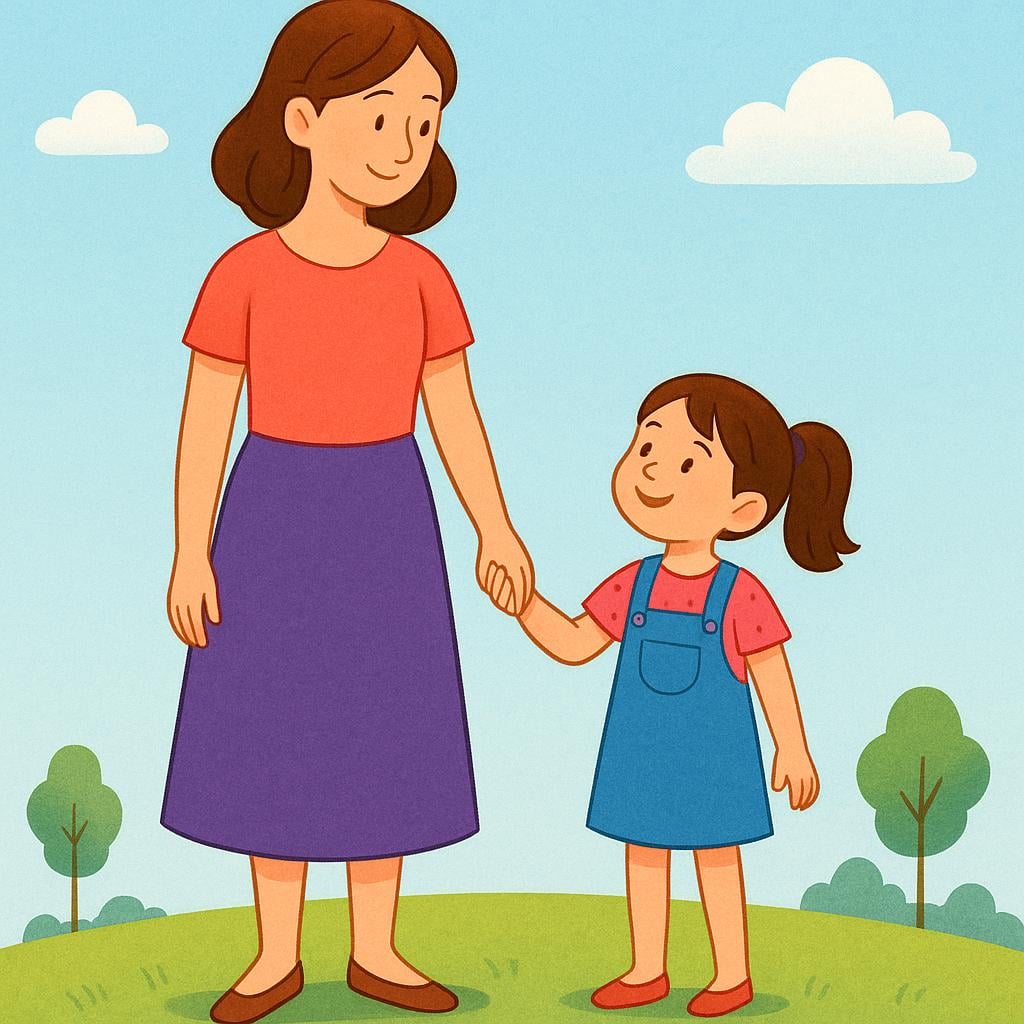
“sobrina” means “niece” in Spanish (Daughter of one's brother or sister).
niece
📝 In Action
Mi sobrina pequeña viene a pasar el verano con nosotros.
A1My little niece is coming to spend the summer with us.
¿Cuántos años tiene tu sobrina? Parece muy inteligente.
A1How old is your niece? She seems very smart.
Le compré un regalo a mi sobrina por su cumpleaños.
A2I bought a gift for my niece for her birthday.
Word Connections
Translate to Spanish
Words that translate to "sobrina" in Spanish:
✏️ Quick Practice
Quick Quiz: sobrina
Question 1 of 1
If your sister has a daughter, what do you call her in Spanish?
📚 More Resources
👥 Word Family
📚 Etymology
The word comes from the Latin *sobrina*, which originally referred to a cousin on the mother's side. Over time, its meaning shifted in Spanish to describe the daughter of a sibling (niece).
First recorded: Medieval Spanish period
Cognates (Related words)
💡 Master Spanish
Take your Spanish to the next level. Read 200+ illustrated and narrated Spanish stories tailored to your level with the Inklingo app!
Frequently Asked Questions
Is 'sobrina' the same as 'prima'?
No. 'Sobrino/sobrina' refers to the child of your brother or sister (nephew/niece). 'Primo/prima' refers to the child of your uncle or aunt (cousin). They are different generations.