solana
“solana” means “sunny spot” in Spanish. It has 2 different meanings depending on context:


sunny spotAlso: sunny side

📝 In Action
Nos sentamos en la solana para calentarnos un poco.
A2We sat in the sunny spot to warm up a bit.
Las uvas crecen mejor en la solana de la colina.
B1The grapes grow better on the sunny side of the hill.
Buscábamos una casa que estuviera en la solana para tener luz todo el día.
B2We were looking for a house on the sunny side to have light all day long.
Word Connections
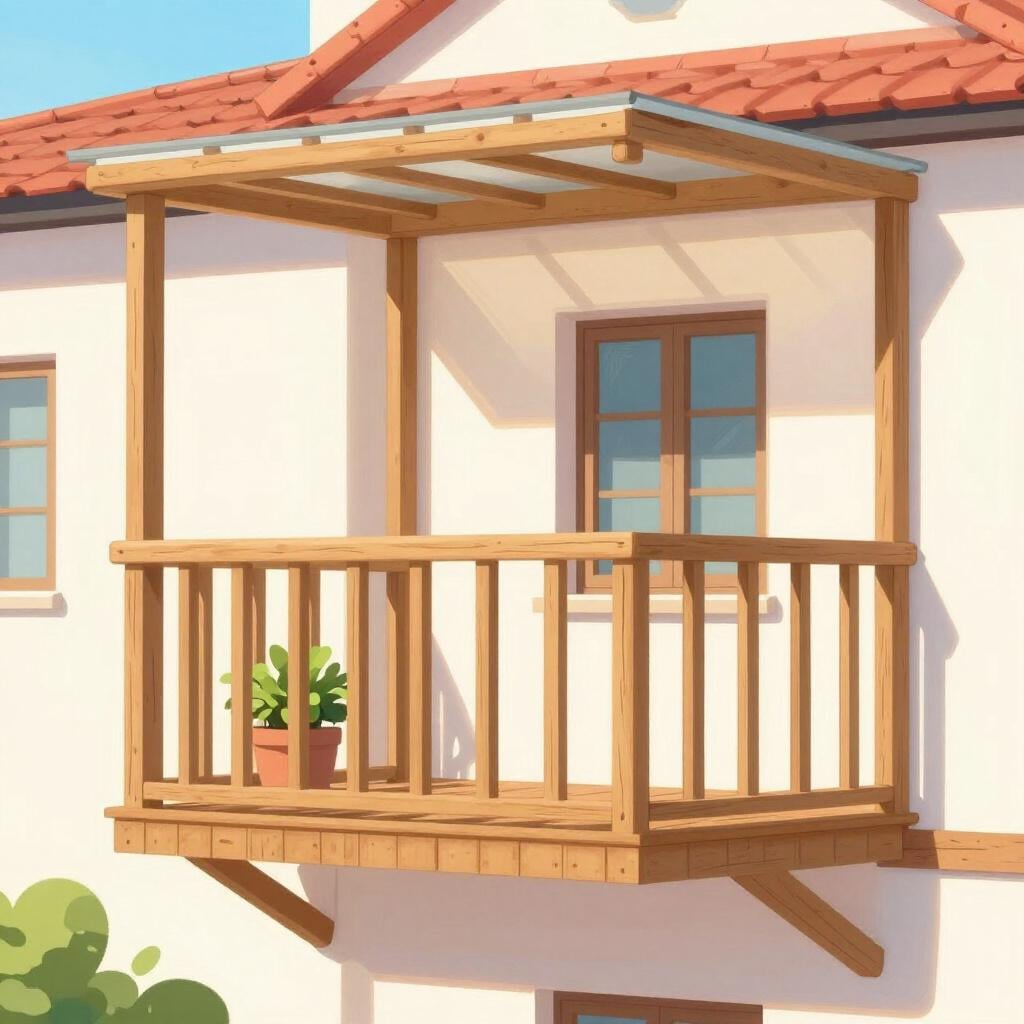
sun-galleryAlso: sunroom
📝 In Action
La casa del pueblo tiene una solana de madera preciosa.
B2The village house has a beautiful wooden sun-gallery.
Salimos a la solana a coser por la tarde.
B2We went out to the sun-porch to sew in the afternoon.
Word Connections
Translate to Spanish
Words that translate to "solana" in Spanish:
✏️ Quick Practice
Quick Quiz: solana
Question 1 of 3
If you are hiking and want to find a warm place to rest, where should you look?
📚 More Resources
👥 Word Family
📚 Etymology
Derived from the Latin 'solanus', which means 'belonging to the sun'. This comes from the root word 'sol' (sun).
First recorded: 13th century
Cognates (Related words)
💡 Master Spanish
Take your Spanish to the next level. Read 200+ illustrated and narrated Spanish stories tailored to your level with the Inklingo app!
Frequently Asked Questions
Is 'solana' the same as 'sol'?
No. 'Sol' is the sun itself. 'Solana' is a specific place or area that receives a lot of that sun.
Does it mean a sunroom in a modern house?
It can, but usually 'solana' refers to a traditional architectural gallery or a natural sunny spot outdoors. For a modern glass sunroom, people might say 'cerramiento' or 'terraza acristalada'.
Is it a common word?
It is very common in literature, geography, and rural areas, but a city dweller might use it less often than 'un sitio con sol'.